Product Description
HDPE Sun Shade Cloth for Agricultural Garden Balcony Greenhouse
| Material | PE: 100% new HDPE PE: 50% new+ 50% recycle 100% PET 100% recycle |
| Shade Cloth Netting Sails Density | 3 / 4/ 5 / 6/ 8 / 12 stitches reinforced |
| Weight and Shade Rate | 40gsm / 60% 40gsm / 70% 50gsm / 80% 175gsm / 80%-90% 190/220gsm/ 90%-97% |
| Size | 2*100M,3*50M,4*50M,5*50M,6*50M,8*50M,10*50M,12*50M (Customizable) |
| Application | Widely used in vegetable greenhouse, courtyards, roofs, balconies, car sheds, flower greenhouses, warehouses, etc. |
| Characteristic | Shade and cool down in summer, moisturize and humidify in winter and spring |
1.The sunblock sun shade netting create shade in your patio, garden, yard or swimming pool; Use for plants, flowers, vegetables and fruits cover.
2.The net shade can cool the roof and significantly reduce the temperature, ground temperature and light intensity, leaving you in a comfortable environment. Using shade nets cloth can shade most harmful rays, keep your skin healthy and protect your privacy, creating a comfortable and cool area for you.
3.Effectively to protect plants or greenhouses or pets from harsh CHINAMFG and overheating, protect swimming pool from leaf, create a comfortable shaded area such as patio, porch, balcony, kennel, swimming pool and playground, serve as privacy and windbreak screen, CHINAMFG housing, poultry buildings, barns, kennels and family.
1.The sunblock sun shade netting create shade in your patio, garden, yard or swimming pool; Use for plants, flowers, vegetables and fruits cover.
2.The net shade can cool the roof and significantly reduce the temperature, ground temperature and light intensity, leaving you in a comfortable environment. Using shade nets cloth can shade most harmful rays, keep your skin healthy and protect your privacy, creating a comfortable and cool area for you.
3.Effectively to protect plants or greenhouses or pets from harsh CHINAMFG and overheating, protect swimming pool from leaf, create a comfortable shaded area such as patio, porch, balcony, kennel, swimming pool and playground, serve as privacy and windbreak screen, CHINAMFG housing, poultry buildings, barns, kennels and family.
GEZI sun-shade net normal CHINAMFG way:
one roll will be in 1 pvc bag firstly.
Then several bags in 1 plastic woven bags then.
Inner will be with paper tube or iron tube, according to your detail requirements.
The out CHINAMFG design and inner card design are okay for your customized dear.
FAQ:
1. How can you ensure our payment safe?
Normally we receive payment as TT transfer to our company bank account, but we recommend Alibaba trade assurance, it can ensure your pavment safe.
2. How can your company ensure the mesh quality?
We have professional QC colleagues who have more than 10years experience and our factory has more than 20years experience on mesh.
3. What about the delivery time?
Normally we can finish the order within 3-15days after received your kind payment, according to your order volume.
4.Can you make DIY mesh or finish OEM for us?
Yes,no problem.we can produce all available mesh for you, no problem for OEM.
/* March 10, 2571 17:59:20 */!function(){function s(e,r){var a,o={};try{e&&e.split(“,”).forEach(function(e,t){e&&(a=e.match(/(.*?):(.*)$/))&&1
| Material: | PE |
|---|---|
| Type: | Plastic Net |
| Plastic Rope: | Tied Belay |
| Samples: |
US$ 0.2/Meter
1 Meter(Min.Order) | Order Sample |
|---|
| Customization: |
Available
|
|
|---|
.shipping-cost-tm .tm-status-off{background: none;padding:0;color: #1470cc}
|
Shipping Cost:
Estimated freight per unit. |
about shipping cost and estimated delivery time. |
|---|
| Payment Method: |
|
|---|---|
|
Initial Payment Full Payment |
| Currency: | US$ |
|---|
| Return&refunds: | You can apply for a refund up to 30 days after receipt of the products. |
|---|
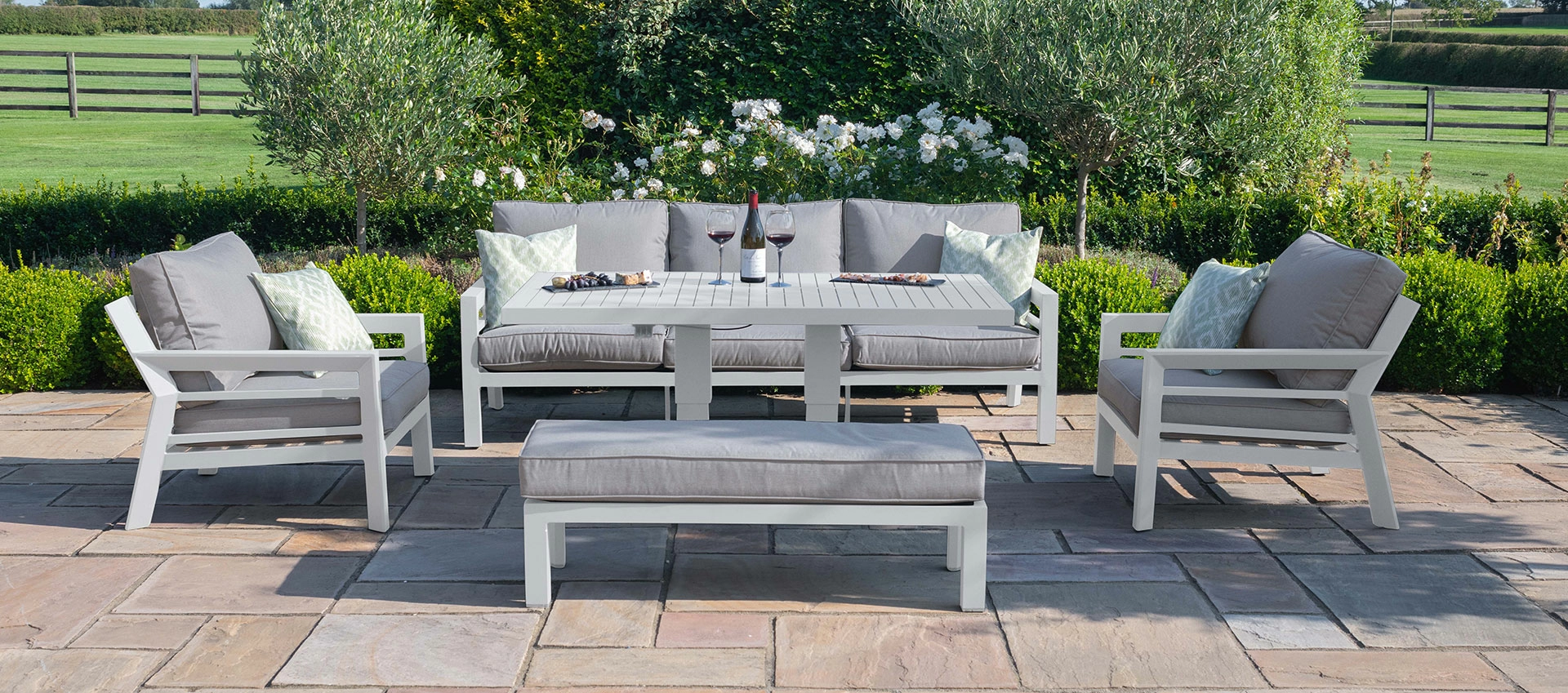
How do I keep outdoor furniture from getting blown away during windy weather?
Preventing outdoor furniture from getting blown away during windy weather requires taking certain precautions to secure the furniture and minimize the risk of damage or displacement. Here are some effective methods:
1. Choose Heavy and Sturdy Furniture:
Opt for outdoor furniture that is heavy and sturdy. Furniture with a solid construction and a low center of gravity is less likely to be blown away by strong winds. Materials such as cast iron or solid wood can provide better stability.
2. Anchor the Furniture:
Secure the furniture to the ground or a fixed structure using anchors or tie-downs. Anchoring systems, such as straps, cables, or stakes, can be attached to the furniture and anchored to the ground or nearby structures to prevent movement or tipping over.
3. Use Sandbags or Weights:
Place sandbags or weights on the base or legs of the furniture to add extra stability. The additional weight helps keep the furniture grounded and reduces the chances of it being blown away by strong winds.
4. Position Furniture Strategically:
Consider the placement of the furniture in your outdoor space. Position it in areas that are sheltered or surrounded by windbreaks, such as walls, fences, or trees. These natural barriers help reduce the impact of wind and provide some protection to the furniture.
5. Fold and Store:
If your outdoor furniture is foldable or collapsible, consider folding and storing it indoors or in a secure storage area during periods of strong winds. This eliminates the risk of damage and ensures the furniture remains intact.
6. Use Windproof Accessories:
Utilize windproof accessories designed specifically for outdoor furniture. These may include clips, straps, or fasteners that secure cushions, covers, or other removable parts of the furniture, preventing them from being blown away or displaced.
7. Store Removable Cushions and Accessories:
During windy weather, remove cushions, pillows, or other accessories from the outdoor furniture and store them indoors. Lightweight items are more susceptible to being blown away, and storing them safely prevents damage or loss.
8. Monitor Weather Forecasts:
Stay informed about weather conditions and forecasts in your area. If strong winds or severe weather are expected, take proactive measures to secure the outdoor furniture in advance.
9. Regular Maintenance:
Maintain your outdoor furniture regularly to ensure its stability and durability. Tighten any loose fittings, repair damaged parts, and replace worn-out components to keep the furniture in optimal condition.
By implementing these measures, you can significantly reduce the risk of outdoor furniture being blown away during windy weather, protecting your investment and ensuring the safety of your outdoor space.
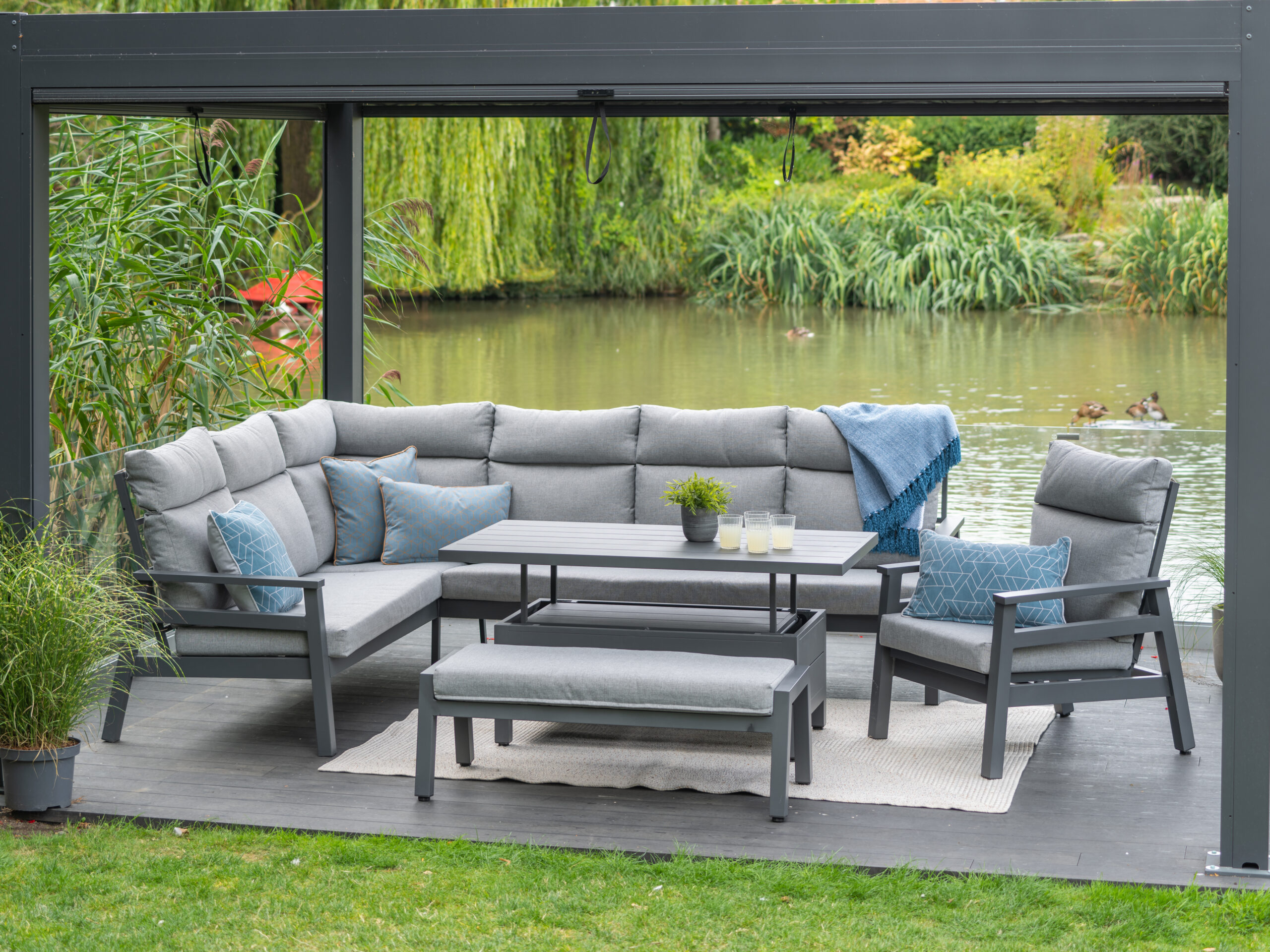
What are the pros and cons of using metal vs. wooden outdoor furniture?
When choosing outdoor furniture, both metal and wooden options have their own set of advantages and disadvantages. Here’s a breakdown of the pros and cons of each:
Metal Outdoor Furniture:
Pros:
- Durability: Metal furniture, such as aluminum, wrought iron, or stainless steel, is generally more durable and long-lasting than wood.
- Weather Resistance: Metal furniture is often resistant to the elements, including rain, sun exposure, and pests. It can withstand harsh weather conditions better than some wood options.
- Low Maintenance: Metal furniture typically requires minimal maintenance. It is easy to clean and does not require regular staining or sealing like wood.
- Stability: Metal furniture is generally more stable and less prone to warping or sagging over time.
- Modern Aesthetic: Metal furniture can lend a sleek and contemporary look to outdoor spaces.
Cons:
- Heat Absorption: Metal furniture can absorb heat and become hot to the touch when exposed to direct sunlight.
- Weight: Some metal furniture can be heavy, which can make it more difficult to move or rearrange.
- Price: Higher-quality metal furniture can be more expensive than wooden alternatives.
- Style Limitations: Metal furniture may have fewer design options compared to wood, limiting the variety of styles available.
Wooden Outdoor Furniture:
Pros:
- Natural Beauty: Wood furniture offers a warm and natural aesthetic that many people find appealing.
- Customization: Wood can be easily shaped, carved, and customized to create unique furniture pieces.
- Comfort: Wood furniture is often more comfortable to sit on than metal, especially with the addition of cushions or padding.
- Availability: Wooden outdoor furniture is widely available in various styles and price ranges.
Cons:
- Maintenance: Wood furniture requires regular maintenance, including staining, sealing, and occasional refinishing, to protect it from moisture, pests, and sun damage.
- Weather Sensitivity: Some types of wood are more susceptible to weather damage, such as warping, splitting, or rotting, if not properly maintained.
- Weight and Fragility: Wooden furniture can be heavy and more fragile than metal, making it susceptible to damage from strong winds or accidental impacts.
- Pest Attraction: Wood furniture can be attractive to pests like termites or carpenter bees if not properly treated or maintained.
When choosing between metal and wooden outdoor furniture, consider factors such as your preferred style, the climate in your area, maintenance requirements, and budget. Both options can provide durable and attractive outdoor seating and dining solutions, so it ultimately comes down to personal preference and specific needs.
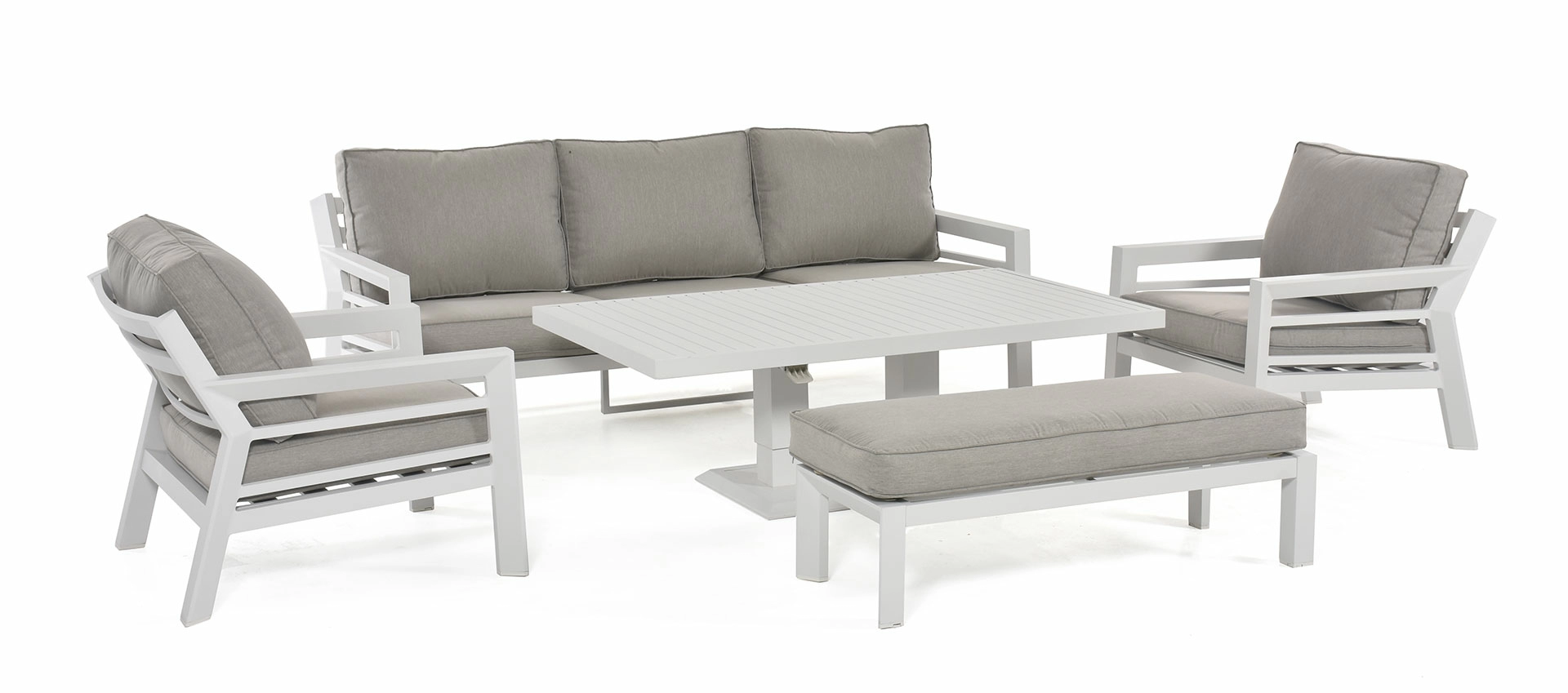
How can I protect my outdoor furniture during the winter months?
Protecting your outdoor furniture during the winter months is crucial to ensure its longevity and keep it in good condition. Here are some tips to help you protect your outdoor furniture:
1. Clean and Prepare: Before winter arrives, thoroughly clean your outdoor furniture to remove any dirt, debris, or stains. Use a mild soap, water, and a soft brush or sponge. Rinse the furniture thoroughly and allow it to dry completely. Once clean, apply an appropriate protective finish or sealant if recommended by the manufacturer.
2. Store Indoors: If possible, consider storing your outdoor furniture indoors during the winter months. A garage, basement, or storage shed can provide protection from harsh winter weather. If space is limited, prioritize storing more delicate or valuable pieces, such as cushions or lightweight furniture, while heavier or more durable items may be left outside with proper coverings.
3. Use Furniture Covers: If storing your furniture indoors is not an option, use weather-resistant covers designed specifically for outdoor furniture. Look for covers made from durable materials that are waterproof, UV-resistant, and breathable. Properly cover each piece of furniture, including tables, chairs, and cushions, to keep them protected from snow, rain, and wind.
4. Elevate and Protect: When leaving furniture outside, elevate it from the ground to prevent moisture damage. Use furniture glides, blocks, or a raised platform to keep the furniture off the wet or frozen ground. Additionally, use furniture protectors or caps on the legs to prevent scratching or damage to delicate surfaces.
5. Remove Cushions and Fabric: If your outdoor furniture has removable cushions or fabric, it’s best to store them indoors during the winter. Clean the cushions thoroughly, allow them to dry completely, and store them in a dry and protected area. If storing indoors is not possible, use weather-resistant cushion storage bags or containers to keep them protected from moisture and pests.
6. Inspect and Maintain: Periodically check on your outdoor furniture during the winter months. Remove any accumulated snow or debris from the covers and ensure they are securely in place. Inspect the furniture for any signs of damage or wear and make any necessary repairs as soon as possible.
7. Avoid Excessive Weight: While it may be tempting to use your outdoor furniture as storage surfaces during the winter, it’s best to avoid placing heavy objects on them. Excessive weight can cause damage or warping, especially if the furniture is made from materials like wicker or plastic.
By following these tips, you can help protect your outdoor furniture during the winter months and extend its lifespan. Remember to always refer to the manufacturer’s guidelines and recommendations for specific care instructions for your furniture.
editor by CX 2024-01-15