Product Description
Product Parameters
| Product NO. | Dining chair DA2112 |
| Material | velvet cushion+metal legs |
| Size | 560*600*850MM |
| Color | Base on our swatch or customer requirment |
| Warranty time | 1 year |
| Payment terms | 1.L/C at sight. 2.T/T:30% deposit before production,70% balance to be paid against the copy of documents. |
| Loading port | ZheJiang ,China |
| Delivery time | trial order lead time:30-45days |
Detailed Photos
FAQ
1. Q: Why should I choose your company to cooperate?
1.We could offer you most favorable price on the condition the products are within standard.
2. We could offer you faster delivery compared with competitors in this field, which’s almost 30-45days after deposit received normally.
2.Q: What information need I offer to you for my products’ quotation?
We appreciate if you could tell us below messages for accurate offers.
1. Size of the product.
2. Material and filler(if any).
3.Painting&packing requirement.
4.N.W./case pack.
5. Detailed pictures.
6.Quantity
3. Q: What’s your MOQ?
Normally 200pcs. If any special case, please contact for further discussion.
4. Q: What’s the payment terms?
A.TT. TT30% in advance for deposit,then we arrange mass production, you can pay TT70% balance against the copy of B/L.
B. L/C AT SIGHT For new design items, we need TT30% deposit,and we arrange mass production, then 70%L/C at sight . For old version, we accept 100% L/C at sight.
5. Q:How to order?
For retailers or personal,please tell me the items Nos shown on the website, if your order is very small i can help you to order ship in bulk and load on ship, it is not complex. For wholesalers and import agent, you can tell me the items Nos, and what the quantity you need, i will show you the lowest price for your mass production.
6.Q:How to delivery?
Our main loading port is ZheJiang ,HangZhou,ZheJiang ,HangZhou. If you have any other questions please contact us.
| Style: | Modern |
|---|---|
| Kind: | Leisure Chair |
| Material: | Fabric |
| Customized: | Customized |
| Folded: | Unfolded |
| Rotary: | Fixed |
| Samples: |
US$ 400/Piece
1 Piece(Min.Order) | |
|---|
| Customization: |
Available
|
|
|---|
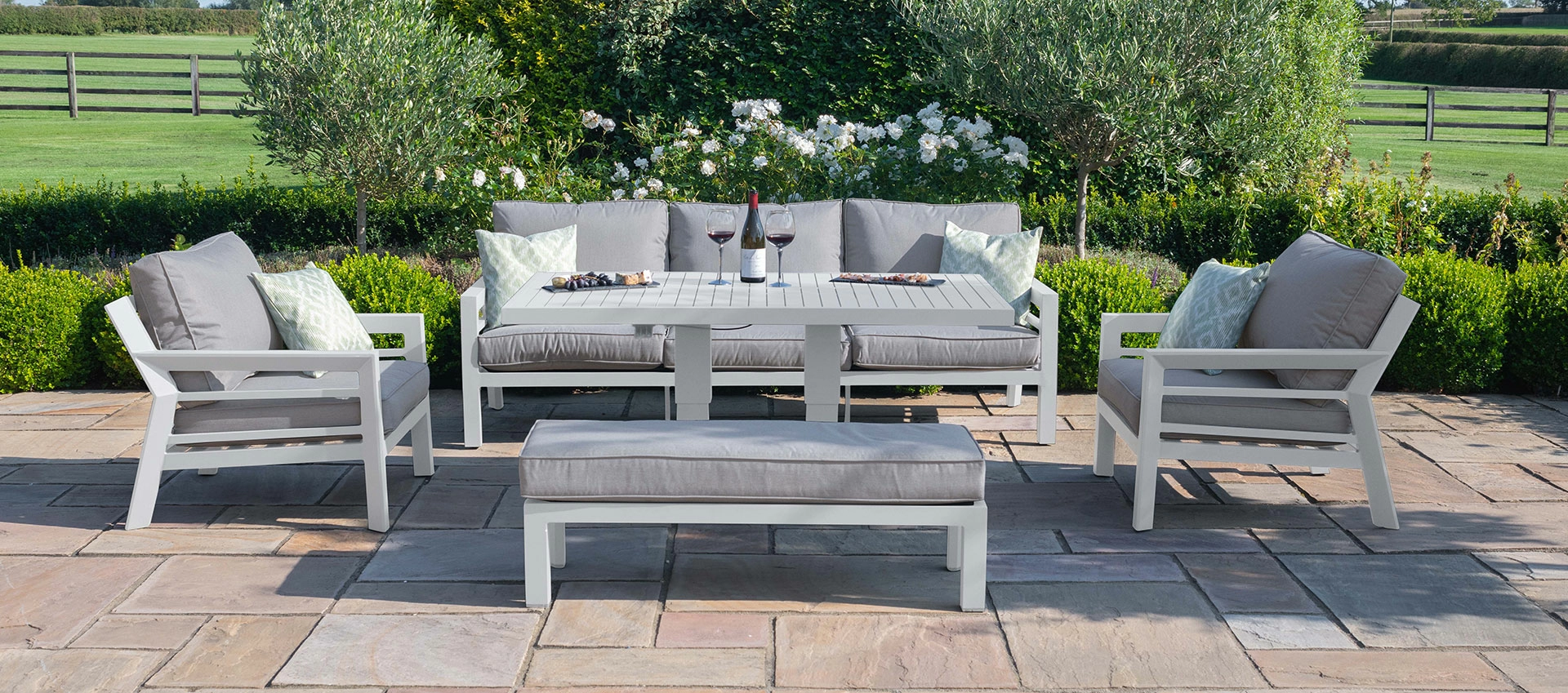
How do I keep outdoor furniture from getting blown away during windy weather?
Preventing outdoor furniture from getting blown away during windy weather requires taking certain precautions to secure the furniture and minimize the risk of damage or displacement. Here are some effective methods:
1. Choose Heavy and Sturdy Furniture:
Opt for outdoor furniture that is heavy and sturdy. Furniture with a solid construction and a low center of gravity is less likely to be blown away by strong winds. Materials such as cast iron or solid wood can provide better stability.
2. Anchor the Furniture:
Secure the furniture to the ground or a fixed structure using anchors or tie-downs. Anchoring systems, such as straps, cables, or stakes, can be attached to the furniture and anchored to the ground or nearby structures to prevent movement or tipping over.
3. Use Sandbags or Weights:
Place sandbags or weights on the base or legs of the furniture to add extra stability. The additional weight helps keep the furniture grounded and reduces the chances of it being blown away by strong winds.
4. Position Furniture Strategically:
Consider the placement of the furniture in your outdoor space. Position it in areas that are sheltered or surrounded by windbreaks, such as walls, fences, or trees. These natural barriers help reduce the impact of wind and provide some protection to the furniture.
5. Fold and Store:
If your outdoor furniture is foldable or collapsible, consider folding and storing it indoors or in a secure storage area during periods of strong winds. This eliminates the risk of damage and ensures the furniture remains intact.
6. Use Windproof Accessories:
Utilize windproof accessories designed specifically for outdoor furniture. These may include clips, straps, or fasteners that secure cushions, covers, or other removable parts of the furniture, preventing them from being blown away or displaced.
7. Store Removable Cushions and Accessories:
During windy weather, remove cushions, pillows, or other accessories from the outdoor furniture and store them indoors. Lightweight items are more susceptible to being blown away, and storing them safely prevents damage or loss.
8. Monitor Weather Forecasts:
Stay informed about weather conditions and forecasts in your area. If strong winds or severe weather are expected, take proactive measures to secure the outdoor furniture in advance.
9. Regular Maintenance:
Maintain your outdoor furniture regularly to ensure its stability and durability. Tighten any loose fittings, repair damaged parts, and replace worn-out components to keep the furniture in optimal condition.
By implementing these measures, you can significantly reduce the risk of outdoor furniture being blown away during windy weather, protecting your investment and ensuring the safety of your outdoor space.
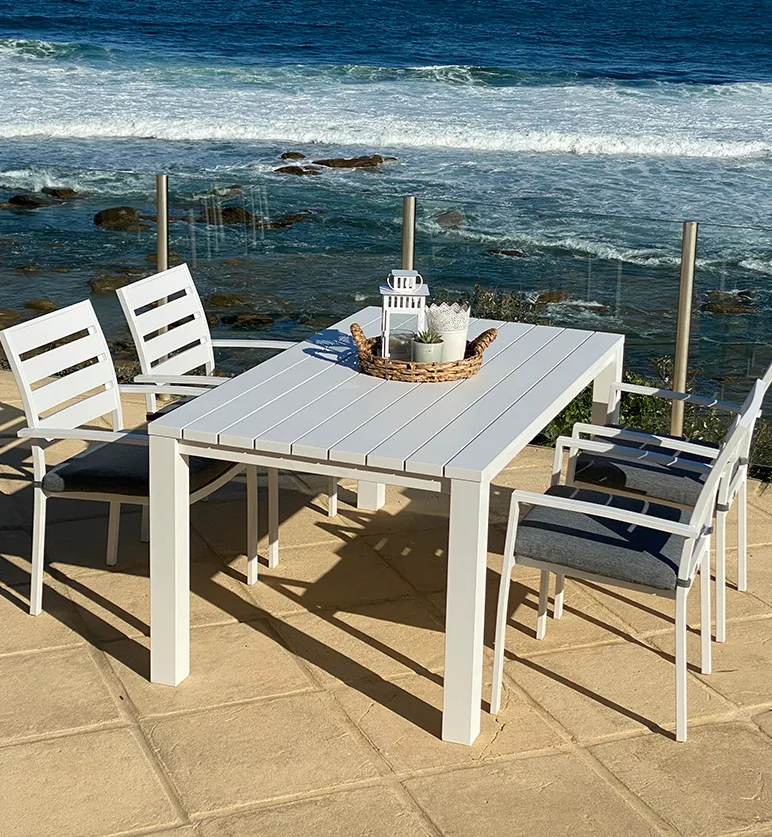
Are there any space-saving outdoor furniture options for small patios or balconies?
Yes, there are several space-saving outdoor furniture options available specifically designed for small patios or balconies. These furniture pieces are designed to maximize functionality while taking up minimal space. Here are some popular options:
1. Folding Furniture:
Folding furniture is a versatile choice for small outdoor spaces. Folding chairs, tables, and benches can be easily folded and stored when not in use, allowing you to create more space when needed.
2. Stackable Furniture:
Stackable chairs or stools are practical for compact spaces. These chairs can be stacked and stored vertically, minimizing the footprint. Look for lightweight and durable materials such as aluminum or plastic.
3. Wall-Mounted Furniture:
Consider wall-mounted tables or benches that can be folded down when needed and folded up against the wall when not in use. This option is ideal for balconies where floor space is limited.
4. Hanging Chairs or Hammocks:
If you have a sturdy overhead structure, hanging chairs or hammocks can provide comfortable seating options without taking up floor space. They can be easily installed and removed as needed.
5. Compact Bistro Sets:
Bistro sets are designed for small outdoor spaces. They typically consist of a small table and two chairs, providing a cozy and functional seating area without overwhelming the space.
6. Built-In Seating:
Consider built-in benches or seating options that can be integrated into your patio or balcony design. These can be customized to fit the available space and provide storage compartments underneath for additional functionality.
7. Multifunctional Furniture:
Look for furniture pieces that serve multiple purposes. For example, ottomans or coffee tables with hidden storage can double as seating or provide a place to keep cushions or other outdoor accessories.
8. Vertical Gardens:
If floor space is limited, vertical gardens or hanging planters can add greenery and enhance the ambiance of your small outdoor space without taking up valuable floor space.
When shopping for space-saving outdoor furniture, consider the dimensions, materials, and functionality of each piece. Take accurate measurements of your patio or balcony to ensure the furniture will fit comfortably. Additionally, consider the weather resistance and durability of the materials used, especially if your outdoor space is exposed to the elements.
By selecting the right space-saving furniture options, you can create a functional and enjoyable outdoor space, even with limited square footage.
Can you recommend outdoor furniture brands known for durability and style?
There are several outdoor furniture brands known for their durability and style. Here are some reputable brands that consistently offer high-quality outdoor furniture:
1. Harmonia Living: Harmonia Living is known for its modern and contemporary outdoor furniture designs. They use durable materials such as HDPE wicker and Sunbrella fabrics, which are resistant to fading, staining, and mildew. Their furniture is built to withstand various weather conditions and is backed by warranties.
2. Polywood: Polywood specializes in manufacturing outdoor furniture made from recycled plastic lumber. Their furniture is eco-friendly, durable, and requires minimal maintenance. Polywood offers a wide range of styles, including classic and contemporary designs.
3. Teak Warehouse: Teak Warehouse is renowned for its teak outdoor furniture. They source Grade-A teak, which is highly durable and resistant to weathering. Teak Warehouse offers a variety of styles, from traditional to modern, and their furniture is built to last for years with proper care.
4. Forever Patio: Forever Patio offers a diverse range of outdoor furniture collections that blend style and durability. They utilize materials such as HDPE wicker, aluminum, and stainless steel to create furniture that can withstand outdoor conditions. Their furniture is known for its comfort and elegant designs.
5. Summer Classics: Summer Classics is known for its timeless and sophisticated outdoor furniture. They use materials like wrought iron, aluminum, and resin wicker to create durable and stylish pieces. Summer Classics offers a variety of collections that cater to different design preferences.
6. Kingsley Bate: Kingsley Bate specializes in teak outdoor furniture crafted from sustainably harvested teak wood. Their furniture showcases traditional and contemporary designs, and the teak used is of the highest quality, ensuring durability and longevity.
7. Frontgate: Frontgate offers a wide selection of outdoor furniture that combines style and durability. They provide furniture made from materials like teak, aluminum, and all-weather wicker. Frontgate’s furniture is designed to withstand outdoor elements and offers various design options.
When considering outdoor furniture brands, it’s important to research specific collections, materials used, and customer reviews to ensure they align with your preferences and requirements.
Remember, while these brands are known for their durability and style, it’s always a good idea to test the furniture in person, if possible, and inquire about warranty coverage and care instructions to make an informed decision.
editor by CX 2023-10-19
China factory Wholesale Customized Beach Side Garden Hot Sale Resort Hotel Pool Outdoor Leisure Patio Aluminum Textliene Fabric Chaise Lounge vacuum pump ac
Product Description
Wholesale Customized Beach Side Garden Hot Sale Resort Hotel Pool Outdoor Leisure Patio Aluminum Textliene Fabric Chaise Lounge
1. Rich OEM & ODM Experience
Our factory has 20years experience focus on producing high quality outdoor furniture, we will make your idea come true according to your design drawing or just photo share.
2. Strict Quality Standards
We have professional Quality Control Team, every our department has QC checking, and must be pass checking then through to next department. Before packing and loading we must have totally full checking.
3. Professional Sales Service Team
We will provide professional solution for every customer, gain more market share. We will be your backup and grow up together.
4. Competitive Price With Friendly MOQ
Competitive price highly support you to win more market share.
Sample order is also welcome.
5. Delivery On Time
25-45days delivery time
6. Quick Response
We will response you within 0.5-12hours, will never later than 24hours.
7. Before & After Service
Professional suggestion and information help you choose the right styles.
Provide high resolution photos service.
Provide detail photos for your close checking from order beginning to loading.
8. One-Stop Service
We have established long term business with more than 30 raw material suppliers in China. We have an efficient supply chain management system to make sure the delivery on time. We focus on producing outdoor furniture, but also supply Sun-umbrella, bean bags, hammock etc. to support with one-stop shopping service to save your time and cost.
| Material: | Aluminum |
|---|---|
| Style: | Modern |
| Type: | Single |
| Folded: | Unfolded |
| Armrest: | Without Armrest |
| Customized: | Customized |
| Samples: |
US$ 180/Piece
1 Piece(Min.Order) | |
|---|
| Customization: |
Available
|
|
|---|
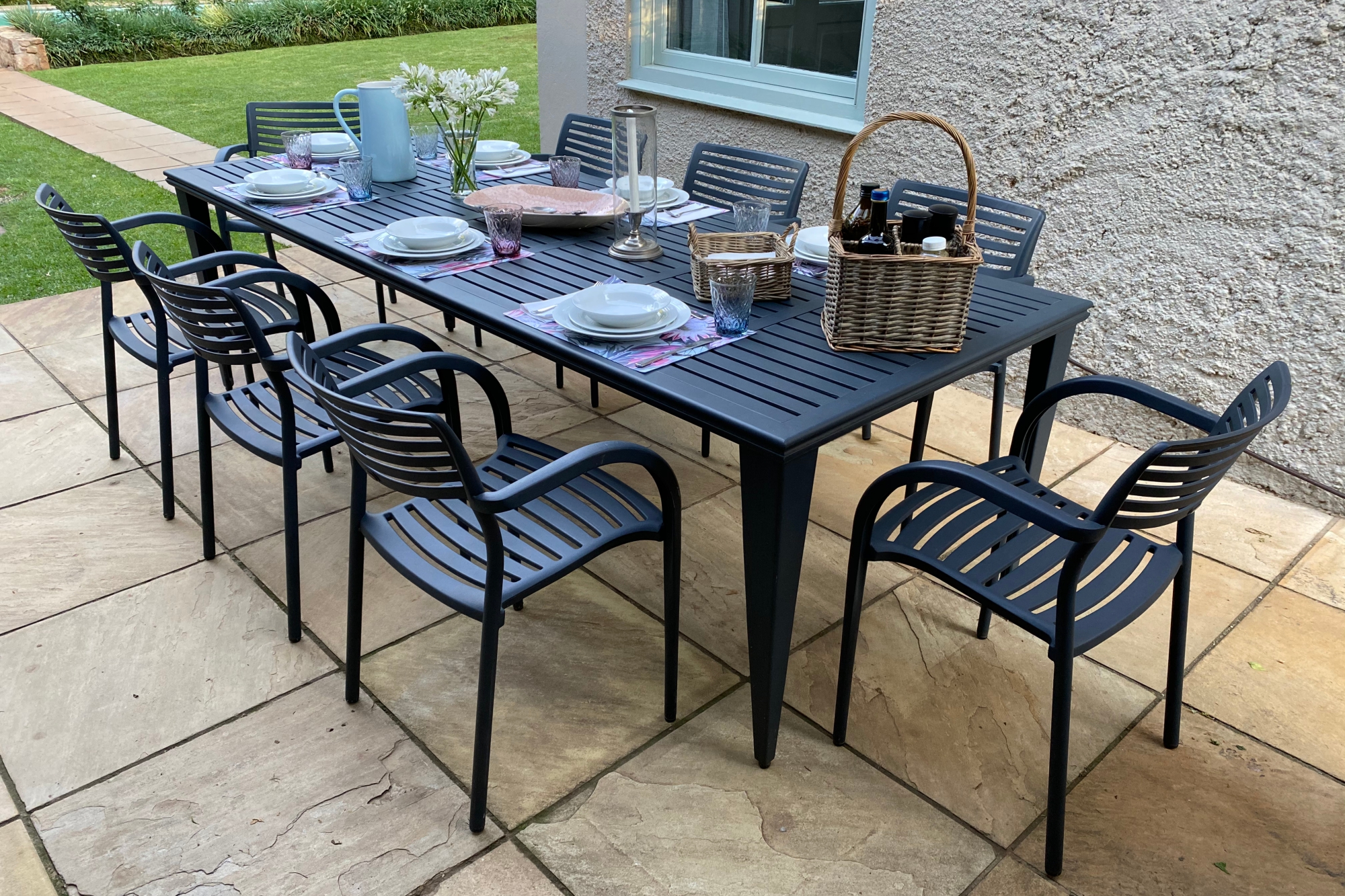
Where can consumers find reputable suppliers or retailers offering a wide selection of aluminum chaise lounges?
When searching for reputable suppliers or retailers offering a wide selection of aluminum chaise lounges, consumers have several options. Here’s a detailed explanation:
1. Furniture Stores: Consumers can start their search at local furniture stores that specialize in outdoor furniture. These stores often carry a variety of chaise lounges, including aluminum options. Visiting furniture stores allows consumers to see and test the lounges in person, ensuring the quality and comfort of the products before making a purchase.
2. Home Improvement Stores: Large home improvement stores, such as Home Depot or Lowe’s, often have dedicated outdoor living sections that feature a range of chaise lounges. These stores typically offer a variety of styles and price points, making it convenient for consumers to compare options and find a lounge that suits their preferences and budget.
3. Online Retailers: Online retailers provide a convenient way to explore a wide selection of aluminum chaise lounges from the comfort of one’s home. Reputable e-commerce platforms like Amazon, Wayfair, and Overstock offer a vast array of options and provide customer reviews and ratings to help consumers make informed decisions. Additionally, many furniture manufacturers have their own websites where consumers can browse and purchase lounges directly.
4. Specialty Outdoor Retailers: Specialty outdoor retailers often carry a curated selection of high-quality outdoor furniture, including aluminum chaise lounges. These retailers typically focus on outdoor living and offer a wide range of designs, materials, and price points. Shopping at specialty outdoor retailers allows consumers to access expert advice and guidance from staff who are knowledgeable about outdoor furniture.
5. Trade Shows and Exhibitions: Attending trade shows and exhibitions related to furniture and home decor is another way to discover reputable suppliers or retailers offering aluminum chaise lounges. These events bring together manufacturers, designers, and retailers, providing an opportunity to explore a wide range of products and establish connections with reputable suppliers.
6. Recommendations and Referrals: Seeking recommendations and referrals from friends, family, or professionals in the interior design or landscaping industry can lead consumers to reputable suppliers or retailers. Personal recommendations often come with insights and experiences that can help inform the purchasing decision and ensure a positive buying experience.
It’s important for consumers to conduct research and consider factors such as reputation, customer reviews and ratings, product warranties, and return policies when choosing a supplier or retailer. Additionally, comparing prices, quality, and available designs across different sources can help consumers find the best value for their investment.
In summary, consumers can find reputable suppliers or retailers offering a wide selection of aluminum chaise lounges at furniture stores, home improvement stores, online retailers, specialty outdoor retailers, trade shows and exhibitions, and through recommendations and referrals. Exploring multiple sources, considering key factors, and conducting thorough research can help consumers find the right supplier or retailer to purchase their desired aluminum chaise lounge.
Do aluminum chaise lounges come with adjustable reclining positions?
Yes, aluminum chaise lounges often come with adjustable reclining positions. Here’s a detailed explanation:
Many aluminum chaise lounges are designed with adjustable reclining positions to provide users with customizable comfort and relaxation. The ability to adjust the reclining position allows individuals to find their preferred angle for lounging, whether they want to sit upright, recline partially, or fully lie back.
Typically, aluminum chaise lounges feature a backrest that can be adjusted to different angles. The specific mechanism for adjusting the recline varies depending on the design and model of the lounge. Some lounges have a simple lever or handle on the side that allows you to lock the backrest in different positions, while others may use a ratchet system or a series of notches that provide multiple reclining options.
With the adjustable reclining feature, users can find the most comfortable position for reading, sunbathing, napping, or simply relaxing by the poolside. The ability to change the angle of the backrest also makes aluminum chaise lounges versatile for various activities and preferences.
It’s worth noting that the range of reclining positions may vary between different models or brands of aluminum chaise lounges. Some lounges may offer a limited number of preset positions, while others may provide a smoother and more continuous adjustment, allowing for more precise recline angles.
In addition to adjustable reclining positions, some aluminum chaise lounges may also feature other ergonomic elements to enhance comfort. This can include contoured seats that provide better support for the body, padded cushions or slings for added comfort, and armrests that contribute to a more relaxed lounging experience.
When considering an aluminum chaise lounge with adjustable reclining positions, it’s recommended to test the lounge in person, if possible, to ensure that the range of recline and the locking mechanism meet your preferences and provide the desired level of comfort. Reading product descriptions, customer reviews, and manufacturer specifications can also provide valuable information about the reclining features of specific models.
In summary, many aluminum chaise lounges come with adjustable reclining positions, allowing users to customize their lounging experience. The ability to change the angle of the backrest provides flexibility and comfort, making aluminum chaise lounges a popular choice for poolside relaxation.
What features make aluminum chaise lounges a popular choice for poolside furniture?
Aluminum chaise lounges are a popular choice for poolside furniture due to several key features. Here’s a detailed explanation:
1. Durability: Aluminum is a highly durable material that is resistant to rust, corrosion, and fading. This makes aluminum chaise lounges well-suited for poolside environments where they are exposed to water, sunlight, and other outdoor elements. The inherent durability of aluminum ensures that the lounges can withstand frequent use and maintain their structural integrity over time.
2. Lightweight: Aluminum chaise lounges are lightweight compared to other materials such as wrought iron or wood. This makes them easy to move and reposition around the pool area as needed. The lightweight nature of aluminum lounges also contributes to their portability, allowing you to easily store or transport them when necessary.
3. Weather Resistance: Aluminum is known for its excellent weather resistance. It does not warp, crack, or splinter when exposed to moisture, making it ideal for poolside environments. Aluminum chaise lounges can withstand rain, humidity, and pool chemicals without deteriorating, ensuring their longevity and maintaining their appearance over time.
4. Ease of Maintenance: Aluminum chaise lounges require minimal maintenance, which is a desirable feature for poolside furniture. The smooth surface of aluminum is easy to clean with mild soap and water, and it does not require any special treatments or coatings to maintain its appearance. Additionally, aluminum is resistant to stains, making it easier to remove any spills or marks that may occur in a poolside setting.
5. Comfort: Aluminum chaise lounges often feature ergonomic designs that prioritize comfort. They may have adjustable backrests, contoured seats, and supportive armrests, allowing users to find their preferred lounging position. Some lounges also come with cushions or slings that provide additional comfort and support.
6. Versatility: Aluminum chaise lounges come in a variety of styles, designs, and finishes, allowing for versatility in poolside aesthetics. Whether you prefer a modern, sleek look or a more traditional design, there are aluminum lounges available to suit different preferences and complement various outdoor decor styles.
7. Pool-Friendly Features: Manufacturers often incorporate pool-friendly features into aluminum chaise lounges. These can include non-slip coatings or materials that enhance grip, ensuring safer use when lounging by the pool. Some lounges may also have wheels for easy mobility, making it convenient to move them closer to or farther from the pool as desired.
8. Longevity: Aluminum chaise lounges have a long lifespan, thanks to the material’s durability and resistance to wear. Unlike wood or other materials that may degrade over time, aluminum lounges can maintain their appearance and functionality for many years with proper care and maintenance.
9. Heat Resistance: Aluminum has good heat conductivity, which means that the chaise lounges do not retain heat as much as some other materials. This is particularly beneficial for poolside furniture, as it prevents the lounges from becoming uncomfortably hot to the touch, even under direct sunlight.
In summary, aluminum chaise lounges are a popular choice for poolside furniture due to their durability, lightweight nature, weather resistance, ease of maintenance, comfort, versatility, pool-friendly features, longevity, and heat resistance. These features make aluminum chaise lounges a practical and aesthetically pleasing option for creating a relaxing and functional poolside area.
editor by CX 2023-10-19
China OEM New Designed Outdoor Daybed Aluminum Rope Kd Chaise Lounge wholesaler
Product Description
Product Description
| New Designed Outdoor Daybed Aluminum Rope KD Chaise Lounge |
| Size: |
| W164xD174xH71cm |
| Finish: |
| alum frame + 5mm round rope weaving; |
| 10cm seat cushion and soft back cushion and scatter cushion in 210g yarn dyed fabric;adjustable feet. |
| Loading Quantity: 40sets/40HQ |
Detailed Photos
The New Designed Outdoor Daybed Aluminum Rope KD Chaise Lounge provides comfort and style with additional peace of mind knowing that the furniture is sturdy. This chaise lounge can function for whichever occasion, provide a huge costy corner for you and your loved ones to cuddle and enjoy the morning CHINAMFG or enjoy a lesiure afternoon reading a book. Or simply to take a nap on it! There are simply endless ways to enjoy the lounge!
Company Profile
HangZhou LODESTONE IMPORT & EXPORT CO.,LTD. Started from 2016, a professional manufacturer and exporter of outdoor furniture and outdoor cushions in HangZhou, ZHangZhoug of China. Product range covering aluminium furniture, rattan furniture, steel, textilene furniture, outdoor cushions, furniture cover, umbrella and so on. We focus on providing the high quality products and service to every our customer and good reputation from Germany, UK, France, Poland, Norway, Israel, Canada, America and some other countries.
Our team has more than 12 years experience in outdoor furniture, We are fully aware of customer needs and pay highly attention to every step of the production. Efficient professional services and strict quality control which make our products well received by our customers worldwide.
Packaging & Shipping
FAQ
| 1. What is your MOQ? |
| Normally whole container shipping, some are 50pc, some are 20pc. LCL is acceptable. |
| 2. What is your payment term? |
| T/T deposit or L/C at sight |
| 3. What is your delivery time? |
| 40-50 days in CHINAMFG season from October to April. |
| 30-40 days in low season from May to September. |
| 4. What are your warranty terms? |
| 24 month |
| 5. Does the product support customization? |
| Yes, we can make the product according to your size and color. |
| 6. How’s the package? |
| standard package for export. Special mail order packing is available . |
| 7. What’s your sample policy? |
| We accept the sample order. However the customers have to pay the sample cost and shipping cost. The samples need 15 days to delivery. |
| 8. What’s your shipping term? |
| FOB HangZhou/ZheJiang |
Thanks for your attention! Welcome to your inquiry.
We will give you prompt reply.
| Material: | Fabric |
|---|---|
| Frame Material: | Aluminium |
| Style: | Modern |
| Samples: |
US$ 500/Set
1 Set(Min.Order) | Order Sample |
|---|
| Customization: |
Available
|
|
|---|
.shipping-cost-tm .tm-status-off{background: none;padding:0;color: #1470cc}
|
Shipping Cost:
Estimated freight per unit. |
about shipping cost and estimated delivery time. |
|---|
| Payment Method: |
|
|---|---|
|
Initial Payment Full Payment |
| Currency: | US$ |
|---|
| Return&refunds: | You can apply for a refund up to 30 days after receipt of the products. |
|---|
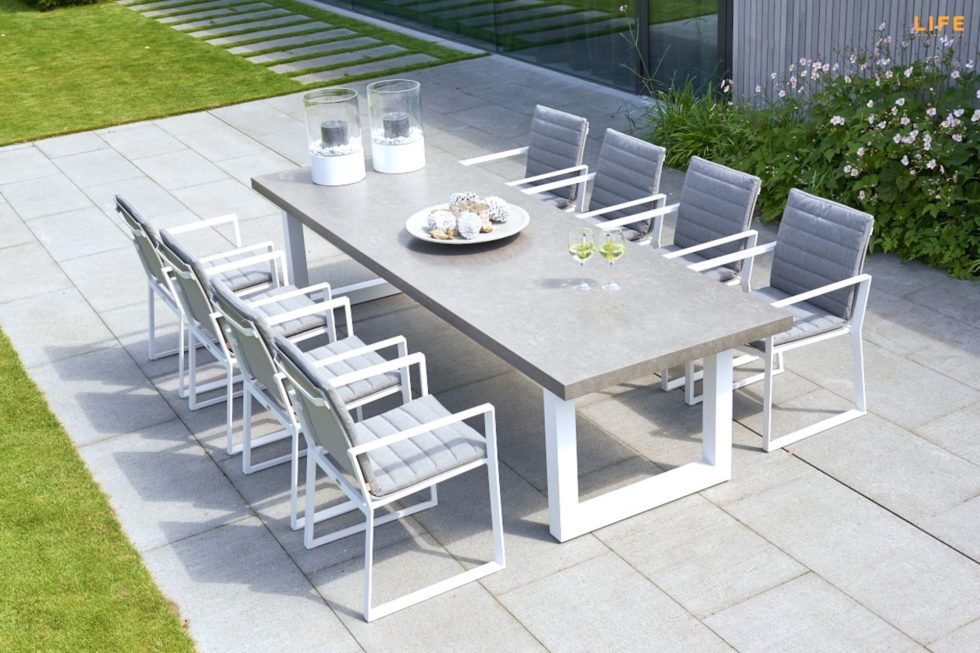
Can aluminum chaise lounges be used in coastal areas without being affected by saltwater exposure?
When considering the use of aluminum chaise lounges in coastal areas and their resistance to saltwater exposure, here’s a detailed explanation:
Aluminum chaise lounges are generally well-suited for use in coastal areas and can withstand saltwater exposure without significant negative effects. Aluminum is naturally resistant to corrosion, including the corrosion caused by saltwater or salt air. This corrosion resistance is due to the formation of a protective oxide layer on the surface of the aluminum, which helps prevent the metal from reacting with the saltwater and deteriorating.
However, it’s important to note that while aluminum chaise lounges are resistant to saltwater exposure, they are not entirely immune to the effects of coastal environments. Factors such as the quality of the aluminum alloy used, the presence of protective coatings or finishes, and the overall maintenance and care can influence the longevity and performance of the lounges in coastal areas.
To ensure the best performance and durability of aluminum chaise lounges in coastal environments, consider the following tips:
- Choose marine-grade aluminum: Marine-grade aluminum alloys are specifically designed to offer enhanced resistance to corrosion in coastal or saltwater environments. These alloys typically have additional elements or treatments that improve their durability and ability to withstand harsh conditions.
- Check for protective coatings or finishes: Some aluminum chaise lounges come with protective coatings or finishes that provide an extra layer of protection against saltwater exposure. These coatings can help prevent saltwater from directly contacting the aluminum surface and enhance its resistance to corrosion.
- Maintain regular cleaning: Regular cleaning is essential to remove salt residue and other contaminants that may accumulate on the chaise lounges. Use a mild detergent and water to clean the aluminum surfaces, and rinse thoroughly to remove any remaining salt or cleaning agents.
- Apply protective wax or sealants: Applying a protective wax or sealant can further enhance the resistance of aluminum chaise lounges to saltwater exposure. These products can create a barrier that helps prevent saltwater from reaching the aluminum surface, reducing the risk of corrosion.
- Monitor and address any signs of corrosion: Despite their inherent resistance, aluminum chaise lounges may still develop signs of corrosion over time, especially if maintenance is neglected. Regularly inspect the lounges for any signs of pitting, discoloration, or damage, and promptly address any issues to prevent further deterioration.
By following these guidelines and considering the specific quality and maintenance requirements of the aluminum chaise lounges, they can be used in coastal areas without being significantly affected by saltwater exposure. However, it’s always advisable to consult the manufacturer’s recommendations and care instructions to ensure the best performance and longevity of the lounges in coastal environments.
In summary, aluminum chaise lounges are generally suitable for use in coastal areas and can withstand saltwater exposure without being significantly affected. Choosing marine-grade aluminum, checking for protective coatings or finishes, regular cleaning, applying protective wax or sealants, and addressing any signs of corrosion are important steps to maximize the durability and performance of aluminum chaise lounges in coastal environments.
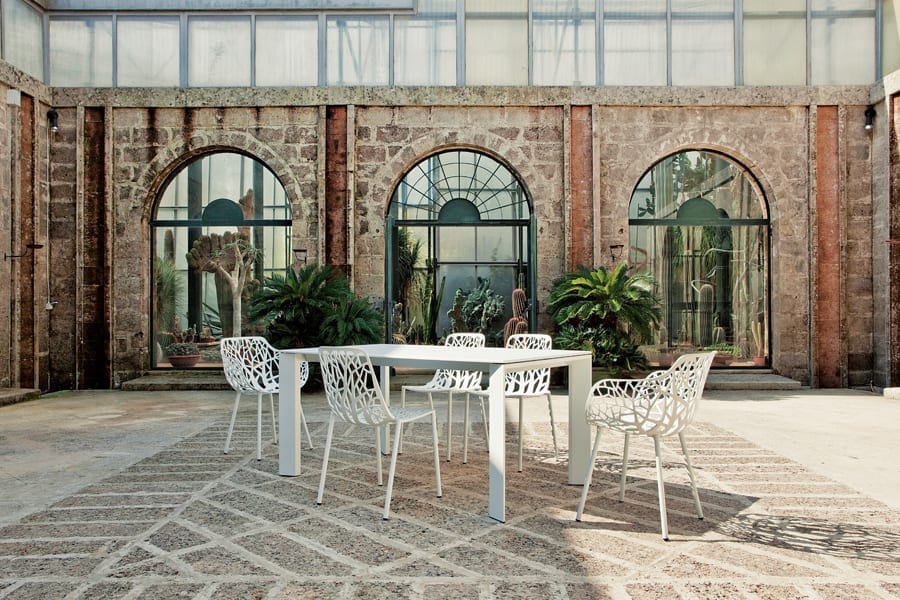
What is the typical price range for high-quality aluminum chaise lounges?
When it comes to high-quality aluminum chaise lounges, the price range can vary depending on various factors such as the brand, design, features, materials used, and overall craftsmanship. Here’s a detailed explanation:
The typical price range for high-quality aluminum chaise lounges can start from around $200 and go up to $2,000 or more. However, it’s important to note that these prices are approximate and can vary significantly based on the factors mentioned above.
At the lower end of the price range, you can find high-quality aluminum chaise lounges that offer good durability, comfort, and basic features. These lounges may have a simple design with minimal frills but still provide a comfortable seating experience. They are often made with sturdy aluminum frames and may feature weather-resistant materials such as sling fabric or cushioned seats. Prices for these entry-level high-quality lounges can range from around $200 to $500.
In the mid-range price range, you can find a wider variety of high-quality aluminum chaise lounges with additional features and design options. These lounges may offer enhanced comfort with thicker cushions or padding, adjustable backrests or reclining positions, and more stylish designs. The materials used may be of higher quality, such as premium outdoor fabrics or premium finishes on the aluminum frames. The prices for these mid-range high-quality lounges can range from around $500 to $1,000.
At the higher end of the price range, you can find top-of-the-line high-quality aluminum chaise lounges that are designed with premium materials, exquisite craftsmanship, and luxurious features. These lounges often feature high-performance outdoor fabrics that are resistant to fading, moisture, and mildew. They may have advanced ergonomic designs that provide exceptional comfort and support. The frames may be made with premium-grade aluminum alloys or other high-quality materials. Prices for these luxury high-quality lounges can start from around $1,000 and can go up to $2,000 or more.
It’s important to consider your budget, intended use, and personal preferences when selecting an aluminum chaise lounge. While higher-priced lounges often come with additional features and premium materials, there are also many options available in the mid-range price range that offer excellent quality and functionality.
When purchasing high-quality aluminum chaise lounges, it’s also advisable to consider factors such as warranties, customer reviews, and the reputation of the brand or manufacturer. These factors can provide insights into the overall value and reliability of the lounges.
In summary, the typical price range for high-quality aluminum chaise lounges can vary from around $200 to $2,000 or more. The price range is influenced by factors such as brand, design, features, materials used, and craftsmanship. Consider your budget and desired features to find a high-quality aluminum chaise lounge that meets your needs and offers long-lasting comfort and durability.
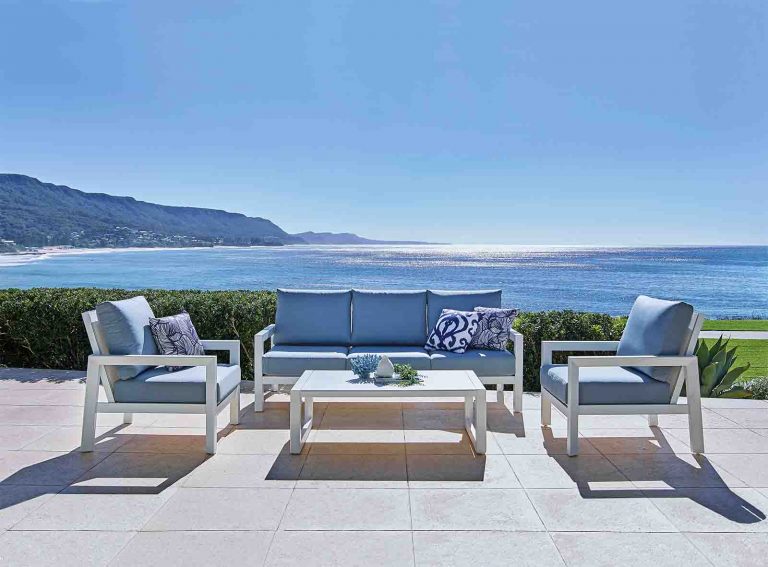
Are aluminum chaise lounges suitable for outdoor use and resistant to weather conditions?
Yes, aluminum chaise lounges are suitable for outdoor use and known for their resistance to weather conditions. Here’s a detailed explanation:
Aluminum chaise lounges are specifically designed to withstand outdoor environments and various weather conditions. Here are the reasons why they are suitable for outdoor use and resistant to weather:
1. Weather Resistance: Aluminum chaise lounges are highly resistant to weather conditions. Aluminum itself is naturally resistant to rust, corrosion, and moisture damage, making it an ideal material for outdoor furniture. Whether it’s exposure to rain, sunlight, humidity, or temperature fluctuations, aluminum chaise lounges can withstand these elements without deteriorating or losing their functionality.
2. UV Resistance: Aluminum chaise lounges are also resistant to UV rays. The aluminum frames are typically treated or coated to protect against fading, discoloration, or damage caused by prolonged exposure to sunlight. This UV resistance ensures that the chaise lounges can maintain their color and appearance over time, even when placed in direct sunlight.
3. Non-Porous Surface: Aluminum has a non-porous surface, which means it does not absorb moisture. This non-porous nature prevents the chaise lounges from warping, cracking, or rotting when exposed to moisture or rain. It also makes them resistant to mold or mildew growth, ensuring a hygienic and clean outdoor seating option.
4. Durable Construction: Aluminum chaise lounges are constructed with durability in mind. The frames are typically made from high-quality aluminum alloys that are strong and sturdy. They are engineered to withstand the rigors of outdoor use and resist the impact of everyday wear and tear. This durability ensures that the chaise lounges can withstand frequent use and maintain their structural integrity over time.
5. Easy Maintenance: Aluminum chaise lounges are relatively low maintenance compared to other outdoor furniture materials. They are easy to clean and typically require only a mild soap and water solution. The non-porous surface of aluminum prevents staining or dirt accumulation, making them easy to maintain and keeping them looking their best with minimal effort.
6. Design Versatility: Aluminum chaise lounges come in a variety of designs and styles, allowing you to find the perfect fit for your outdoor space. Whether you prefer a sleek and modern design or a more traditional and ornate style, there are aluminum chaise lounges available to suit your aesthetic preferences. This design versatility ensures that you can find a chaise lounge that complements your outdoor decor while still enjoying the benefits of weather resistance.
7. Longevity: Due to their weather resistance and durable construction, aluminum chaise lounges have a long lifespan. They are designed to withstand the outdoor elements for many years, providing you with long-lasting comfort and relaxation. Investing in an aluminum chaise lounge ensures that you can enjoy outdoor lounging for seasons to come.
In summary, aluminum chaise lounges are indeed suitable for outdoor use and resistant to weather conditions. Their weather resistance, UV resistance, non-porous surface, durable construction, easy maintenance, design versatility, and longevity make them an excellent choice for outdoor seating options that can withstand the elements and enhance your outdoor living space.
editor by CX 2023-10-19
China Custom Hot Sale 100% Silent Piston Portable Oil Free Air Compressor 70L Hb70A with 70 Tank air compressor repair near me
Product Description
Product Description
Features
1. The machine is light, easy to carry.
2. Without refueling in use process, low energy consumption, simple maintenance and low cost.
3. The machine little vibration, low noise
4. Compared with similar machines, the air charging time is faster and the work is reliable.
5. Suitable for food, medical treatment, woodworking decoration, scientific research institutions, and compressed gas as a power source in the field.
Product Parameters
| Model | HB12 | HB30 | HB35 | HB50 | HB70A | HB90A | HB120 | HB200 |
| Input power (KW) |
0.68 | 0.75 | 0.85 | 1.5 | 1.36 (0.68*2) |
2.04 (0.68*3) |
3.4 (0.85*4) |
5.1 (0.85*6) |
| Voltage (V/Hz) | 220/50 | 220/50 | 220/50 | 220/50 | 220/50 | 220/50 | 220/50 | 220/50 |
| Current (A) | 2.8 | 3.0 | 3.8 | 6 | 6.8 | 9.0 | 13 | 20 |
| Rotate speed (rpm/min) | 1400 | 1400 | 1400 | 1400 | 1400 | 1400 | 1400 | 1400 |
| Air Intake (L/min) | 116 | 128 | 150 | 180 | 256 | 580 | 720 | 950 |
| Exhaust pressure(Mpa) | 0.8 | 0.8 | 0.8 | 0.8 | 0.7 | 0.7 | 0.7 | 0.7 |
| Noise (db(A)) | 66 | 66 | 68 | 71 | 71 | 73 | 85 | 85 |
| Volume (L) | 12 | 30 | 35 | 50 | 70 | 90 | 160 | 200 |
| Weight (KG) | 18 | 23 | 26 | 39 | 43 | 69 | 105 | 150 |
| Dimensions (CM) | 53*23*55 | 54*30*56 | 64*32*61 | 70*30*65 | 70*35*70 | 100*35*70 | 120*41*75 | 150*45*85 |
Detailed Photos
Packaging & Shipping
Company Profile
Founded in 1997, our factory has become 1 of the most powerful air compressor equipment and engineering drilling equipment manufacturers in China, and is a member of the national compressor industry association, drilling machinery and pneumatic tools industry association, and a drafting unit of national standards. All the products have passed the quality system certification of ISO9001:2000 and national inspection-free products.
Its total registered capital of 245 million yuan, holding 10 subsidiaries, is a set of technology research and development, production and manufacturing, sales and service functions in 1 of the modern machinery and equipment manufacturing enterprises, the enterprise covers an area of 31000m2. The group has more than 1100 employees, including more than 100 middle and senior technical personnel. The group has established close cooperative relations with many domestic famous universities and other scientific research institutes, with strong product research and development capabilities.
Now as the main exporter of drilling rigs and air compressors equipment in China. It has exported to more 60 countries such as Southeast Asia, South America, Africa, Eastern Europe, Russia etc. Excellent quality and perfect service gain the consistent praise from customers.
Certifications
After Sales Service
1.Pre-sale service:
Act as a good adviser and assistant of clients enable them to get rich and generous returns on their investments .
1.Select equipment model.
2.Design and manufacture products according to client’s special requirement
3.Train technical personnel for clients .
2.Services during the sale:
1.Pre-check and accept products ahead of delivery .
2. Help clients to draft solving plans .
3.After-sale services:
Provide considerate services to minimize clients’ worries.
1.Complete Aftersales service,professional engineers available to service machinery at home or oversea.
2. 24 hours technical support by e-mail.
3. Call or Video service.
FAQ
Q1: Are you factory or trade company?
A1: We are factory. And we have ourselves trading company.
Q2: Warranty terms of your machine?
A2: One year warranty for the machine and technical support according to your needs.
Q3: Will you provide some spare parts of the machines?
A3: Yes, of course.
Q4: What about the voltage of products??Can they be customized?
A4: Yes, of course. The voltage can be customized according to your equirement.
Q5: How long will you take to arrange production?
A5: 380V 50HZ we can delivery the goods within 7-15 days. Other electricity or other color we will delivery within 20-30 days.
Q6: Can you accept OEM orders?
A6: Yes, with professional design team, OEM orders are highly welcome.
Q7 Which trade term can you accept?
A7: Available trade terms: FOB, CIF, CFR, EXW, CPT, etc.
| After-sales Service: | 24 Hours Online Service |
|---|---|
| Warranty: | 1 Year |
| Lubrication Style: | Oil-free |
| Cooling System: | Air Cooling |
| Structure Type: | Open Type |
| Exhaust Pressure(MPa): | 0.8 |
.webp)
How are air compressors utilized in the aerospace industry?
Air compressors play a crucial role in various applications within the aerospace industry. They are utilized for a wide range of tasks that require compressed air or gas. Here are some key uses of air compressors in the aerospace industry:
1. Aircraft Systems:
Air compressors are used in aircraft systems to provide compressed air for various functions. They supply compressed air for pneumatic systems, such as landing gear operation, braking systems, wing flap control, and flight control surfaces. Compressed air is also utilized for starting aircraft engines and for cabin pressurization and air conditioning systems.
2. Ground Support Equipment:
Air compressors are employed in ground support equipment used in the aerospace industry. They provide compressed air for tasks such as inflating aircraft tires, operating pneumatic tools for maintenance and repair, and powering air-driven systems for fueling, lubrication, and hydraulic operations.
3. Component Testing:
Air compressors are utilized in component testing within the aerospace industry. They supply compressed air for testing and calibrating various aircraft components, such as valves, actuators, pressure sensors, pneumatic switches, and control systems. Compressed air is used to simulate operating conditions and evaluate the performance and reliability of these components.
4. Airborne Systems:
In certain aircraft, air compressors are employed for specific airborne systems. For example, in military aircraft, air compressors are used for air-to-air refueling systems, where compressed air is utilized to transfer fuel between aircraft in mid-air. Compressed air is also employed in aircraft de-icing systems, where it is used to inflate inflatable de-icing boots on the wing surfaces to remove ice accumulation during flight.
5. Environmental Control Systems:
Air compressors play a critical role in the environmental control systems of aircraft. They supply compressed air for air conditioning, ventilation, and pressurization systems, ensuring a comfortable and controlled environment inside the aircraft cabin. Compressed air is used to cool and circulate air, maintain desired cabin pressure, and control humidity levels.
6. Engine Testing:
In the aerospace industry, air compressors are utilized for engine testing purposes. They provide compressed air for engine test cells, where aircraft engines are tested for performance, efficiency, and durability. Compressed air is used to simulate different operating conditions and loads on the engine, allowing engineers to assess its performance and make necessary adjustments or improvements.
7. Oxygen Systems:
In aircraft, air compressors are involved in the production of medical-grade oxygen for onboard oxygen systems. Compressed air is passed through molecular sieve beds or other oxygen concentrator systems to separate oxygen from other components of air. The generated oxygen is then supplied to the onboard oxygen systems, ensuring a sufficient and continuous supply of breathable oxygen for passengers and crew at high altitudes.
It is important to note that air compressors used in the aerospace industry must meet stringent quality and safety standards. They need to be reliable, efficient, and capable of operating under demanding conditions to ensure the safety and performance of aircraft systems.
.webp)
What is the role of air compressors in manufacturing and industrial processes?
Air compressors play a crucial role in various manufacturing and industrial processes, providing a reliable source of compressed air that powers a wide range of equipment and tools. Here are some key roles of air compressors in manufacturing and industrial settings:
1. Pneumatic Tools and Equipment:
Air compressors power a wide range of pneumatic tools and equipment used in manufacturing processes. These tools include impact wrenches, air drills, sanders, grinders, nail guns, and spray guns. Compressed air provides the necessary force and energy for these tools, enabling efficient and precise operations.
2. Automation and Control Systems:
Compressed air is used in automation and control systems within manufacturing facilities. Pneumatic actuators and valves use compressed air to control the movement of machinery and components. These systems are widely used in assembly lines, packaging operations, and material handling processes.
3. Air Blowing and Cleaning:
Compressed air is employed for blowing and cleaning applications in manufacturing and industrial processes. Air blowguns and air nozzles are used to remove debris, dust, and contaminants from surfaces, machinery, and products. Compressed air is also used for drying, cooling, and purging operations.
4. Air Separation and Gas Generation:
Air compressors are used in air separation plants to generate industrial gases such as nitrogen, oxygen, and argon. These gases are essential for various industrial processes, including metal fabrication, chemical production, and food packaging.
5. HVAC Systems:
Compressed air is utilized in heating, ventilation, and air conditioning (HVAC) systems. It powers pneumatic actuators for damper control, pneumatic controls for pressure regulation, and pneumatic valves for flow control in HVAC applications.
6. Air Compression for Storage and Transport:
Compressed air is used for storage and transport purposes in manufacturing and industrial settings. It is often used to pressurize storage tanks or containers that hold gases or liquids. Compressed air also facilitates the transfer of materials through pipelines and pneumatic conveying systems.
7. Process Instrumentation:
Compressed air is utilized in process instrumentation and control systems. It powers pneumatic instruments such as pressure gauges, flow meters, and control valves. These instruments play a critical role in monitoring and regulating various parameters in industrial processes.
8. Material Handling and Pneumatic Conveying:
In manufacturing and industrial facilities, compressed air is used for material handling and pneumatic conveying systems. It enables the movement of bulk materials such as powders, granules, and pellets through pipelines, facilitating efficient and controlled material transfer.
Overall, air compressors are vital components in manufacturing and industrial processes, providing a versatile and efficient source of power for a wide range of applications. The specific role of air compressors may vary depending on the industry, process requirements, and operational needs.
.webp)
What maintenance is required for air compressors?
Maintaining air compressors is essential to ensure their optimal performance, longevity, and safe operation. Regular maintenance helps prevent breakdowns, improves efficiency, and reduces the risk of accidents. Here are some key maintenance tasks for air compressors:
1. Regular Inspection: Perform visual inspections of the air compressor to identify any signs of wear, damage, or leaks. Inspect the compressor, hoses, fittings, and connections for any abnormalities. Pay attention to oil leaks, loose bolts, and worn-out components.
2. Oil Changes: If your air compressor has an oil lubrication system, regular oil changes are crucial. Follow the manufacturer’s recommendations for the frequency of oil changes and use the recommended oil type. Dirty or degraded oil can impact compressor performance and lead to premature wear.
3. Air Filter Cleaning or Replacement: Clean or replace the air filter regularly to ensure proper air intake and prevent contaminants from entering the compressor. Clogged or dirty filters can restrict airflow and reduce efficiency.
4. Drain Moisture: Air compressors produce moisture as a byproduct of the compression process. Accumulated moisture in the tank can lead to rust and corrosion. Drain the moisture regularly from the tank to prevent damage. Some compressors have automatic drains, while others require manual draining.
5. Belt Inspection and Adjustment: If your compressor has a belt-driven system, inspect the belts for signs of wear, cracks, or tension issues. Adjust or replace the belts as necessary to maintain proper tension and power transmission.
6. Tank Inspection: Inspect the compressor tank for any signs of corrosion, dents, or structural issues. A damaged tank can be hazardous and should be repaired or replaced promptly.
7. Valve Maintenance: Check the safety valves, pressure relief valves, and other valves regularly to ensure they are functioning correctly. Test the valves periodically to verify their proper operation.
8. Motor and Electrical Components: Inspect the motor and electrical components for any signs of damage or overheating. Check electrical connections for tightness and ensure proper grounding.
9. Keep the Area Clean: Maintain a clean and debris-free area around the compressor. Remove any dirt, dust, or obstructions that can hinder the compressor’s performance or cause overheating.
10. Follow Manufacturer’s Guidelines: Always refer to the manufacturer’s manual for specific maintenance instructions and recommended service intervals for your air compressor model. They provide valuable information on maintenance tasks, lubrication requirements, and safety precautions.
Regular maintenance is vital to keep your air compressor in optimal condition and extend its lifespan. It’s also important to note that maintenance requirements may vary depending on the type, size, and usage of the compressor. By following a comprehensive maintenance routine, you can ensure the reliable operation of your air compressor and maximize its efficiency and longevity.


editor by CX 2023-10-18
China Custom CHINAMFG 37kw 50HP 10bar IP54 Permanent Magnet Inverter Type Screw Air Compressor arb air compressor
Product Description
1.Technical Specifications:
1)Input:110V/208V/220V/230V/240V/380V/415V and cutomer require,50 to 60Hz(worldwide use)
2)Output:AC Power
3)power: 4kw-315kw
4)Outlet: 0.55-57m3/min
5)accep:OEM
6)MOQ:1pcs
2.Protections
1)over voltage protection:100%
2)over current protection:100%
3)over load protection,auto-recovery
4)Short-circuit protection:automatic recovery
3.Environmental requirement
1)operating temperature:-5ºC-50ºC
2)storage temperature:-5ºC-45ºC
3)operating relative humidity:595%RH
4.Advantage to cooperate with us
1)Over 5years of professional experience in design and Service.6000 Square Factory!
2)Passed CE,ISO9001,ASME certificated.Reliable quality,Defect rate is only 0.03%.
3)Warranty:3 year for compressor(except air filter,oil filter,oil separator),2 year for airend.
4)Accept OEM,proprietary brand services.
5)100% Aging test before delivery!
6)Brand new replacement product,work as repacement parts,100% OEM Compatible!
5.Pictures for your reference
We are real and reliable original manufacturer factory
| Lubrication Style: | Lubricated |
|---|---|
| Cooling System: | Air Cooling |
| Power Source: | AC Power |
| Cylinder Position: | Angular |
| Structure Type: | Semi-Closed Type |
| Installation Type: | Stationary Type |
| Customization: |
Available
|
|
|---|
.webp)
What is the role of air compressors in power generation?
Air compressors play a significant role in power generation, supporting various operations and equipment within the industry. Here are some key roles of air compressors in power generation:
1. Combustion Air Supply:
Air compressors are used to supply compressed air for the combustion process in power generation. In fossil fuel power plants, such as coal-fired or natural gas power plants, compressed air is required to deliver a steady flow of air to the burners. The compressed air helps in the efficient combustion of fuel, enhancing the overall performance and energy output of the power plant.
2. Instrumentation and Control:
Air compressors are utilized for instrumentation and control systems in power generation facilities. Compressed air is used to operate pneumatic control valves, actuators, and other pneumatic devices that regulate the flow of steam, water, and gases within the power plant. The reliable and precise control provided by compressed air ensures efficient and safe operation of various processes and equipment.
3. Cooling and Ventilation:
In power generation, air compressors are involved in cooling and ventilation applications. Compressed air is used to drive air-operated cooling fans and blowers, providing adequate airflow for cooling critical components such as generators, transformers, and power electronics. The compressed air also assists in maintaining proper ventilation in control rooms, substations, and other enclosed spaces, helping to dissipate heat and ensure a comfortable working environment.
4. Cleaning and Maintenance:
Air compressors are employed for cleaning and maintenance tasks in power generation facilities. Compressed air is utilized to blow away dust, dirt, and debris from equipment, machinery, and electrical panels. It helps in maintaining the cleanliness and optimal performance of various components, reducing the risk of equipment failure and improving overall reliability.
5. Pneumatic Tools and Equipment:
In power generation plants, air compressors provide the necessary compressed air for operating pneumatic tools and equipment. These tools include impact wrenches, pneumatic drills, grinders, and sandblasting equipment, which are utilized for installation, maintenance, and repair tasks. The high-pressure air generated by compressors enables efficient and reliable operation of these tools, enhancing productivity and reducing manual effort.
6. Nitrogen Generation:
Sometimes, air compressors are used in power generation for nitrogen generation. Compressed air is passed through a nitrogen generator system, which separates nitrogen from other components of air, producing a high-purity nitrogen gas stream. Nitrogen is commonly used in power plant applications, such as purging systems, blanketing in transformers, and generator cooling, due to its inert properties and low moisture content.
7. Start-up and Emergency Systems:
Air compressors are an integral part of start-up and emergency systems in power generation. Compressed air is utilized to power pneumatic starters for gas turbines, providing the initial rotation needed to start the turbine. In emergency situations, compressed air is also used to actuate emergency shutdown valves, safety systems, and fire suppression equipment, ensuring the safe operation and protection of the power plant.
Overall, air compressors contribute to the efficient and reliable operation of power generation facilities, supporting combustion processes, control systems, cooling, cleaning, and various other applications critical to the power generation industry.
.webp)
Can air compressors be integrated into automated systems?
Yes, air compressors can be integrated into automated systems, providing a reliable and versatile source of compressed air for various applications. Here’s a detailed explanation of how air compressors can be integrated into automated systems:
Pneumatic Automation:
Air compressors are commonly used in pneumatic automation systems, where compressed air is utilized to power and control automated machinery and equipment. Pneumatic systems rely on the controlled release of compressed air to generate linear or rotational motion, actuating valves, cylinders, and other pneumatic components. By integrating an air compressor into the system, a continuous supply of compressed air is available to power the automation process.
Control and Regulation:
In automated systems, air compressors are often connected to a control and regulation system to manage the compressed air supply. This system includes components such as pressure regulators, valves, and sensors to monitor and adjust the air pressure, flow, and distribution. The control system ensures that the air compressor operates within the desired parameters and provides the appropriate amount of compressed air to different parts of the automated system as needed.
Sequential Operations:
Integration of air compressors into automated systems enables sequential operations to be carried out efficiently. Compressed air can be used to control the timing and sequencing of different pneumatic components, ensuring that the automated system performs tasks in the desired order and with precise timing. This is particularly useful in manufacturing and assembly processes where precise coordination of pneumatic actuators is required.
Energy Efficiency:
Air compressors can contribute to energy-efficient automation systems. By incorporating energy-saving features such as Variable Speed Drive (VSD) technology, air compressors can adjust their power output according to the demand, reducing energy consumption during periods of low activity. Additionally, efficient control and regulation systems help optimize the use of compressed air, minimizing waste and improving overall energy efficiency.
Monitoring and Diagnostics:
Integration of air compressors into automated systems often includes monitoring and diagnostic capabilities. Sensors and monitoring devices can be installed to collect data on parameters such as air pressure, temperature, and system performance. This information can be used for real-time monitoring, preventive maintenance, and troubleshooting, ensuring the reliable operation of the automated system.
When integrating air compressors into automated systems, it is crucial to consider factors such as the specific requirements of the automation process, the desired air pressure and volume, and the compatibility of the compressor with the control and regulation system. Consulting with experts in automation and compressed air systems can help in designing an efficient and reliable integration.
In summary, air compressors can be seamlessly integrated into automated systems, providing the necessary compressed air to power and control pneumatic components, enabling sequential operations, and contributing to energy-efficient automation processes.
.webp)
What are the key components of an air compressor system?
An air compressor system consists of several key components that work together to generate and deliver compressed air. Here are the essential components:
1. Compressor Pump: The compressor pump is the heart of the air compressor system. It draws in ambient air and compresses it to a higher pressure. The pump can be reciprocating (piston-driven) or rotary (screw, vane, or scroll-driven) based on the compressor type.
2. Electric Motor or Engine: The electric motor or engine is responsible for driving the compressor pump. It provides the power necessary to operate the pump and compress the air. The motor or engine’s size and power rating depend on the compressor’s capacity and intended application.
3. Air Intake: The air intake is the opening or inlet through which ambient air enters the compressor system. It is equipped with filters to remove dust, debris, and contaminants from the incoming air, ensuring clean air supply and protecting the compressor components.
4. Compression Chamber: The compression chamber is where the actual compression of air takes place. In reciprocating compressors, it consists of cylinders, pistons, valves, and connecting rods. In rotary compressors, it comprises intermeshing screws, vanes, or scrolls that compress the air as they rotate.
5. Receiver Tank: The receiver tank, also known as an air tank, is a storage vessel that holds the compressed air. It acts as a buffer, allowing for a steady supply of compressed air during peak demand periods and reducing pressure fluctuations. The tank also helps separate moisture from the compressed air, allowing it to condense and be drained out.
6. Pressure Relief Valve: The pressure relief valve is a safety device that protects the compressor system from over-pressurization. It automatically releases excess pressure if it exceeds a predetermined limit, preventing damage to the system and ensuring safe operation.
7. Pressure Switch: The pressure switch is an electrical component that controls the operation of the compressor motor. It monitors the pressure in the system and automatically starts or stops the motor based on pre-set pressure levels. This helps maintain the desired pressure range in the receiver tank.
8. Regulator: The regulator is a device used to control and adjust the output pressure of the compressed air. It allows users to set the desired pressure level for specific applications, ensuring a consistent and safe supply of compressed air.
9. Air Outlet and Distribution System: The air outlet is the point where the compressed air is delivered from the compressor system. It is connected to a distribution system comprising pipes, hoses, fittings, and valves that carry the compressed air to the desired application points or tools.
10. Filters, Dryers, and Lubricators: Depending on the application and air quality requirements, additional components such as filters, dryers, and lubricators may be included in the system. Filters remove contaminants, dryers remove moisture from the compressed air, and lubricators provide lubrication to pneumatic tools and equipment.
These are the key components of an air compressor system. Each component plays a crucial role in the generation, storage, and delivery of compressed air for various industrial, commercial, and personal applications.
editor by CX 2023-10-18
China Standard 500liter Tank 16bar Laser Cutting 15kw Screw Air Compressor air compressor lowes
Product Description
CHINAMFG Integrated Compressor
500Liter Tank 16Bar Laser Cutting 15KW Screw Air Compressor
1. Include screw air compressor + water separator + air tank + air dryer + 3 line filter + drain valve.
16Bar Integrated Compressor Suitable for Laser Cutting Advise:
1. 1 set 11KW Compressor suitable for 1set 1.5KW laser Cutting machine + 1set 3KW laser Cutting Machine.
2. 1 set 15KW Compressor suttable for 2 set 3KW laser cutting Machine.
| Model | KW | HP | Mpa | Air Flow (CBM/MIN) | Noise dB(A) | Air Tank Volume | Drive Method | Start Method | Dimension | Weight |
| ZAIH-15 | 11 | 15 | 1.6 | 1.1 | 60 | 240Liter | Direct Drive | Frequency Conversion | 1500*760*1205 | 650KGS |
| ZAIH-20 | 15 | 20 | 1.4 | 850KGS |
The Voltage can be customized:
208V/220V/380V/400V/415V/480V
50HZ/60HZ
Advantages:
1. Dimension will be small than normal 3 machine separately, the dimension should be less than 2CBM.
2. Easy Installation, power on to start the machine only.
3. Airend is we customized in airend factory, longer running time, higher capacity( 25% higher than normal compressor), warranty for 5 year.
4. Customized the cooler, larger the cooler size, the outlet dew point is about 4 to 10 degree.
5. Hose material is stainless steel, no secondary Pollution.
6. Double tank design, and secondary separation, remove the water higher than normal.
7. Its more safety than normal compressor set, cause this machine no need to use the Oxygen and nitrogen.
| Lubrication Style: | Lubricated |
|---|---|
| Cooling System: | Air Cooling |
| Power Source: | AC Power |
| Cylinder Position: | Horizontal |
| Structure Type: | Closed Type |
| Installation Type: | Movable Type |
| Customization: |
Available
|
|
|---|
.webp)
What is the impact of humidity on compressed air quality?
Humidity can have a significant impact on the quality of compressed air. Compressed air systems often draw in ambient air, which contains moisture in the form of water vapor. When this air is compressed, the moisture becomes concentrated, leading to potential issues in the compressed air. Here’s an overview of the impact of humidity on compressed air quality:
1. Corrosion:
High humidity in compressed air can contribute to corrosion within the compressed air system. The moisture in the air can react with metal surfaces, leading to rust and corrosion in pipes, tanks, valves, and other components. Corrosion not only weakens the structural integrity of the system but also introduces contaminants into the compressed air, compromising its quality and potentially damaging downstream equipment.
2. Contaminant Carryover:
Humidity in compressed air can cause carryover of contaminants. Water droplets formed due to condensation can carry particulates, oil, and other impurities present in the air. These contaminants can then be transported along with the compressed air, leading to fouling of filters, clogging of pipelines, and potential damage to pneumatic tools, machinery, and processes.
3. Decreased Efficiency of Pneumatic Systems:
Excessive moisture in compressed air can reduce the efficiency of pneumatic systems. Water droplets can obstruct or block the flow of air, leading to decreased performance of pneumatic tools and equipment. Moisture can also cause problems in control valves, actuators, and other pneumatic devices, affecting their responsiveness and accuracy.
4. Product Contamination:
In industries where compressed air comes into direct contact with products or processes, high humidity can result in product contamination. Moisture in compressed air can mix with sensitive products, leading to quality issues, spoilage, or even health hazards in industries such as food and beverage, pharmaceuticals, and electronics manufacturing.
5. Increased Maintenance Requirements:
Humidity in compressed air can increase the maintenance requirements of a compressed air system. Moisture can accumulate in filters, separators, and other air treatment components, necessitating frequent replacement or cleaning. Excessive moisture can also lead to the growth of bacteria, fungus, and mold within the system, requiring additional cleaning and maintenance efforts.
6. Adverse Effects on Instrumentation:
Humidity can adversely affect instrumentation and control systems that rely on compressed air. Moisture can disrupt the accuracy and reliability of pressure sensors, flow meters, and other pneumatic instruments, leading to incorrect measurements and control signals.
To mitigate the impact of humidity on compressed air quality, various air treatment equipment is employed, including air dryers, moisture separators, and filters. These devices help remove moisture from the compressed air, ensuring that the air supplied is dry and of high quality for the intended applications.
Are there differences between single-stage and two-stage air compressors?
Yes, there are differences between single-stage and two-stage air compressors. Here’s an in-depth explanation of their distinctions:
Compression Stages:
The primary difference between single-stage and two-stage air compressors lies in the number of compression stages they have. A single-stage compressor has only one compression stage, while a two-stage compressor has two sequential compression stages.
Compression Process:
In a single-stage compressor, the entire compression process occurs in a single cylinder. The air is drawn into the cylinder, compressed in a single stroke, and then discharged. On the other hand, a two-stage compressor utilizes two cylinders or chambers. In the first stage, air is compressed to an intermediate pressure in the first cylinder. Then, the partially compressed air is sent to the second cylinder where it undergoes further compression to reach the desired final pressure.
Pressure Output:
The number of compression stages directly affects the pressure output of the air compressor. Single-stage compressors typically provide lower maximum pressure levels compared to two-stage compressors. Single-stage compressors are suitable for applications that require moderate to low air pressure, while two-stage compressors are capable of delivering higher pressures, making them suitable for demanding applications that require greater air pressure.
Efficiency:
Two-stage compressors generally offer higher efficiency compared to single-stage compressors. The two-stage compression process allows for better heat dissipation between stages, reducing the chances of overheating and improving overall efficiency. Additionally, the two-stage design allows the compressor to achieve higher compression ratios while minimizing the work done by each stage, resulting in improved energy efficiency.
Intercooling:
Intercooling is a feature specific to two-stage compressors. Intercoolers are heat exchangers placed between the first and second compression stages. They cool down the partially compressed air before it enters the second stage, reducing the temperature and improving compression efficiency. The intercooling process helps to minimize heat buildup and reduces the potential for moisture condensation within the compressor system.
Applications:
The choice between a single-stage and two-stage compressor depends on the intended application. Single-stage compressors are commonly used for light-duty applications such as powering pneumatic tools, small-scale workshops, and DIY projects. Two-stage compressors are more suitable for heavy-duty applications that require higher pressures, such as industrial manufacturing, automotive service, and large-scale construction.
It is important to consider the specific requirements of the application, including required pressure levels, duty cycle, and anticipated air demand, when selecting between a single-stage and two-stage air compressor.
In summary, the main differences between single-stage and two-stage air compressors lie in the number of compression stages, pressure output, efficiency, intercooling capability, and application suitability.
How do you choose the right size of air compressor for your needs?
Choosing the right size of air compressor is essential to ensure optimal performance and efficiency for your specific needs. Here are some factors to consider when selecting the appropriate size:
1. Air Demand: Determine the air demand requirements of your applications. Calculate the total CFM (Cubic Feet per Minute) needed by considering the air consumption of all the pneumatic tools and equipment that will be operated simultaneously. Choose an air compressor with a CFM rating that meets or exceeds this total demand.
2. Pressure Requirements: Consider the required operating pressure for your applications. Check the PSI (Pounds per Square Inch) rating of the tools and equipment you will be using. Ensure that the air compressor you choose can deliver the necessary pressure consistently.
3. Duty Cycle: Evaluate the duty cycle of the air compressor. The duty cycle represents the percentage of time the compressor can operate within a given time period without overheating or experiencing performance issues. If you require continuous or heavy-duty operation, choose a compressor with a higher duty cycle.
4. Power Source: Determine the available power source at your location. Air compressors can be powered by electricity or gasoline engines. Ensure that the chosen compressor matches the available power supply and consider factors such as voltage, phase, and fuel requirements.
5. Portability: Assess the portability requirements of your applications. If you need to move the air compressor frequently or use it in different locations, consider a portable or wheeled compressor that is easy to transport.
6. Space and Noise Constraints: Consider the available space for installation and the noise restrictions in your working environment. Choose an air compressor that fits within the allocated space and meets any noise regulations or requirements.
7. Future Expansion: Anticipate any potential future expansions or increases in air demand. If you expect your air demand to grow over time, it may be wise to choose a slightly larger compressor to accommodate future needs and avoid the need for premature replacement.
8. Budget: Consider your budgetary constraints. Compare the prices of different air compressor models while ensuring that the chosen compressor meets your specific requirements. Keep in mind that investing in a higher-quality compressor may result in better performance, durability, and long-term cost savings.
By considering these factors and evaluating your specific needs, you can choose the right size of air compressor that will meet your air demand, pressure requirements, and operational preferences, ultimately ensuring efficient and reliable performance.
editor by CX 2023-10-18
China Professional High Pressure Screw Air Compressor Diesel Portable Air Compressor Screw air compressor repair near me
Product Description
This series primarily used with construction and mining ,bolting rig, various hand held drill machines, drifters, blasting equipment and various air source requirement.
Product Description
|
Configuration |
PORTABLE |
|
Power Source |
Diesel |
|
Brand Name |
SANROCK |
|
Model Number |
QSDP600CY |
|
Dimension(L*W*H) |
3050*1800*2300mm |
|
Weight |
2800kg |
|
Working Pressure |
18 bar |
|
Product name |
Screw Air Compressor |
|
Application |
mining quarry, water well,constructure,etc |
|
Keywords |
Air Compressor Screw |
|
Feature |
High Efficiency |
|
Capacity |
16m3/min |
|
Fuel tank capacity |
210L |
|
Outlet Valve |
G1″/G11/2″ |
|
Rated speed |
2200rpm |
|
Cooling method |
Air Cooling/Water Cooling |
Features:
1.Automatic control and protection system.
2.Error free capacity control.
3.Deluxe microcomputer florescence control panel.
4.All weather models for high altitude operations.
5.High quality filtration system with safety filters.
Company Profile
Certifications
Packaging & Shipping
FAQ
1.what can you buy from us?
DTH drilling rig,core drilling rig,highway pile driver,solar pile driver ,anchor pile driver
,rotary drill rig ,underground jumbo drill rig ,screw air compressor,DTH hammer,drill rod,
piston air compressor,pneumatic rock drill ,drill bit,tricone bit ,spare parts.
2.How can I make payment?
A:You can pay by credit card, TT, Western Union, LC etc.
3. How is the shipment? How long dose it take?
A: For large quantity or heavy products, we ship by sea shipping or land shipping. Shipping efficiency depends on country and city you want to ship to. For small and delicate products, we ship by DHL, UPS, Fedex or TNT.You can also appoint shipping method you like before we ship.
4.How is your quality control?
A: We have our own experienced QC.There will be strict inspection and testing for every order before shipping out.
| After-sales Service: | Online Technical Services |
|---|---|
| Warranty: | 1 Year |
| Lubrication Style: | Lubricated |
| Cooling System: | Air Cooling/Water Cooling |
| Power Source: | Diesel Engine |
| Cylinder Position: | Vertical |
How are air compressors utilized in the aerospace industry?
Air compressors play a crucial role in various applications within the aerospace industry. They are utilized for a wide range of tasks that require compressed air or gas. Here are some key uses of air compressors in the aerospace industry:
1. Aircraft Systems:
Air compressors are used in aircraft systems to provide compressed air for various functions. They supply compressed air for pneumatic systems, such as landing gear operation, braking systems, wing flap control, and flight control surfaces. Compressed air is also utilized for starting aircraft engines and for cabin pressurization and air conditioning systems.
2. Ground Support Equipment:
Air compressors are employed in ground support equipment used in the aerospace industry. They provide compressed air for tasks such as inflating aircraft tires, operating pneumatic tools for maintenance and repair, and powering air-driven systems for fueling, lubrication, and hydraulic operations.
3. Component Testing:
Air compressors are utilized in component testing within the aerospace industry. They supply compressed air for testing and calibrating various aircraft components, such as valves, actuators, pressure sensors, pneumatic switches, and control systems. Compressed air is used to simulate operating conditions and evaluate the performance and reliability of these components.
4. Airborne Systems:
In certain aircraft, air compressors are employed for specific airborne systems. For example, in military aircraft, air compressors are used for air-to-air refueling systems, where compressed air is utilized to transfer fuel between aircraft in mid-air. Compressed air is also employed in aircraft de-icing systems, where it is used to inflate inflatable de-icing boots on the wing surfaces to remove ice accumulation during flight.
5. Environmental Control Systems:
Air compressors play a critical role in the environmental control systems of aircraft. They supply compressed air for air conditioning, ventilation, and pressurization systems, ensuring a comfortable and controlled environment inside the aircraft cabin. Compressed air is used to cool and circulate air, maintain desired cabin pressure, and control humidity levels.
6. Engine Testing:
In the aerospace industry, air compressors are utilized for engine testing purposes. They provide compressed air for engine test cells, where aircraft engines are tested for performance, efficiency, and durability. Compressed air is used to simulate different operating conditions and loads on the engine, allowing engineers to assess its performance and make necessary adjustments or improvements.
7. Oxygen Systems:
In aircraft, air compressors are involved in the production of medical-grade oxygen for onboard oxygen systems. Compressed air is passed through molecular sieve beds or other oxygen concentrator systems to separate oxygen from other components of air. The generated oxygen is then supplied to the onboard oxygen systems, ensuring a sufficient and continuous supply of breathable oxygen for passengers and crew at high altitudes.
It is important to note that air compressors used in the aerospace industry must meet stringent quality and safety standards. They need to be reliable, efficient, and capable of operating under demanding conditions to ensure the safety and performance of aircraft systems.
.webp)
How does the horsepower of an air compressor affect its capabilities?
The horsepower of an air compressor is a crucial factor that directly impacts its capabilities and performance. Here’s a closer look at how the horsepower rating affects an air compressor:
Power Output:
The horsepower rating of an air compressor indicates its power output or the rate at which it can perform work. Generally, a higher horsepower rating translates to a greater power output, allowing the air compressor to deliver more compressed air per unit of time. This increased power output enables the compressor to operate pneumatic tools and equipment that require higher air pressure or greater airflow.
Air Pressure:
The horsepower of an air compressor is directly related to the air pressure it can generate. Air compressors with higher horsepower ratings have the capacity to produce higher air pressures. This is particularly important when operating tools or machinery that require specific air pressure levels to function optimally. For example, heavy-duty pneumatic tools like jackhammers or impact wrenches may require higher air pressure to deliver the necessary force.
Air Volume:
In addition to air pressure, the horsepower of an air compressor also affects the air volume or airflow it can provide. Higher horsepower compressors can deliver greater volumes of compressed air, measured in cubic feet per minute (CFM). This increased airflow is beneficial when using pneumatic tools that require a continuous supply of compressed air, such as paint sprayers or sandblasters.
Duty Cycle:
The horsepower rating of an air compressor can also influence its duty cycle. The duty cycle refers to the amount of time an air compressor can operate continuously before it needs to rest and cool down. Higher horsepower compressors often have larger and more robust components, allowing them to handle heavier workloads and operate for longer periods without overheating. This is particularly important in demanding applications where continuous and uninterrupted operation is required.
Size and Portability:
It’s worth noting that the horsepower rating can also affect the physical size and portability of an air compressor. Higher horsepower compressors tend to be larger and heavier due to the need for more substantial motors and components to generate the increased power output. This can impact the ease of transportation and maneuverability, especially in portable or mobile applications.
When selecting an air compressor, it is essential to consider the specific requirements of your intended applications. Factors such as desired air pressure, airflow, duty cycle, and portability should be taken into account. It’s important to choose an air compressor with a horsepower rating that aligns with the demands of the tools and equipment you plan to operate, ensuring optimal performance and efficiency.
Consulting the manufacturer’s specifications and guidelines can provide valuable information on how the horsepower rating of an air compressor corresponds to its capabilities and suitability for different tasks.
.webp)
What are the different types of air compressors?
There are several different types of air compressors, each with its own unique design and operating principle. Here’s an overview of the most commonly used types:
1. Reciprocating Air Compressors: Reciprocating air compressors, also known as piston compressors, use one or more pistons driven by a crankshaft to compress air. They operate by drawing air into a cylinder, compressing it with the piston’s up-and-down motion, and discharging the compressed air into a storage tank. Reciprocating compressors are known for their high pressure capabilities and are commonly used in industrial applications.
2. Rotary Screw Air Compressors: Rotary screw air compressors utilize two interlocking screws to compress air. As the male and female screws rotate, the air is trapped between them and gradually compressed as it moves along the screw threads. These compressors are known for their continuous duty cycle, high efficiency, and quiet operation. They are widely used in industrial, commercial, and automotive applications.
3. Centrifugal Air Compressors: Centrifugal air compressors rely on the principle of centrifugal force to compress air. They use a high-speed impeller to accelerate the incoming air and then convert the kinetic energy into pressure energy. Centrifugal compressors are commonly used in large-scale industrial applications that require high volumes of compressed air.
4. Rotary Vane Air Compressors: Rotary vane air compressors employ a rotor with sliding vanes that compress the air. As the rotor rotates, the vanes slide in and out of the rotor, creating compression chambers. Air is drawn in, trapped, and compressed as the vanes move. These compressors are compact, reliable, and suitable for small to medium-sized applications.
5. Axial Flow Air Compressors: Axial flow air compressors are primarily used in specialized applications such as aircraft engines and gas turbines. They utilize a series of rotating and stationary blades to compress air in a continuous flow. Axial flow compressors are known for their high flow rates and are designed for applications that require large volumes of compressed air.
6. Scroll Air Compressors: Scroll air compressors consist of two interlocking spirals or scrolls that compress the air. One spiral remains stationary while the other orbits around it, creating a series of expanding and contracting pockets that compress the air. Scroll compressors are compact, reliable, and commonly used in applications where low noise and oil-free air are required, such as medical and dental equipment.
These are just a few examples of the different types of air compressors available. Each type has its own advantages, capabilities, and ideal applications. The choice of air compressor depends on factors such as required pressure, flow rate, duty cycle, noise level, oil-free operation, and specific application requirements.
editor by CX 2023-10-18
China best Cotton Netting Green Garden Swing Hanging Bed Hanging Hammock Outdoor Furniture Swinging Hammock Camping Chair with Best Sales
Product Description
Hot Seller Hanging Chair Hammock with Two Pillows
| Desc | Perfectly fit 1 person garden hanging swing
Fabric:70% Cotton /30% Polyester Rope, nature white color or other colors Loading Capacity: 300 pounds, test and certificated for more weights and high standard. Extra Larger size than the market! We accepted OEM,customized label,logo, brand or package! We have various pillows and Hanging kit for option! |
| Logo | Customized |
| OEM | Accept |
| Production capacity | 50,000pcs per month |
| Delievery detail | 15-25 days |
| Packing details | 1pc/opp bag/white box |
| Payment Term | T/T,L/C,Paypal |
| Delievery Port | HangZhou, China |
HangZhou HIGH-SUNWAY IMP&EXP CO.,LTD
We have several years of experience in the foreign trade of outdoor products . we are engaged in professional crsoo-border trade in outdoor &Gardening , especially in hammocks and swing , beach chair , with the richest trading experience .
We have successfully cooperated with hundreds of companies . athe the same time , we will also regularly launch our new products . we are committed to woking closedly with customer to bring you the latest and most interesting and popular products .
Low MOQ, it can meet your promotional bussiness very well .
Any your design , OEM/ODM is available ,
One-to-1 personalized service .
Strict quality control system , good reputation in the market .
Big discount from forwarder(long contract).
We sincerely hope to establish long term and friendly bussiness relationships with you .
FAQ
1. Can you make the goods based on our requirement?
Yes, We can do the OEM, please send your detail requirements to us and we will give you quotation first.
2. Can you provide sample?
We can provide the samples, but you need to pay the postage.
3. How long is your production time?
About 5-7 days
4. What’s your payment terms?
TT,LC,Paypal all ok
5.Do you have stock?
Sorry that we only provide customized service for customers own designs, no stocks for wholesale, most model samples is for reference only.
6.What is your shipping way?
By sea,by air,or by courier,depends on the order qty
| Weight Capacity: | >200 kg |
|---|---|
| Capacity: | Double |
| Fabric: | Polyester |
| Samples: |
US$ 0/Piece
1 Piece(Min.Order) | Order Sample |
|---|
| Customization: |
Available
|
|
|---|
.shipping-cost-tm .tm-status-off{background: none;padding:0;color: #1470cc}
|
Shipping Cost:
Estimated freight per unit. |
about shipping cost and estimated delivery time. |
|---|
| Payment Method: |
|
|---|---|
|
Initial Payment Full Payment |
| Currency: | US$ |
|---|
| Return&refunds: | You can apply for a refund up to 30 days after receipt of the products. |
|---|
How do I clean mold and mildew from outdoor furniture cushions?
Mold and mildew can develop on outdoor furniture cushions due to exposure to moisture and lack of proper ventilation. Here’s a step-by-step guide to cleaning mold and mildew from your outdoor furniture cushions:
1. Safety Precautions:
Before starting the cleaning process, make sure to wear protective gloves and a mask to avoid direct contact with mold spores.
2. Brushing:
Begin by using a soft-bristle brush or a toothbrush to gently scrub the affected areas of the cushions. This will help loosen the mold or mildew and remove any surface debris.
3. Vacuuming:
Use a vacuum cleaner with a brush attachment to thoroughly vacuum the cushions. This will help remove any loose mold spores or debris.
4. Cleaning Solution:
Prepare a cleaning solution by mixing one part mild dish soap or laundry detergent with four parts warm water. Avoid using bleach or harsh chemicals, as they can damage the fabric.
5. Spot Testing:
Before applying the cleaning solution to the entire cushion, perform a spot test on a small, inconspicuous area to ensure that it does not cause any discoloration or damage.
6. Cleaning:
Dip a sponge or soft cloth into the cleaning solution and gently scrub the affected areas of the cushions. Work in small sections and avoid oversaturating the fabric.
7. Rinsing:
After cleaning, rinse the cushions thoroughly with clean water to remove any soap residue. This can be done using a garden hose or by wiping the cushions with a damp cloth.
8. Drying:
Allow the cushions to air dry completely in a well-ventilated area. Avoid placing them in direct sunlight, as this can cause fading or damage to the fabric.
9. Prevention:
To prevent future mold and mildew growth, ensure proper ventilation for your outdoor furniture. Avoid leaving cushions exposed to prolonged moisture or rain. If possible, store the cushions in a dry place during periods of non-use.
If the mold or mildew stains persist after cleaning, you may need to repeat the process or consider using a specialized mold and mildew cleaner. Follow the instructions provided by the manufacturer for best results.
Regular maintenance and cleaning of outdoor furniture cushions can help prevent mold and mildew growth. It’s recommended to clean the cushions at least once a season or more frequently if needed.
How do I choose the right size outdoor furniture for my space?
Choosing the right size outdoor furniture is crucial to ensure a comfortable and functional outdoor living space. Here are some steps to help you select the appropriate size:
1. Assess Your Space:
Measure the available space in your outdoor area to determine the dimensions you have to work with. Consider the overall layout, including any architectural features, existing structures, and natural elements like trees or slopes that may impact the placement and size of your furniture.
2. Determine the Purpose:
Decide how you plan to use your outdoor space. Will it be primarily for dining, lounging, or a combination of both? This will help determine the type and size of furniture you need.
3. Consider Traffic Flow:
Allow adequate space for people to move around and navigate comfortably. Consider pathways, entrances, and exits to ensure there is enough room for easy movement without feeling cramped.
4. Choose Appropriate Furniture Types:
Based on your space and intended use, select the types of outdoor furniture that best fit your needs. Common options include dining sets, lounge chairs, sofas, benches, and sectional seating arrangements.
5. Take Seat and Table Heights into Account:
Ensure that the seat height of chairs or sofas aligns with the table height for dining sets. This will ensure a comfortable and ergonomic seating arrangement.
6. Allow for Clearance:
Provide ample space around the furniture for easy movement and to avoid feeling cramped. Allow around 18-24 inches of clearance behind chairs for easy access and movement.
7. Consider Scale and Proportion:
Choose furniture that is proportionate to the size of your outdoor space. Oversized furniture can make a small space feel crowded, while undersized furniture may look out of place in a large area.
8. Test and Visualize:
If possible, arrange a mock layout using cardboard or tape to visualize how the furniture will fit in your space. This can help you assess the scale, proportion, and flow before making a final decision.
9. Read Product Specifications:
Pay attention to the dimensions provided by furniture manufacturers. Check the measurements of each piece to ensure it will fit comfortably in your space.
By carefully considering the size, layout, and purpose of your outdoor area, you can choose furniture that fits well and maximizes the functionality and aesthetics of your space.
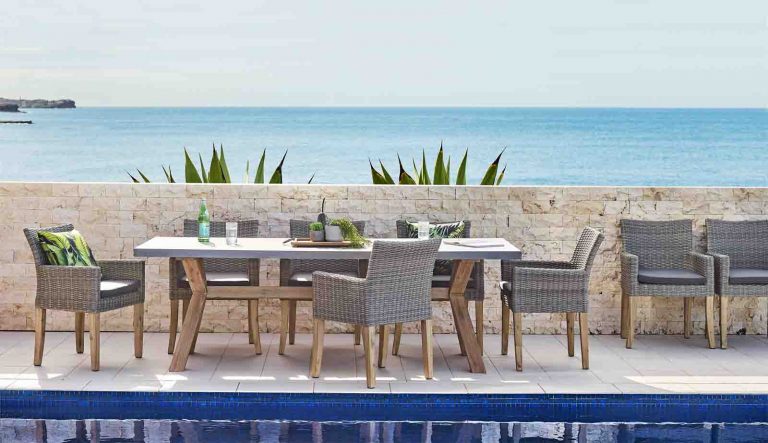
What are the key features to consider when shopping for outdoor furniture?
When shopping for outdoor furniture, there are several key features to consider to ensure you choose the right pieces for your needs and preferences. Here are the key features to keep in mind:
1. Material: The material of the outdoor furniture is crucial as it determines its durability, resistance to the elements, and maintenance requirements. Common materials include teak, aluminum, wrought iron, HDPE wicker, steel, and recycled plastic. Consider the weather conditions, level of maintenance you’re willing to invest, and the desired aesthetic when selecting the material.
2. Comfort: Outdoor furniture should be comfortable for you and your guests to enjoy. Look for features such as ergonomic design, supportive cushions, and adjustable elements like reclining chairs or ottomans. Test the furniture in person, if possible, to ensure it provides the desired level of comfort.
3. Style and Design: Outdoor furniture comes in a variety of styles and designs to suit different tastes and outdoor aesthetics. Consider the overall style of your outdoor space and choose furniture that complements it. Whether you prefer modern, traditional, rustic, or eclectic designs, select furniture that enhances the visual appeal of your patio, deck, or garden.
4. Size and Scale: Before purchasing outdoor furniture, measure the available space and consider the scale of the furniture in relation to the area. Oversized furniture can make a small space feel cramped, while furniture that is too small may look out of place. Ensure the furniture fits well and allows for comfortable movement around it.
5. Functionality: Think about how you plan to use your outdoor space and choose furniture that caters to those needs. Whether you want a dining set for outdoor meals, a lounge area for relaxation, or versatile pieces that can serve multiple purposes, prioritize functionality when selecting outdoor furniture.
6. Maintenance Requirements: Different types of outdoor furniture have varying maintenance requirements. Consider the level of maintenance you’re willing to undertake. Some materials may require regular cleaning, staining, or protective treatments, while others are low-maintenance and only need occasional cleaning. Choose furniture that aligns with your maintenance preferences and capabilities.
7. Budget: Set a budget for your outdoor furniture purchase and consider the quality and longevity of the furniture within that budget. While affordability is important, prioritize quality and durability to ensure your outdoor furniture lasts for years to come.
By considering these key features when shopping for outdoor furniture, you can make informed decisions and select pieces that meet your needs, style, and budget.
editor by CX 2023-10-18
China manufacturer Hot Sale Wicker Sofa Set Garden Furniture Patio Outdoor Sofa vacuum pump electric
Product Description
Brighthome can supply aluminum furniture, aluminum sofa, bench, stainless steel furniture, outdoor furniture, Outdoor Sofa, Garden Sofa, Rattan Sofa, Leisure Sofa, garden Furniture, patio furniture, leisure furniture etc.
Product Description
Feature:
| 1.Stylish, contemporary design. |
|
2.Flexible with different design arrangement. |
| 3.Lightweight, durable and easy to be relocated. |
| 4.Powder-coated aluminum frame |
| 5. Cushion with waterproof fabric and high density sponge |
| 6. High quality PE rattan passed 3000 hou rs UV-resistant test.,Skill weaving by handcraft |
| 7.Ideal for indoor lobby, café, outdoor patio, garden and backyard |
Size and material:
| Table | Ф86*76cm | aluminum+ PE(Rattan)+glass top |
| Chair | 55*56*72cm | aluminum+ PE(Rattan) |
More photo for this collection:
Detailed material of the product:
| Frame |
Aluminum, thickness:1.2mm,1.5mm,2.0mm |
|
PE Rattan |
Passed 3000 hours UV-resistant test,SGS test,weatherproof,easy for cleaning, environmental protection |
| Cushion |
1)38 high density sponge + normal outdoor fabric 2)38 high density sponge + Sunproof Fabric 3)Quick Dry Foam + Sunproof Fabric 4)Quick Dry Foam + Sunbrella Fabric |
|
Cushion thickness |
5cm-15cm |
| Glass Top | Tempered glass, 5mm-8mm thickness |
| Glass color | Clear,Grey,Coffee,Frosted |
1)Aluminum Frame — Powder-coated, 1.5mm – 2.0mm thickness:
2)Powder Coating:
3)PE Rattan — Passed 3000 hours UV-resistant test, SGS test:
4)Cushion fabric — Waterproof and UV-resistant:
More details:
| The mini order quantity: |
1)Normally, the MOQ is a 40HQ container. And, it is acceptable to mix loading with 2-3 models in a container. |
| The delivery time: | It depends on your order quantity. Normally, it is 35 working days |
| Payment terms: | 30% deposit with PI by T/T and 70% balance before shipment by T/T or by L/C at sight. |
| Packaging: | 1)Paper board and bubble film 2)We can do as your special requirement. |
| Material: | Rattan / Wicker |
|---|---|
| Style: | European |
| Usage: | Outdoor |
| Folded: | Unfolded |
| Customized: | Customized |
| Condition: | Used |
| Samples: |
US$ 825/Piece
1 Piece(Min.Order) | |
|---|
| Customization: |
Available
|
|
|---|
Can I repurpose indoor furniture for outdoor use with the right treatment?
Repurposing indoor furniture for outdoor use is possible with the right treatment and considerations. Here are some important points to keep in mind:
1. Furniture Material:
Consider the material of the indoor furniture before repurposing it for outdoor use. Certain materials are better suited for outdoor conditions, such as teak, aluminum, wrought iron, and certain types of synthetic materials. These materials are more resistant to moisture, UV rays, and other outdoor elements.
2. Moisture and Waterproofing:
Outdoor environments expose furniture to moisture, rain, and humidity. To repurpose indoor furniture for outdoor use, it’s essential to ensure it is adequately protected against moisture. Use waterproofing treatments, sealants, or outdoor-grade paints to create a protective barrier that prevents water absorption and helps prevent warping, rotting, or mold growth.
3. UV Protection:
Indoor furniture is not designed to withstand prolonged exposure to direct sunlight. UV rays can cause fading, discoloration, and deterioration of materials. Apply UV-resistant finishes or use protective covers to shield the repurposed furniture from excessive sunlight. Additionally, consider placing the furniture in shaded areas to minimize direct UV exposure.
4. Maintenance Requirements:
Outdoor furniture typically requires more maintenance compared to indoor furniture. Before repurposing indoor furniture, be prepared to invest time and effort into regular cleaning, inspections, and maintenance. Follow the manufacturer’s instructions for care and maintenance, including cleaning techniques, recommended cleaning products, and frequency of maintenance tasks.
5. Consider Climate and Weather:
Take into account the climate and weather conditions of your area. If you live in an area with extreme temperatures, high humidity, or frequent rain, the repurposed indoor furniture may be more susceptible to damage. Assess whether the furniture can withstand the local climate and weather patterns before repurposing it for outdoor use.
6. Safety Considerations:
Ensure that repurposed indoor furniture is safe for outdoor use. Check for stability, structural integrity, and any potential hazards. Outdoor furniture needs to withstand environmental factors such as wind, rain, and uneven surfaces. Reinforce or repair any weak or damaged areas to ensure the safety of users.
7. Longevity and Lifespan:
Repurposed indoor furniture may have a shorter lifespan when used outdoors due to the harsher conditions. Consider the expected longevity of the repurposed furniture and determine if it aligns with your needs and expectations. Keep in mind that even with proper treatment, the furniture may still wear out faster than purpose-built outdoor furniture.
8. Personal Style and Aesthetics:
Repurposing indoor furniture for outdoor use allows you to bring your personal style and aesthetics into your outdoor space. Consider the design, colors, and overall look of the furniture to ensure it complements your outdoor environment and desired aesthetic.
While it is possible to repurpose indoor furniture for outdoor use with the right treatment, it’s important to carefully evaluate the suitability of the furniture and consider the factors mentioned above. Adhering to proper treatment methods and maintenance routines can help extend the lifespan of repurposed furniture and enhance your outdoor living experience.
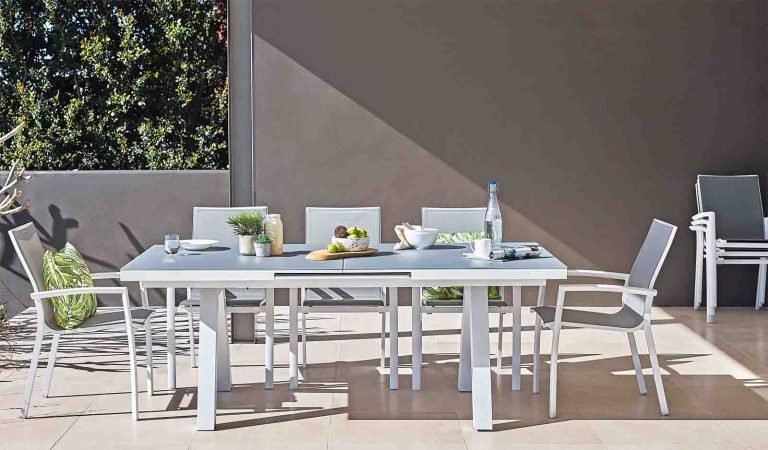
Are there any child-friendly garden furniture options for families with young children?
Yes, there are several child-friendly garden furniture options available that are suitable for families with young children. Here are some options to consider:
1. Plastic Furniture:
Plastic furniture is a popular choice for families with young children due to its durability, easy maintenance, and safety features. Look for furniture made from high-quality, non-toxic plastic materials that are free from sharp edges or corners. Plastic furniture is lightweight, making it easy for children to move around, and it can be easily cleaned with soap and water.
2. Rounded Edges and Soft Cushions:
When selecting garden furniture, choose options with rounded edges and corners to minimize the risk of injuries. Look for furniture with soft cushions or padding that provide additional comfort and safety for children. Cushions should be made from durable, water-resistant materials that are easy to clean.
3. Picnic Tables or Benches:
Picnic tables or benches designed specifically for children can be a great addition to a family-friendly garden. These tables are usually smaller in size and feature child-sized seating, making them comfortable and accessible for young children. Look for picnic tables or benches made from sturdy materials such as wood or plastic.
4. Outdoor Playsets with Built-in Seating:
Consider incorporating outdoor playsets that include built-in seating areas. These playsets often have child-friendly designs, such as miniature picnic tables or benches, integrated into the play structure. This allows children to have their own space to sit and play while enjoying the outdoors.
5. Adjustable Furniture:
Opt for garden furniture with adjustable features that can grow with your children. Adjustable tables and chairs can be modified to accommodate different heights and ages, ensuring long-term usability and comfort for your family.
6. Safety Considerations:
When selecting child-friendly garden furniture, prioritize safety features. Ensure that the furniture is stable, sturdy, and designed with child safety in mind. Check for additional safety features such as non-slip feet or straps to prevent tipping or sliding. Avoid furniture with small parts or components that could pose a choking hazard.
7. Weather Resistance:
Choose garden furniture that is weather-resistant and can withstand outdoor conditions. Look for furniture made from materials such as treated wood, durable plastic, or weather-resistant metal. Consider using furniture covers to protect the furniture when not in use and prolong its lifespan.
8. Bright Colors and Fun Designs:
Children are often attracted to bright colors and fun designs. Look for garden furniture options that feature vibrant colors or playful patterns to create an engaging and visually appealing outdoor space for your children.
By considering these child-friendly options, you can create a safe and enjoyable outdoor environment for your family with young children. Remember to supervise children while they are using the furniture and teach them proper safety practices to ensure their well-being.
What types of cushions and fabrics are ideal for garden furniture?
When choosing cushions and fabrics for your garden furniture, it’s important to consider durability, weather resistance, comfort, and ease of maintenance. Here are some types of cushions and fabrics that are ideal for garden furniture:
1. Outdoor-Specific Fabrics:
Look for fabrics specifically designed for outdoor use. These fabrics are typically made from synthetic materials that are resistant to fading, mold, mildew, and moisture. They are often treated to be UV-resistant, which helps prevent color fading due to sun exposure. Examples of outdoor-specific fabrics include solution-dyed acrylic, polyester, or vinyl-coated fabrics.
2. Sunbrella:
Sunbrella is a well-known brand of outdoor fabric that is highly durable and fade-resistant. It is made from solution-dyed acrylic fibers, which are known for their resistance to UV rays, moisture, and stains. Sunbrella fabrics come in a wide range of colors and patterns, allowing you to find options that suit your style.
3. Olefin:
Olefin is another popular synthetic fabric for outdoor use. It is resistant to water, stains, and fading. Olefin fabric is often used for cushions and upholstery due to its durability and affordability. It is available in a variety of colors and patterns.
4. Quick-Drying Foam:
When it comes to cushion fillings, quick-drying foam is an excellent choice for garden furniture. This type of foam has an open-cell structure that allows water to drain quickly, preventing the buildup of moisture. Quick-drying foam helps keep your cushions dry and prevents the growth of mold or mildew.
5. Water-Resistant Cushion Covers:
Ensure that your cushion covers are water-resistant to protect the foam filling from getting wet. Look for covers made from fabrics that repel water and are easy to clean. Water-resistant cushion covers help maintain the integrity of the cushions and make them more resistant to the outdoor elements.
6. Removable and Washable Covers:
Opt for cushions with removable and washable covers. This allows you to easily clean the fabric and remove any stains or dirt that may accumulate over time. Removable covers also give you the flexibility to change the look of your garden furniture by swapping out covers or patterns.
7. Mildew-Resistant Materials:
Choose fabrics and cushion fillings that are resistant to mildew. Mildew can thrive in damp environments, so selecting materials that inhibit its growth is important for maintaining a clean and hygienic outdoor seating area.
When selecting cushions and fabrics for your garden furniture, consider the specific climate and weather conditions in your area. Additionally, follow the manufacturer’s instructions for care and maintenance to ensure the longevity of your cushions and fabrics.
editor by CX 2023-10-18
China high quality Deluxe Garden Furniture Leisure Outdoor Gazebo Patio Swing Chair with Mosquito Netting vacuum pump belt
Product Description
Deluxe Garden Furniture Leisure Outdoor Gazebo Patio Swing Chair With Mosquito Netting
| Product Name | Outdoor Gazebo |
| Colour | Optional |
| Transport packge | 1PC Per Brown Export Carton |
| Frame Material | Metal PU Coated |
| Sample Time | 7-10 Days |
| Shape: | Quad |
|---|---|
| Frame Material: | Steel |
| Sail Material: | Polyester |
| Sail Finishing: | PU Coated |
| Condition: | New |
| Customized: | Customized |
| Samples: |
US$ 252/Piece
1 Piece(Min.Order) | |
|---|
| Customization: |
Available
|
|
|---|
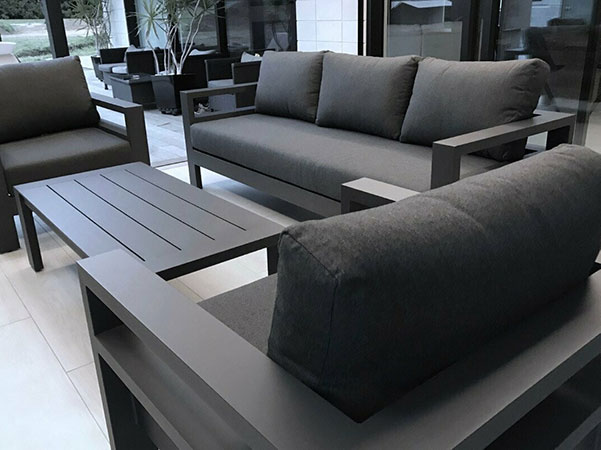
How can I arrange my garden furniture for comfortable outdoor gatherings?
To create a comfortable and inviting outdoor gathering space, the arrangement of your garden furniture plays a crucial role. Here are some tips to help you arrange your garden furniture for comfortable outdoor gatherings:
1. Determine the Focal Point:
Identify a focal point in your outdoor space, such as a fireplace, a garden feature, or a scenic view. Arrange your furniture to face this focal point, creating a visually appealing and functional layout.
2. Consider the Function:
Think about the purpose of your outdoor gatherings. Do you plan to have meals, conversations, or both? Consider the activities you intend to host and arrange the furniture accordingly. For dining-focused gatherings, position a dining table and chairs in a central location. For more conversational gatherings, create cozy seating arrangements with sofas, chairs, and coffee tables.
3. Create Conversation Areas:
Arrange your furniture to facilitate conversation and interaction among your guests. Place seating pieces facing each other, forming intimate conversation areas. Ensure there is enough space for easy movement and flow between the different seating arrangements.
4. Provide Ample Seating:
Ensure you have enough seating to accommodate your guests comfortably. Mix and match seating options such as chairs, benches, and outdoor sofas to offer variety and cater to different preferences. Consider adding cushions and pillows for extra comfort.
5. Provide Shade:
If your outdoor space is exposed to direct sunlight, consider providing shade to keep your guests comfortable. You can use umbrellas, pergolas, or shade sails to create shaded areas where people can gather without being exposed to excessive sunlight.
6. Arrange for Easy Access:
Arrange your furniture in a way that allows easy access to all areas. Ensure there are clear pathways and sufficient space for guests to move around comfortably. Avoid placing furniture in narrow or congested areas that may hinder movement.
7. Add Outdoor Accessories:
Enhance the comfort and ambiance of your outdoor gathering space by incorporating outdoor accessories. Consider adding outdoor rugs, side tables, decorative lighting, and potted plants to create a welcoming and cozy atmosphere.
8. Consider Weather Protection:
Depending on your climate, consider incorporating weather protection elements into your furniture arrangement. This can include adding a pergola, awning, or outdoor curtains to shield your guests from rain or strong winds.
9. Test the Layout:
Before finalizing the arrangement, physically test the layout by sitting in different seats and assessing the comfort and functionality. Make any necessary adjustments to ensure that the seating positions, table heights, and overall flow work well for your outdoor gatherings.
By considering the function, comfort, and aesthetics of your outdoor space, you can arrange your garden furniture in a way that promotes comfortable and enjoyable outdoor gatherings. Experiment with different layouts and configurations to find the arrangement that best suits your needs and creates a welcoming environment for your guests.
Can I find garden furniture that is both stylish and easy to clean?
Yes, it is possible to find garden furniture that is both stylish and easy to clean. With advancements in materials and design, there are numerous options available that combine aesthetic appeal with practicality. Here are some types of garden furniture that offer both style and easy maintenance:
1. Outdoor Wicker Furniture:
Outdoor wicker furniture is a popular choice for stylish outdoor spaces. It is typically made from synthetic wicker or resin wicker, which are resistant to weather conditions, UV rays, and easy to clean. Simply wipe the furniture with a damp cloth or use a mild soap and water solution for tougher stains. Wicker furniture is available in a variety of colors and styles, allowing you to find a design that suits your taste.
2. Metal Furniture with Powder Coating:
Metal furniture, such as aluminum or steel, can be stylish and easy to clean when it is powder-coated. Powder coating involves applying a dry powder paint to the metal surface, which then fuses into a protective layer. This coating not only adds style with a range of color options but also provides durability and makes the furniture easy to wipe clean. Metal furniture with powder coating is resistant to rust, fading, and chipping.
3. Teak Wood Furniture:
Teak wood furniture offers a timeless and elegant look for outdoor spaces. It is naturally resistant to moisture, decay, and insects. Teak wood contains oils that help repel dirt and stains, making it relatively easy to clean. Regular maintenance involves cleaning the furniture with a mild soap and water solution and applying teak oil periodically to maintain its appearance. Teak furniture is available in various designs and can enhance the style of any garden.
4. Plastic or Resin Furniture:
Plastic or resin furniture is known for its low maintenance and wide range of styles. This type of furniture is lightweight, durable, and resistant to weather elements. It can be easily cleaned with a sponge or cloth and a mild detergent. Plastic or resin furniture is available in different colors and designs, allowing you to find options that match your preferred style.
5. Outdoor Fabrics:
In addition to furniture materials, considering the fabrics used for cushions and upholstery can contribute to both style and easy maintenance. Look for outdoor fabrics that are specifically designed to withstand UV rays, moisture, and stains. These fabrics are often water-resistant or water-repellent and can be easily cleaned with a damp cloth or mild soap and water solution.
By choosing garden furniture made from materials that are easy to clean and maintain, you can enjoy both style and convenience in your outdoor space. Regular cleaning and proper care will help preserve the appearance and longevity of your furniture, allowing you to enjoy it for years to come.
What types of cushions and fabrics are ideal for garden furniture?
When choosing cushions and fabrics for your garden furniture, it’s important to consider durability, weather resistance, comfort, and ease of maintenance. Here are some types of cushions and fabrics that are ideal for garden furniture:
1. Outdoor-Specific Fabrics:
Look for fabrics specifically designed for outdoor use. These fabrics are typically made from synthetic materials that are resistant to fading, mold, mildew, and moisture. They are often treated to be UV-resistant, which helps prevent color fading due to sun exposure. Examples of outdoor-specific fabrics include solution-dyed acrylic, polyester, or vinyl-coated fabrics.
2. Sunbrella:
Sunbrella is a well-known brand of outdoor fabric that is highly durable and fade-resistant. It is made from solution-dyed acrylic fibers, which are known for their resistance to UV rays, moisture, and stains. Sunbrella fabrics come in a wide range of colors and patterns, allowing you to find options that suit your style.
3. Olefin:
Olefin is another popular synthetic fabric for outdoor use. It is resistant to water, stains, and fading. Olefin fabric is often used for cushions and upholstery due to its durability and affordability. It is available in a variety of colors and patterns.
4. Quick-Drying Foam:
When it comes to cushion fillings, quick-drying foam is an excellent choice for garden furniture. This type of foam has an open-cell structure that allows water to drain quickly, preventing the buildup of moisture. Quick-drying foam helps keep your cushions dry and prevents the growth of mold or mildew.
5. Water-Resistant Cushion Covers:
Ensure that your cushion covers are water-resistant to protect the foam filling from getting wet. Look for covers made from fabrics that repel water and are easy to clean. Water-resistant cushion covers help maintain the integrity of the cushions and make them more resistant to the outdoor elements.
6. Removable and Washable Covers:
Opt for cushions with removable and washable covers. This allows you to easily clean the fabric and remove any stains or dirt that may accumulate over time. Removable covers also give you the flexibility to change the look of your garden furniture by swapping out covers or patterns.
7. Mildew-Resistant Materials:
Choose fabrics and cushion fillings that are resistant to mildew. Mildew can thrive in damp environments, so selecting materials that inhibit its growth is important for maintaining a clean and hygienic outdoor seating area.
When selecting cushions and fabrics for your garden furniture, consider the specific climate and weather conditions in your area. Additionally, follow the manufacturer’s instructions for care and maintenance to ensure the longevity of your cushions and fabrics.
editor by CX 2023-10-18