Product Description
Product Description
| Goods NO: | JYF2 square CHINAMFG of company building area. It has more than 600 fixed staff, including 30 management staff and 20 technical personnel. We are approved of qualification both in import and export.
Xihu (West Lake) Dis. Household has professional administration and management system and strict product standard. The company introduces advanced technical production line equipment.It has professional design and development team,which also combines research &development ,manufacture and sales in one.All the production is carried out in accordance with standardization. The company has acquired ISO9001, ISO14001, ISO45001 system certification and BSCI report . The environmental-friendly material is adopted in production. We specialize in outdoor furniture including hanging chair ,sofa, dining table, dining chair , lounge chair, and decorative accessories etc.. “Quality first, Integrity-based” is the philosophy we always carry on. Our products have been exported to over 30 countries such as United States, the United Kingdom, Germany, Holland, France, Japan, Korea, Australia etc. In 2571, the annual sales volume of Xihu (West Lake) Dis. Household has amounted to RMB187 Million and the foreign exchange revenue has reached 27.04 million US Dollars. HangZhoun Household was awarded of “key export enterprise of national culture product” and acquired a series of national and provincial honor. The company and its products were reported deeply by all mainstream media.
How do I prevent mold and mildew from developing on garden furniture cushions?Mold and mildew can be common problems in outdoor environments, especially in areas with high humidity or frequent rain. To prevent mold and mildew from developing on your garden furniture cushions, consider the following tips: 1. Choose Moisture-Resistant Materials: Select cushions made from moisture-resistant materials, such as outdoor fabrics that are specifically designed to withstand exposure to water and humidity. Look for cushions with quick-drying properties to minimize the moisture retention that can lead to mold and mildew growth. 2. Use Breathable Cushion Covers: Opt for cushion covers that are breathable and allow air circulation. Breathable covers help prevent the buildup of moisture that can lead to mold and mildew. Avoid using plastic or non-breathable covers that can trap moisture and create a conducive environment for mold growth. 3. Properly Store Cushions: When you’re not using your garden furniture cushions, it’s essential to store them properly to prevent mold and mildew. Ensure the cushions are completely dry before storing them. If they are damp, mold can develop during storage. Store cushions in a clean and dry environment, preferably in a well-ventilated area or in cushion storage bags that allow for airflow. 4. Regular Cleaning: Regularly clean your garden furniture cushions to remove dirt, debris, and any potential mold spores. Follow the manufacturer’s instructions for cleaning the cushions. In most cases, you can spot clean with a mild soap and water solution. Avoid using harsh chemicals that can damage the fabric or affect the waterproofing properties. 5. Proper Drainage: Ensure that your outdoor furniture cushions have proper drainage. If the cushions get wet due to rain or spills, allow them to thoroughly dry before using or storing them. Avoid leaving cushions in standing water or on surfaces that retain moisture. 6. Adequate Air Circulation: Promote air circulation around your cushions to prevent moisture buildup. Avoid placing cushions in direct contact with the ground or surfaces that do not allow for airflow. Elevate the cushions slightly by using furniture risers or by placing them on a mesh or slatted surface. 7. Regular Inspection: Periodically inspect your cushions for any signs of mold or mildew. If you notice any mold or mildew growth, take immediate action to clean and treat the affected areas. Promptly addressing mold and mildew can prevent further spread and damage. 8. Consider Protective Sprays: You can use fabric protectant sprays specifically designed for outdoor cushions. These sprays can add an extra layer of protection against moisture, stains, and mold growth. Follow the manufacturer’s instructions for application. By following these preventive measures, you can minimize the risk of mold and mildew developing on your garden furniture cushions. Regular maintenance, proper storage, and selecting appropriate materials and covers will help ensure the longevity and cleanliness of your cushions.
What are the top considerations for selecting garden furniture near a pool?When selecting garden furniture to be placed near a pool, there are several important considerations to keep in mind. These considerations help ensure that the furniture is suitable for the poolside environment and enhances your outdoor experience. Here are the top factors to consider: 1. Material Durability: Choose garden furniture made from materials that are durable and can withstand exposure to water, sunlight, and pool chemicals. Common materials for poolside furniture include aluminum, teak, wrought iron, resin wicker, and certain types of plastic. These materials are known for their resistance to rust, fading, and deterioration in outdoor settings. 2. Water and Moisture Resistance: Opt for furniture that is water and moisture resistant, as it will be exposed to splashes from the pool and occasional wet conditions. Look for cushions and upholstery made from quick-drying and water-resistant fabrics. Additionally, consider furniture with slatted designs or mesh materials that allow for better water drainage and airflow. 3. UV Resistance: Ensure that the garden furniture you choose is UV resistant to protect it from sun damage. Prolonged exposure to sunlight can cause fading, discoloration, and deterioration of materials. Look for furniture with UV-resistant finishes or materials that are specially designed to withstand the sun’s rays. 4. Easy Maintenance: Select furniture that is easy to clean and maintain, as poolside areas can be prone to dirt, splashes, and other debris. Consider furniture with smooth surfaces, stain-resistant fabrics, or removable and washable cushion covers. Furniture that requires minimal upkeep will save you time and effort in the long run. 5. Comfort and Ergonomics: Choose poolside furniture that offers comfort and ergonomic support. Look for chairs and loungers with adjustable features, such as reclining backrests and removable cushions. Additionally, consider furniture with armrests and supportive seating that allows for comfortable relaxation by the pool. 6. Safety Features: Prioritize safety when selecting garden furniture near a pool. Avoid furniture with sharp edges or protruding parts that could pose a hazard, especially if you have children or pets. Opt for furniture with stable and sturdy construction that can withstand accidental bumps or knocks. 7. Style and Aesthetics: Consider the style and aesthetics of the garden furniture to ensure it complements the overall poolside area. Choose furniture that aligns with your preferred design theme and enhances the visual appeal of the space. Whether you prefer modern, contemporary, or more traditional styles, select furniture that harmonizes with your outdoor environment. 8. Portability and Storage: If you prefer flexibility or need to store the furniture during certain seasons, consider the portability and storage options. Look for lightweight furniture that is easy to move around, especially if you plan to rearrange the seating arrangement. Additionally, consider folding or stackable furniture that can be conveniently stored when not in use. By considering these factors, you can choose garden furniture that is well-suited for the poolside environment, enhances your outdoor space, and provides comfort and durability for years to come.
How do I choose the right garden furniture set for my outdoor space?Choosing the right garden furniture set for your outdoor space involves considering several factors such as space availability, functionality, style, and budget. Here are some steps to help you make the right decision: 1. Assess Your Outdoor Space: Start by evaluating the available space in your outdoor area. Measure the dimensions and consider any specific features or limitations, such as uneven terrain or existing structures. This will help you determine the appropriate size and layout for your furniture set. 2. Define Your Purpose: Consider how you plan to use your outdoor space. Do you want a dining area for hosting meals, a cozy seating area for relaxation, or a combination of both? Defining your purpose will guide your choices in terms of the type of furniture set you need. 3. Consider Durability and Weather Resistance: Since garden furniture is exposed to outdoor elements, choose materials that are durable and weather-resistant. Look for options such as teak, aluminum, or synthetic wicker that can withstand various weather conditions without deteriorating. 4. Evaluate Comfort and Ergonomics: Comfort is key when selecting garden furniture. Test the seating options to ensure they provide adequate support and cushioning. Consider ergonomic features such as adjustable backrests or armrests for added comfort. 5. Match Your Style and Aesthetic: Choose a furniture set that complements your outdoor space and reflects your personal style. Consider the overall aesthetic, whether it’s modern, rustic, or traditional. Look for furniture sets that align with your chosen theme and color palette. 6. Opt for Low-Maintenance Options: Consider the level of maintenance required for the furniture set. Some materials, like teak or aluminum, require minimal upkeep, while others may need regular cleaning or refinishing. Assess your willingness and ability to maintain the furniture set over time. 7. Test Quality and Construction: Inspect the quality and construction of the furniture set before making a purchase. Check for sturdy frames, secure joints, and durable finishes. Sit on the chairs and test the stability. Quality craftsmanship will ensure the longevity of your furniture set. 8. Set a Realistic Budget: Establish a budget for your garden furniture set and stick to it. Consider the long-term investment and choose a set that offers good value for your money. Balance cost with quality and durability to make an informed decision. 9. Read Reviews and Seek Recommendations: Before finalizing your choice, read customer reviews and seek recommendations from friends or family who have purchased similar furniture sets. Their experiences can provide valuable insights and help you make an informed decision. By following these steps and considering your specific needs and preferences, you can choose the right garden furniture set that enhances your outdoor space and provides a comfortable and enjoyable environment for relaxation or entertainment. editor by CX 2023-10-23 China Professional Luxury Modern Design Garden Sofa Set CHINAMFG Rope Outdoor Furniture vacuum pump adapterProduct Description
Luxury Modern Design Garden Sofa Set CHINAMFG Rope Outdoor Furniture
Customers Always Ask: 2. Where is your factory? 3. Can you offer special discounts to the wholesaler or we make big quantity? 4. What is your delivery time? 5. Can you arrange the shipment by door to door? 6. Do I have to assemble all items by myself or by my customer himself? 7. What’s your warranty? 8. What payment do you accept? Contact
What types of cushions and fabrics pair well with aluminum garden furniture?When choosing cushions and fabrics to pair with aluminum garden furniture, it’s important to consider both style and practicality. Here are some types of cushions and fabrics that work well with aluminum furniture: 1. Outdoor-Specific Fabrics: Opt for fabrics that are specifically designed for outdoor use. These fabrics are typically made from durable materials that are resistant to fading, mildew, and moisture. Examples include solution-dyed acrylic, polyester, or olefin fabrics. They are often treated to withstand UV rays and are easy to clean. 2. Water-Resistant or Waterproof Fabrics: Consider using water-resistant or waterproof fabrics for your cushions. These fabrics have a protective coating or treatment that repels water and prevents it from seeping into the cushions. They are particularly useful for areas with frequent rain or high humidity. 3. Fade-Resistant Fabrics: Choose fabrics that are fade-resistant to ensure long-lasting vibrant colors. Fabrics with UV protection or those that have been solution-dyed tend to resist fading when exposed to sunlight. This is especially important if your furniture is placed in a sunny area. 4. Quick-Drying Cushions: Consider cushions with quick-drying properties, especially if your furniture is exposed to rain or if you live in a humid climate. These cushions are designed to allow water to drain quickly, preventing moisture buildup and reducing the risk of mold and mildew. 5. Cushion Fill: Consider the type of cushion fill that pairs well with aluminum furniture. Popular options include foam, polyester fiberfill, or a combination of both. Foam provides firm support, while polyester fiberfill offers a softer feel. Choose a cushion fill that suits your comfort preferences. 6. Color and Design: Select cushion colors and designs that complement your aluminum furniture and your outdoor space. Opt for colors that coordinate with the surrounding environment or choose patterns and textures that add visual interest to the overall aesthetic. 7. Removable and Washable Covers: Look for cushions with removable and washable covers. This feature allows for easy cleaning and maintenance, ensuring that your cushions stay fresh and free from dirt and stains. Check the care instructions to ensure that the covers can be safely machine-washed or spot-cleaned. By considering outdoor-specific fabrics, water-resistant or waterproof options, fade-resistant fabrics, quick-drying cushions, cushion fill, color and design choices, and removable and washable covers, you can select cushions and fabrics that not only enhance the comfort and style of your aluminum garden furniture but also withstand outdoor conditions for long-lasting enjoyment.
How do I prevent mold and mildew from developing on aluminum garden furniture cushions?To prevent mold and mildew from developing on aluminum garden furniture cushions, you can take several preventive measures. Here are some effective methods to consider: 1. Proper Storage: When not in use, it’s essential to store your aluminum garden furniture cushions properly. Make sure to remove the cushions from the furniture and store them in a dry and well-ventilated area. Avoid storing them in damp or humid environments, as this can encourage mold and mildew growth. 2. Regular Cleaning: Regularly cleaning your aluminum garden furniture cushions is crucial for preventing mold and mildew. Use a mild detergent or specialized fabric cleaner to clean the cushions, following the manufacturer’s instructions. Scrub gently with a soft brush or sponge and rinse thoroughly with water. Allow the cushions to dry completely before placing them back on the furniture. 3. Adequate Air Circulation: Proper air circulation is essential to prevent mold and mildew growth. Avoid covering the cushions with impermeable materials, such as plastic or vinyl covers, for extended periods. These covers can trap moisture and create a favorable environment for mold and mildew. Instead, use breathable covers or consider removing the cushions during periods of high humidity or rain. 4. Use of Moisture Barriers: Consider using moisture barriers between the cushions and the furniture to prevent moisture buildup. There are various options available, such as waterproof cushion covers, moisture-resistant fabric liners, or adding a layer of waterproof material between the cushions and the furniture. These barriers can help repel moisture and inhibit the growth of mold and mildew. 5. Regular Inspection: Regularly inspect your aluminum garden furniture cushions for any signs of mold or mildew. Check for visible stains, discoloration, or musty odors, which may indicate the presence of mold or mildew. If you notice any signs, take immediate action to clean and treat the affected areas using appropriate mold and mildew cleaners or solutions. 6. Sun Exposure: Exposing your cushions to sunlight can help prevent mold and mildew growth. Mold and mildew thrive in dark and damp conditions, so placing your cushions in direct sunlight periodically can help dry out any moisture and inhibit their growth. However, be cautious not to expose the cushions to excessive sunlight for extended periods, as it can cause fading or damage to the fabric. By implementing these preventive measures, you can significantly reduce the risk of mold and mildew development on your aluminum garden furniture cushions. Regular maintenance and proper care will help ensure that your cushions remain clean, fresh, and mold-free, allowing you to enjoy your outdoor space comfortably.
Can you recommend affordable options for aluminum garden furniture sets?If you’re looking for affordable options for aluminum garden furniture sets, there are several brands and retailers that offer budget-friendly choices. Here are some recommendations for affordable aluminum garden furniture sets: 1. IKEA: IKEA is known for its affordable furniture options, and they offer a variety of aluminum garden furniture sets at budget-friendly prices. They have a range of styles and designs to choose from, suitable for different outdoor spaces and preferences. 2. Amazon Basics: Amazon Basics is Amazon’s own brand that offers a wide range of products at affordable prices. They have aluminum garden furniture sets that are competitively priced and often come with positive customer reviews. 3. Walmart: Walmart is a popular retailer that offers a range of affordable outdoor furniture options, including aluminum garden furniture sets. They have a variety of styles and sizes available, allowing you to find a set that fits your budget and outdoor space. 4. Target: Target is another retailer that offers affordable and stylish aluminum garden furniture sets. They often have seasonal sales and promotions, making it a good place to find budget-friendly options. 5. Wayfair: Wayfair is an online furniture retailer that offers a wide selection of aluminum garden furniture sets at various price points. They have frequent sales and deals, allowing you to find affordable options without compromising on quality or style. 6. Local Discount Stores: Check your local discount stores or home improvement stores for discounted aluminum garden furniture sets. These stores often carry budget-friendly options, especially during the off-season or clearance sales. When searching for affordable aluminum garden furniture sets, it’s important to compare prices, read customer reviews, and consider the quality and durability of the furniture. Look for sets that offer a good balance between affordability and functionality. Remember to also consider factors such as warranty, customer service, and any additional features or accessories included with the set. With careful research and comparison, you can find affordable aluminum garden furniture sets that meet your needs and budget. editor by CX 2023-10-23 China OEM Modern Rope Weaving Garden Patio Outdoor Hotel Balcony Home Leisure Sofa Set Furniture vacuum pump brakesProduct Description
Product DescriptionProduct Description
HangZhou CHINAMFG outdoor furniture
ZheJiang Factory Rope Woven Mesh Outdoor Hotel Garden Lounge CHINAMFG Deep Seat Lazy Sofa Set
recommended for you
Service
Company Profile
FAQ FAQ ——————————————————————————————————————————————— 2. Can I buy samples placing orders? 3.What is your lead time? -Usually we can ship within 7-15 days for small quantity,and about 30 days for large quantity. 4.What is your payment term? 5.What is the shipping method? 6.How do you make ourbusiness long-term and good relationship?
How do I clean mold and mildew from outdoor furniture cushions?Mold and mildew can develop on outdoor furniture cushions due to exposure to moisture and lack of proper ventilation. Here’s a step-by-step guide to cleaning mold and mildew from your outdoor furniture cushions: 1. Safety Precautions: Before starting the cleaning process, make sure to wear protective gloves and a mask to avoid direct contact with mold spores. 2. Brushing: Begin by using a soft-bristle brush or a toothbrush to gently scrub the affected areas of the cushions. This will help loosen the mold or mildew and remove any surface debris. 3. Vacuuming: Use a vacuum cleaner with a brush attachment to thoroughly vacuum the cushions. This will help remove any loose mold spores or debris. 4. Cleaning Solution: Prepare a cleaning solution by mixing one part mild dish soap or laundry detergent with four parts warm water. Avoid using bleach or harsh chemicals, as they can damage the fabric. 5. Spot Testing: Before applying the cleaning solution to the entire cushion, perform a spot test on a small, inconspicuous area to ensure that it does not cause any discoloration or damage. 6. Cleaning: Dip a sponge or soft cloth into the cleaning solution and gently scrub the affected areas of the cushions. Work in small sections and avoid oversaturating the fabric. 7. Rinsing: After cleaning, rinse the cushions thoroughly with clean water to remove any soap residue. This can be done using a garden hose or by wiping the cushions with a damp cloth. 8. Drying: Allow the cushions to air dry completely in a well-ventilated area. Avoid placing them in direct sunlight, as this can cause fading or damage to the fabric. 9. Prevention: To prevent future mold and mildew growth, ensure proper ventilation for your outdoor furniture. Avoid leaving cushions exposed to prolonged moisture or rain. If possible, store the cushions in a dry place during periods of non-use. If the mold or mildew stains persist after cleaning, you may need to repeat the process or consider using a specialized mold and mildew cleaner. Follow the instructions provided by the manufacturer for best results. Regular maintenance and cleaning of outdoor furniture cushions can help prevent mold and mildew growth. It’s recommended to clean the cushions at least once a season or more frequently if needed.
Are there any innovative outdoor furniture designs or trends to consider?Outdoor furniture designs and trends are constantly evolving, offering innovative and exciting options for your outdoor space. Here are some notable designs and trends to consider: 1. Modular and Flexible Designs: Modular outdoor furniture allows for versatility and customization. These designs often feature sectional pieces that can be rearranged and combined to fit different spaces and preferences. Flexible designs enable you to create various seating configurations and adapt to different outdoor activities. 2. Mixing Materials: Mixing different materials is a growing trend in outdoor furniture. Combining materials such as wood, metal, wicker, and upholstery creates a visually interesting and dynamic look. For example, pairing a teak frame with metal accents or combining wicker and aluminum can add unique style and texture to your outdoor space. 3. Minimalist and Contemporary Aesthetics: Minimalist and contemporary designs continue to be popular in outdoor furniture. Clean lines, sleek profiles, and simple silhouettes create a modern and sophisticated look. Furniture with minimalist aesthetics often focuses on functionality and comfort while maintaining a visually appealing design. 4. Indoor-Outdoor Blurring: The line between indoor and outdoor living is becoming increasingly blurred in outdoor furniture design. Furniture pieces that resemble indoor furniture in terms of style, comfort, and materials are gaining popularity. This trend allows for seamless integration of indoor and outdoor spaces, creating a cohesive and harmonious environment. 5. Smart and Tech-Integrated Features: With the advancement of technology, outdoor furniture is incorporating smart and tech-integrated features. These may include built-in speakers, USB charging ports, LED lighting, and integrated heating or cooling elements. These innovative features enhance comfort, convenience, and entertainment options in your outdoor space. 6. Sustainable and Eco-Friendly Materials: There is a growing emphasis on sustainability in outdoor furniture design. Manufacturers are using eco-friendly materials such as reclaimed wood, recycled plastics, and responsibly sourced teak. Additionally, furniture that is designed for durability and longevity, reducing the need for frequent replacements, is becoming more popular. 7. Outdoor Living Rooms: Creating outdoor living room spaces is a trend that focuses on enhancing comfort and relaxation. This includes large sofas, coffee tables, outdoor rugs, and even outdoor fireplaces or fire pits. Outdoor living rooms provide a cozy and inviting atmosphere for lounging and entertaining guests. 8. Bold Colors and Patterns: While neutral tones have been popular in outdoor furniture, there is a rising trend of using bold colors and patterns. Vibrant hues like tropical greens, deep blues, and warm oranges, as well as eye-catching patterns like geometric designs or floral prints, can add a playful and lively touch to your outdoor space. These are just a few examples of innovative designs and trends in outdoor furniture. It’s important to choose designs and trends that align with your personal style, preferences, and the overall aesthetic of your outdoor space.
How do I choose the right cushions and fabrics for my outdoor furniture?Choosing the right cushions and fabrics for your outdoor furniture is essential to ensure comfort, durability, and resistance to the elements. Here are some factors to consider when making your selection: 1. Weather Resistance: Opt for cushions and fabrics that are specifically designed for outdoor use and can withstand various weather conditions. Look for materials that are water-resistant, fade-resistant, and mold/mildew-resistant. Common weather-resistant fabrics include solution-dyed acrylic, polyester blends, and Sunbrella fabrics. 2. Durability: Outdoor furniture cushions and fabrics should be able to withstand frequent use and the rigors of outdoor environments. Choose fabrics that are durable and have a high abrasion resistance rating. Reinforced stitching and quality construction also contribute to the longevity of the cushions. 3. UV Protection: Sun exposure can cause fading and deterioration of fabrics. Select fabrics that have built-in UV protection to minimize color fading and maintain their appearance over time. Sunbrella fabrics, for example, offer excellent UV resistance. 4. Easy Maintenance: Consider the ease of cleaning and maintenance when choosing cushions and fabrics. Look for fabrics that are easy to clean with mild soap and water or can be machine-washed. Stain-resistant fabrics can also be beneficial in outdoor settings. 5. Comfort: Opt for cushions that provide sufficient comfort and support. Consider the thickness and density of the cushion foam or filling. High-quality foam or fiberfill materials offer better resilience and long-lasting comfort. 6. Color and Style: Choose cushions and fabrics that complement your outdoor aesthetic and personal style. Consider the color scheme, patterns, and textures that will enhance the overall look of your outdoor furniture and space. 7. Compatibility: Ensure that the cushions and fabrics you choose are compatible with your specific outdoor furniture pieces. Measure the dimensions of your furniture and select cushions that fit properly and securely. 8. Test and Research: Whenever possible, examine and test the cushions and fabrics in person. Feel the texture, sit on the cushions, and assess their comfort and quality. Additionally, research customer reviews and ratings to gather insights into the performance and durability of the fabrics. By considering these factors and conducting thorough research, you can choose cushions and fabrics that are well-suited for your outdoor furniture, providing comfort, durability, and style for your outdoor living space. editor by CX 2023-10-23 China Best Sales Home Garden Living Room Furniture vacuum pump brakesProduct Description
QAQ 1. Q: What is our factory product range? A: Street furniture: outdoor bench, picnic table set, dustbin, bollard, bike rack, planter, ect.
2. Q: What is the whole process for doing business with us ? A: 1) Please send us the photo of the product you need and we will send you the quotation according to your requirements. 2) If price is acceptable and you need sample, we provide Proforma Invoice to you to arrange payment for sample. Invoice and arrange mass production as soon as receiving 30% deposit.
3. Q: What’s our service ? A: 1). OEM is available. If you have the item photos or drawings, please send it to us. 2). Sample order is offered. Normally it takes 15-20 days for a sample. 3). Size and colors can be customized per your request. 4). Logo or company name can be printed on the products per your request. 5). Photos will be sent to you before delivery. 6). Warranty is 1 year. Our products can be used outdoor for more than 5 years.
4. Q: What’s our payment term: A: T/T: 30% deposit before production and 70% balance before delivery. For sample order, full payment before production. L/C is also offered.
5. Q: What’s our shipping term: A: FOB, CFR, CIF, EXW, Express Delivery
6. Q: What’s our packing method: A: 1). dustbin: 1 unit in 1 carton; 2). bench & picnic table: inner with black rubber foam, outer with cardboard, normally KD into separated parts, or in a whole unit. 3). bike rack & bollard: inner with black rubber foam, outer with cardboard, packed in a whole unit.
7. Q: What’s lead time: A: Normally it takes 25 days for a 40″ container and 15 days for a sample.
.shipping-cost-tm .tm-status-off{background: none;padding:0;color: #1470cc}
What types of cushions and fabrics pair well with aluminum garden furniture?When choosing cushions and fabrics to pair with aluminum garden furniture, it’s important to consider both style and practicality. Here are some types of cushions and fabrics that work well with aluminum furniture: 1. Outdoor-Specific Fabrics: Opt for fabrics that are specifically designed for outdoor use. These fabrics are typically made from durable materials that are resistant to fading, mildew, and moisture. Examples include solution-dyed acrylic, polyester, or olefin fabrics. They are often treated to withstand UV rays and are easy to clean. 2. Water-Resistant or Waterproof Fabrics: Consider using water-resistant or waterproof fabrics for your cushions. These fabrics have a protective coating or treatment that repels water and prevents it from seeping into the cushions. They are particularly useful for areas with frequent rain or high humidity. 3. Fade-Resistant Fabrics: Choose fabrics that are fade-resistant to ensure long-lasting vibrant colors. Fabrics with UV protection or those that have been solution-dyed tend to resist fading when exposed to sunlight. This is especially important if your furniture is placed in a sunny area. 4. Quick-Drying Cushions: Consider cushions with quick-drying properties, especially if your furniture is exposed to rain or if you live in a humid climate. These cushions are designed to allow water to drain quickly, preventing moisture buildup and reducing the risk of mold and mildew. 5. Cushion Fill: Consider the type of cushion fill that pairs well with aluminum furniture. Popular options include foam, polyester fiberfill, or a combination of both. Foam provides firm support, while polyester fiberfill offers a softer feel. Choose a cushion fill that suits your comfort preferences. 6. Color and Design: Select cushion colors and designs that complement your aluminum furniture and your outdoor space. Opt for colors that coordinate with the surrounding environment or choose patterns and textures that add visual interest to the overall aesthetic. 7. Removable and Washable Covers: Look for cushions with removable and washable covers. This feature allows for easy cleaning and maintenance, ensuring that your cushions stay fresh and free from dirt and stains. Check the care instructions to ensure that the covers can be safely machine-washed or spot-cleaned. By considering outdoor-specific fabrics, water-resistant or waterproof options, fade-resistant fabrics, quick-drying cushions, cushion fill, color and design choices, and removable and washable covers, you can select cushions and fabrics that not only enhance the comfort and style of your aluminum garden furniture but also withstand outdoor conditions for long-lasting enjoyment.
Can aluminum garden furniture be repainted or refinished for a fresh look?Yes, aluminum garden furniture can be repainted or refinished to give it a fresh look. Aluminum is a versatile material that can be easily painted or refinished with the right techniques and materials. Here are some options to consider: 1. Repainting: Aluminum furniture can be repainted to change its color or revive its appearance. Before repainting, it’s important to clean the furniture thoroughly to remove any dirt, grease, or oxidation. Use a mild detergent and water, or a specialized aluminum cleaner, to clean the surface. Rinse the furniture and let it dry completely. Next, prepare the surface for painting by lightly sanding it with fine-grit sandpaper. This will create a rougher texture, allowing the new paint to adhere better. Wipe away any dust or debris from sanding. Choose a paint specifically formulated for metal surfaces and outdoor use. Spray paint is often the preferred method for painting aluminum furniture as it provides a smooth and even finish. Apply multiple thin coats of paint, allowing each coat to dry before applying the next. Follow the manufacturer’s instructions for proper drying time and any additional steps, such as applying a clear protective coat. 2. Powder Coating: Powder coating is another option for refinishing aluminum furniture. Powder coating is a durable and long-lasting finish that can provide a professional look to your furniture. It involves applying a dry powder to the surface of the furniture and then baking it in an oven to create a protective and decorative coating. While powder coating is often done by professionals, there are DIY kits available for smaller projects. However, keep in mind that the process can be more involved and may require specialized equipment and proper safety precautions. 3. Clear Coating: If you want to maintain the natural look of your aluminum furniture while protecting it from oxidation and weathering, you can apply a clear coat. Clear coats are available in spray or brush-on forms and can help preserve the original appearance of the aluminum while providing a protective barrier. Before applying a clear coat, clean the furniture thoroughly and ensure that the surface is dry. Apply the clear coat according to the manufacturer’s instructions, and allow it to dry completely before using the furniture. 4. Refurbishing Cushions: In addition to refinishing the aluminum frame, you can also consider refurbishing the cushions of your aluminum furniture. This may involve replacing the fabric or foam inserts, or simply adding new cushion covers to give them a fresh look. When refurbishing cushions, choose fabrics that are specifically designed for outdoor use and are resistant to fading and moisture. Ensure that the new cushions are the appropriate size and shape for your furniture. Overall, aluminum garden furniture can be repainted, refinished, or have its cushions refurbished to give it a fresh look. Whether you choose to repaint, powder coat, clear coat, or refurbish the cushions, these options can help extend the lifespan of your furniture and allow you to update its appearance to suit your preferences.
What are the benefits of choosing aluminum garden furniture for outdoor spaces?Choosing aluminum garden furniture for outdoor spaces offers several benefits. Aluminum is a popular material for outdoor furniture due to its unique characteristics and advantages. Here are some of the benefits of choosing aluminum garden furniture: 1. Lightweight and Easy to Move: One of the significant advantages of aluminum garden furniture is its lightweight nature. Aluminum is much lighter than materials like iron or steel, making it easy to move and rearrange the furniture as needed. This lightweight property is especially beneficial if you frequently rearrange your outdoor space or need to store the furniture during certain seasons. 2. Rust-Resistant: Aluminum is naturally rust-resistant, which makes it an excellent choice for outdoor furniture. Unlike iron or steel, which may require regular maintenance to prevent rust, aluminum does not rust. This resistance to rust ensures that your aluminum furniture can withstand exposure to various weather conditions, including rain and humidity, without corroding. 3. Durable and Long-Lasting: Aluminum garden furniture is known for its durability and longevity. It is a sturdy material that can withstand the rigors of outdoor use. Aluminum furniture is resistant to cracking, warping, and bending, ensuring that it maintains its structural integrity over time. With proper care and maintenance, aluminum furniture can last for many years, providing you with long-lasting enjoyment. 4. Low Maintenance: Another advantage of aluminum garden furniture is its low maintenance requirements. Unlike wooden furniture that may require staining or sealing, or iron furniture that may need regular painting or coating, aluminum furniture is relatively easy to maintain. It can be cleaned with mild soap and water or a gentle household cleaner. Additionally, aluminum furniture does not require any specific treatments or coatings to maintain its appearance and durability. 5. Versatile Design Options: Aluminum garden furniture is available in a wide range of design options to suit various tastes and styles. Whether you prefer a modern, contemporary look or a more traditional aesthetic, you can find aluminum furniture that fits your outdoor space. Aluminum can be shaped and formed into different styles and designs, allowing for versatility in the appearance of the furniture. 6. Environmentally Friendly: Aluminum is a highly recyclable material, making it an environmentally friendly choice for garden furniture. Choosing aluminum furniture supports sustainable practices by reducing the demand for new materials and minimizing waste. Additionally, aluminum furniture can be recycled at the end of its life cycle, further reducing its environmental impact. Overall, aluminum garden furniture offers numerous benefits, including lightweight portability, rust resistance, durability, low maintenance, versatile design options, and environmental friendliness. These advantages make aluminum an attractive option for outdoor spaces, allowing you to create a stylish and long-lasting outdoor seating area. editor by CX 2023-10-23 China Best Sales Ceramic Glass Temperable for Patio Furniture Outdoor Furniture Garden Furniture Glass manufacturerProduct Description
New Decorative Glass Temperable –You can cut , drill , tempered , bent or Laminated in your country Temperable Ceramikote Glass is our newest range of Glass which is can be cut , drill ,tempered and bent in your factory .It can stand at least 700ºC temperature. Other Sizes can be discussed if customers need .
HangZhou Xihu (West Lake) Dis.g Glass Co.,Ltd (XG GLASS) specializes in the manufacturing and supplying Temperable Back-Painted Glass ,Ceramikote Glass , Temperable Glass Mirrors , decorative Glass as Glass Splashbacks , And Tempered Glass , Laminated Glass , Insulating Glass , Normal Glass Mirrors(Silver coated and Aluminium Coated ) and Antique Mirrors and so on .At the same time ,we have engaged in exporting Different kinds of Glass and providing advanced glass solutions for Architectural Commercial and Residential Usages. Why Choose Us ?
Our Good Equipment for Production Our Safety Packges and Containers Loading Photos
If need more details about our products , please feel free to contact us . HangZhou Xihu (West Lake) Dis.g Glass Co.,Ltd.
What are the best practices for assembling and maintaining garden furniture with glass tops?Garden furniture with glass tops can add a touch of elegance to your outdoor space. Here are some best practices for assembling and maintaining this type of furniture: 1. Assembling Garden Furniture: When assembling garden furniture with glass tops, follow these guidelines:
2. Cleaning and Maintenance: To maintain garden furniture with glass tops, consider the following:
3. Preventative Measures: Take these preventative measures to ensure the longevity of your garden furniture with glass tops:
By following these best practices, you can assemble and maintain your garden furniture with glass tops effectively, ensuring its longevity and enjoyment for years to come.
Can garden furniture be customized to match my outdoor space and style?Yes, garden furniture can often be customized to match your outdoor space and style. Customization options allow you to create a cohesive and personalized look that complements your overall aesthetic. Here are some ways you can customize your garden furniture: 1. Material Selection: Choose the materials for your garden furniture based on your desired style and the existing elements in your outdoor space. Options may include wood, metal, wicker, rattan, or plastic. Each material has its own unique appearance and characteristics, allowing you to select the one that best aligns with your preferred style. 2. Finish and Color: Customize the finish and color of your garden furniture to match your outdoor space and personal style. Wood furniture can be stained or painted in various colors to achieve the desired look. Metal furniture can be powder-coated in different shades or finishes. Wicker and rattan furniture often come in a variety of natural or synthetic fiber colors. Plastic furniture may be available in a range of vibrant or neutral tones. 3. Cushion and Upholstery Fabrics: Consider the fabric options for cushions and upholstery to coordinate with your outdoor space and style. Choose fabrics in colors, patterns, and textures that complement the overall aesthetic. There are numerous outdoor-grade fabrics available that are designed to withstand exposure to sunlight, moisture, and other environmental factors. 4. Modular and Configurable Designs: Opt for modular or configurable designs that allow you to customize the layout and arrangement of your garden furniture. These designs often feature individual pieces that can be rearranged to suit your specific space and needs. This flexibility enables you to create a seating arrangement that fits well within your outdoor area. 5. Accessories and Accents: Add accessories and accents to your garden furniture to further personalize and match your outdoor space. This can include items such as decorative pillows, throws, outdoor rugs, or table centerpieces. These small details can tie together the overall style and create a cohesive look. 6. Built-in Features: If you have specific requirements or preferences, consider customizing your garden furniture with built-in features. This could include built-in storage compartments, drink holders, or adjustable components. Built-in features can enhance the functionality and convenience of your furniture while catering to your personal needs. 7. Professional Customization: If you have a specific vision or require intricate customization, you may consider consulting with professional furniture makers or designers. They can help bring your ideas to life, create unique pieces tailored to your outdoor space, and suggest innovative customization options based on their expertise. When customizing your garden furniture, ensure that any modifications or additions do not compromise the structural integrity or safety of the furniture. It’s also important to consider the durability and maintenance requirements of the customizations, especially in outdoor environments. By exploring the various customization options available and considering your personal style and outdoor space, you can create garden furniture that is unique, visually appealing, and perfectly suited to your needs.
Are there any eco-friendly or sustainable options for garden furniture?Yes, there are several eco-friendly and sustainable options available for garden furniture. These options prioritize environmentally conscious materials, manufacturing processes, and durability. Here are some examples of eco-friendly and sustainable garden furniture: 1. Reclaimed Wood Furniture: Furniture made from reclaimed wood is a sustainable choice. Reclaimed wood is salvaged from old buildings, barns, or other sources and repurposed into furniture. This helps reduce the demand for new timber and minimizes waste. Reclaimed wood furniture can have a unique, rustic appearance and is often treated for outdoor use. 2. FSC Certified Wood Furniture: FSC (Forest Stewardship Council) certification ensures that the wood used in furniture comes from responsibly managed forests. FSC-certified wood is sourced in an environmentally and socially responsible manner, promoting sustainable forestry practices. Look for garden furniture with FSC certification to support sustainable timber production. 3. Recycled Plastic Furniture: Furniture made from recycled plastic is an eco-friendly alternative to traditional plastic or wood furniture. This type of furniture is made from post-consumer plastic waste, such as plastic bottles or packaging. Recycled plastic furniture is durable, resistant to weather conditions, and requires minimal maintenance. 4. Metal Furniture with Recycled Content: Some metal garden furniture options incorporate recycled content. For example, aluminum furniture made from recycled aluminum reduces the need for mining new raw materials. Look for manufacturers that use recycled metal in their furniture designs to support recycling initiatives. 5. Bamboo Furniture: Bamboo is a fast-growing and renewable resource, making it an eco-friendly material for garden furniture. It is known for its strength, durability, and natural resistance to pests and weather conditions. Bamboo furniture is lightweight, aesthetically pleasing, and can be a sustainable choice for outdoor settings. 6. Natural Fiber Furniture: Natural fibers such as rattan, seagrass, or wicker can be sustainable options for garden furniture. These materials are derived from plants and can be harvested without causing significant harm to the environment. Look for furniture made from sustainably sourced natural fibers and treated for outdoor use. 7. Upcycled or Vintage Furniture: Consider upcycling or repurposing old furniture to create unique and sustainable garden pieces. By giving new life to pre-existing furniture, you can reduce waste and create personalized and environmentally friendly designs. Additionally, vintage or secondhand garden furniture can be a sustainable choice, as it extends the lifespan of existing pieces. When selecting eco-friendly or sustainable garden furniture, look for certifications, labels, or information provided by the manufacturer that indicates their commitment to sustainability. Consider the durability, maintenance requirements, and end-of-life disposal options to make an informed choice for your outdoor space. editor by CX 2023-10-23 China high quality Outdoor Patio Garden Furniture Courtyard Luxury CHINAMFG Chaise Sun Lounger vacuum pump acProduct Description
Outdoor Patio Garden Furniture Courtyard Luxury CHINAMFG Chaise Sun LoungerProduct Description
recommended for you
Service
Company Profile
FAQ FAQ ——————————————————————————————————————————————— 2. Can I buy samples placing orders? 3.What is your lead time? -Usually we can ship within 7-15 days for small quantity,and about 30 days for large quantity. 4.What is your payment term? 5.What is the shipping method? 6.How do you make ourbusiness long-term and good relationship?
What are the key factors to consider when selecting cushions or upholstery for aluminum chaise lounges?When selecting cushions or upholstery for aluminum chaise lounges, several key factors should be considered. Here’s a detailed explanation: 1. Weather Resistance: Since chaise lounges are often used outdoors, it’s crucial to choose cushions or upholstery that are weather-resistant. Look for materials that can withstand exposure to sunlight, moisture, and temperature fluctuations without fading, mold, or mildew development. Common weather-resistant materials include outdoor-grade fabrics, such as solution-dyed acrylic or polyester blends, which are designed to resist fading and moisture absorption. 2. Durability: Consider the durability of the cushion or upholstery materials. Look for fabrics that are abrasion-resistant and have a high rub count. Reinforced stitching and quality construction techniques contribute to the overall durability of the cushions. Additionally, consider factors such as colorfastness and resistance to stains or spills, as these can impact the longevity and appearance of the cushions over time. 3. Comfort and Support: The cushions or upholstery should provide adequate comfort and support for extended periods of lounging. Consider the thickness and density of the cushioning materials. High-density foam or foam with a fiber wrap can offer a good balance of comfort and support. Cushions with removable covers allow for easy cleaning and maintenance, ensuring long-lasting comfort. 4. Style and Design: Select cushions or upholstery that complement the overall aesthetic of your outdoor space. Consider the color, pattern, and texture options that coordinate with your chaise lounge and outdoor decor. Additionally, consider the design of the cushions, such as tufting or piping details, which can add visual interest and sophistication to the lounges. 5. Easy Maintenance: Choose cushions or upholstery that are easy to clean and maintain. Look for materials that are resistant to stains and can be spot cleaned or easily removed for washing. Consider the manufacturer’s care instructions to ensure that the cushions or upholstery can be properly cared for without compromising their quality or appearance. 6. Customization and Replacement: Consider whether the cushions or upholstery can be customized or replaced in the future. Some manufacturers offer options to customize the fabric, color, or pattern of the cushions, allowing you to personalize the look of your chaise lounges. Additionally, check if replacement cushions or covers are available, as this can extend the lifespan of the lounges and provide flexibility in case of damage or wear over time. When selecting cushions or upholstery for aluminum chaise lounges, it’s important to consider the specific needs of your outdoor space, including weather conditions, desired comfort, and aesthetic preferences. By considering factors such as weather resistance, durability, comfort, style, easy maintenance, and customization options, you can choose cushions or upholstery that enhance the overall comfort, durability, and visual appeal of your aluminum chaise lounges. In summary, key factors to consider when selecting cushions or upholstery for aluminum chaise lounges include weather resistance, durability, comfort and support, style and design, easy maintenance, and customization and replacement options.
What types of cushions or padding are suitable for aluminum chaise lounges for added comfort?When it comes to adding extra comfort to aluminum chaise lounges, there are various types of cushions or padding that are suitable. Here’s a detailed explanation: 1. Outdoor Cushions: Outdoor cushions are a popular choice for adding comfort to aluminum chaise lounges. These cushions are specifically designed to withstand outdoor conditions, such as sunlight, moisture, and mildew. They are typically made with durable and water-resistant materials, such as polyester or acrylic fabrics that are treated to resist fading and mold. Outdoor cushions come in various thicknesses, shapes, and sizes, allowing you to find the right fit for your chaise lounge. Look for cushions with removable covers for easy cleaning and maintenance. 2. Chaise Lounge Pads: Chaise lounge pads are specifically designed to fit the shape and size of chaise lounges, providing a comfortable and tailored seating surface. They are typically made with thick foam or fiberfill padding for cushioning and support. Chaise lounge pads often feature ties or straps to secure them to the lounge, preventing them from slipping or sliding. Look for pads made with water-resistant and fade-resistant materials that can withstand outdoor conditions. 3. Seat and Backrest Cushions: If you prefer separate cushions for the seat and backrest of your aluminum chaise lounge, you can opt for seat and backrest cushions. These cushions are designed to provide targeted support and comfort to specific areas of the lounge. Seat cushions are typically thicker and provide a soft seating surface, while backrest cushions can be shaped to fit the contours of the back for added support. Look for cushions made with outdoor-grade materials that are resistant to moisture, UV rays, and mildew. 4. Slings: Some aluminum chaise lounges come with slings, which are fabric panels stretched across the frame to create a supportive seating surface. Slings are often made with durable and quick-drying materials such as PVC-coated polyester or Textilene. While slings alone may not provide as much cushioning as other options, they can still offer a level of comfort and flexibility. You can enhance the comfort of slings by adding cushions or pads on top for extra cushioning. 5. Lounge Chair Covers: While not providing direct padding, lounge chair covers can add a layer of comfort to aluminum chaise lounges. These covers are typically made with soft and breathable materials, such as cotton or polyester, and can provide a more comfortable seating surface. Additionally, covers can help protect thealuminum chaise lounges from dirt, dust, and UV exposure, extending their lifespan. Look for covers that are specifically designed for chaise lounges and provide a snug fit. When choosing cushions or padding for aluminum chaise lounges, it’s important to consider the outdoor environment and the specific needs of your lounging space. Look for materials that are weather-resistant, easy to clean, and can withstand prolonged exposure to sunlight and moisture. Additionally, consider the thickness and firmness of the cushions to ensure optimal comfort. It’s also worth noting that some aluminum chaise lounges come with built-in cushions or padding that are designed to fit the contours of the lounge. These lounges may have integrated cushions or slings that provide both comfort and support. When purchasing lounges with built-in padding, ensure that the materials used are durable and suitable for outdoor use. In summary, suitable cushions or padding for aluminum chaise lounges include outdoor cushions, chaise lounge pads, seat and backrest cushions, slings, and lounge chair covers. Consider the durability, weather-resistance, and comfort level of the materials when selecting cushions or padding for your chaise lounges, and choose options that best suit your personal preferences and outdoor environment.
How does the weight of aluminum chaise lounges compare to other types of lounge chairs?When it comes to comparing the weight of aluminum chaise lounges to other types of lounge chairs, there are some notable differences. Here’s a detailed explanation: 1. Aluminum Chaise Lounges: Aluminum chaise lounges are generally lightweight compared to many other types of lounge chairs. Aluminum is a lightweight material, which makes it easier to move and transport the chaise lounges. The exact weight of aluminum chaise lounges can vary depending on the design, size, and additional features, but in general, they are lighter than lounge chairs made from materials like wood, wrought iron, or stone. 2. Wooden Lounge Chairs: Lounge chairs made from wood tend to be heavier than aluminum chaise lounges. Wood is a dense material, and depending on the type of wood used, it can add significant weight to the chairs. For example, lounge chairs made from teak, which is a popular and durable wood for outdoor furniture, can be quite heavy. While the weight of wooden lounge chairs can provide stability and a solid feel, it can make them more challenging to move or reposition. 3. Wrought Iron Lounge Chairs: Wrought iron lounge chairs are generally heavier than aluminum chaise lounges. Wrought iron is a strong and durable material, but it is denser and heavier than aluminum. The weight of wrought iron lounge chairs can make them sturdy and stable, but it can also make them less portable or easy to move around. However, the weight can be advantageous in windy conditions as it provides added stability. 4. Plastic or Resin Lounge Chairs: Lounge chairs made from plastic or resin materials can vary in weight depending on the specific type and design. Generally, plastic or resin lounge chairs are lighter than both aluminum and wooden lounge chairs. These chairs are often preferred for their lightweight nature, as they are easy to move and transport. However, it’s important to note that the weight capacity and overall durability of plastic or resin lounge chairs may be lower compared to aluminum or other materials. 5. Stone or Concrete Lounge Chairs: Lounge chairs made from stone or concrete are the heaviest among the options mentioned. Stone or concrete lounge chairs are typically used in more permanent outdoor settings and are not easily moved. Their weight provides stability and ensures that they remain in place even in strong winds or harsh weather conditions. However, the weight makes them less portable and more challenging to reposition or store. It’s important to consider the weight of lounge chairs based on your specific needs and preferences. Aluminum chaise lounges offer the advantage of being lightweight, allowing for easier movement and reconfiguration of your outdoor seating area. This can be particularly beneficial if you like to rearrange your outdoor furniture frequently or if you need to store the chairs during certain seasons. However, if you prioritize stability and a more substantial feel, you may prefer lounge chairs made from materials like wood or wrought iron, despite their heavier weight. In conclusion, aluminum chaise lounges are generally lighter compared to lounge chairs made from wood, wrought iron, stone, or even plastic or resin. The weight of lounge chairs can influence their portability, ease of movement, and overall stability, so it’s essential to consider your specific requirements when choosing the right type of lounge chair for your outdoor space. editor by CX 2023-10-23 China supplier Modern Aluminium Pool Chairs Sun Lounger Swimming Outdoor Sun Outdoor CHINAMFG Sun Outdoor Canopy Sofa Hotel Beach French Chaise Lounge vacuum pump ac systemProduct Description
1):Superior stain/scratches/bacteria/chemical resistance.
Q2. Can I have a sample order?
Q3. How long is the delivery time?
Q4. How to deal with the faulty? Secondly, during the guarantee period, we will send replacement for free.
Q5. What can I do if the item is damaged during transportation?
Q6.Are you manufacturer or trade company? A6- We are the Manufacture/Factory.
Q7. Why choose our company ? A7- All the products are directly made by and shipped from our factory with competitive price and reliable quality control. – We have skillful technician production team and inspection team, to ensure delivery qualified product on time. – To our regular customers, they may have a VIP price. – You can contact us and book online, also OEM and ODM requirement can be met.
– We welcome to all clients visit our factory. – Professional team to provide good after-sale service.
Are there consumer reviews or ratings available for popular models of aluminum chaise lounges?Yes, there are consumer reviews and ratings available for popular models of aluminum chaise lounges. Here’s a detailed explanation: 1. Online Retailers: Reputable online retailers like Amazon, Wayfair, and Overstock provide a platform for consumers to leave reviews and ratings for products they have purchased. These platforms often have a dedicated section where customers can share their experiences and opinions about specific aluminum chaise lounge models. Reading consumer reviews can provide valuable insights into the quality, comfort, durability, and overall satisfaction of popular lounge models. 2. Manufacturer Websites: Many manufacturers have their own websites where they showcase their product range, including aluminum chaise lounges. These websites often feature customer reviews and testimonials, allowing potential buyers to learn about the experiences of other customers who have purchased and used the lounges. 3. Online Forums and Communities: Online forums and communities dedicated to outdoor furniture or home decor can be a valuable resource for finding consumer reviews and ratings. These platforms provide a space for individuals to share their experiences, ask questions, and receive recommendations. Participating in these communities can help consumers gather information and insights about popular models of aluminum chaise lounges. 4. Social Media: Social media platforms such as Facebook, Instagram, and Twitter can also be a source of consumer reviews and ratings. Many furniture manufacturers and retailers have a social media presence where customers can leave comments, reviews, or ratings on their posts or dedicated review sections. Browsing through these platforms can provide a glimpse into the experiences of other consumers with popular aluminum chaise lounge models. 5. Professional Reviews and Publications: Professional reviewers, bloggers, and home decor publications often conduct reviews and provide ratings for various furniture products, including aluminum chaise lounges. These reviews often offer in-depth analysis, comparisons, and expert opinions on the design, quality, durability, and overall performance of popular lounge models. Checking professional reviews can provide additional insights and help consumers make informed decisions. It’s important to keep in mind that consumer reviews and ratings can vary, as individual preferences and experiences differ. When reading reviews, it’s helpful to look for patterns or trends in the feedback and consider the overall consensus among reviewers. Additionally, considering factors specific to your needs and preferences, such as desired comfort level, design style, and budget, can help you align the reviews with your own requirements. In summary, consumer reviews and ratings for popular models of aluminum chaise lounges can be found on online retailers’ websites, manufacturer websites, online forums and communities, social media platforms, and through professional reviews and publications. Reading these reviews and ratings can provide valuable insights and assist consumers in making informed decisions when selecting an aluminum chaise lounge model.
Are there specific cleaning methods recommended for aluminum chaise lounges?Yes, there are specific cleaning methods recommended for aluminum chaise lounges. Here’s a detailed explanation: Aluminum chaise lounges are relatively low-maintenance, and cleaning them is generally a straightforward process. Here are some recommended cleaning methods for aluminum chaise lounges: 1. Regular Cleaning: To keep your aluminum chaise lounges in good condition, it’s recommended to regularly remove dirt, dust, and debris. You can use a soft-bristle brush or a cloth to gently brush off any loose particles from the surface of the lounges. 2. Mild Soap and Water: For routine cleaning, a solution of mild soap and water is usually sufficient. Fill a bucket with warm water and add a small amount of mild dish soap or a gentle household cleaner. Use a soft cloth or sponge dampened with the soapy water to wipe down the aluminum surfaces of the chaise lounges. Avoid using abrasive cleaners or scrub brushes, as they can scratch or damage the finish. 3. Rinse Thoroughly: After cleaning with the soapy water solution, rinse the chaise lounges thoroughly with clean water. This will remove any residue from the cleaning solution and ensure that no soap or cleaner is left on the aluminum surfaces. Use a hose or a bucket of clean water to rinse the lounges, and then wipe them dry with a clean cloth. 4. Stubborn Stains: If you encounter stubborn stains or marks on your aluminum chaise lounges, you can try some additional cleaning methods. For example, you can create a paste by mixing baking soda with water and apply it to the stained area. Gently scrub the stain with a soft cloth or sponge, and then rinse thoroughly with clean water. Alternatively, you can use a non-abrasive household cleaner specifically formulated for removing stains on aluminum surfaces. Always follow the manufacturer’s instructions when using any cleaning products. 5. Cushion or Sling Cleaning: If your aluminum chaise lounges have cushions or slings, it’s important to follow the manufacturer’s instructions for cleaning those specific materials. Most outdoor cushion fabrics can be cleaned with mild soap and water or a fabric cleaner designed for outdoor use. For removable cushion covers, you may be able to machine wash them according to the care instructions. Slings can typically be cleaned with a mild soap and water solution as well. However, always check the care labels or manufacturer’s recommendations for the specific cleaning instructions for your cushions or slings. 6. Protective Measures: To maintain the appearance and longevity of your aluminum chaise lounges, consider implementing some protective measures. For example, you can use furniture covers or store the lounges in a covered area during periods of non-use or inclement weather. This helps to prevent dirt, debris, and UV exposure, which can contribute to wear and fading over time. It’s important to note that while aluminum is highly resistant to rust and corrosion, certain factors such as saltwater or chlorine exposure can still cause some oxidation or discoloration. Regular cleaning and maintenance can help minimize these effects and keep your aluminum chaise lounges looking their best. In summary, cleaning aluminum chaise lounges involves regular dusting, cleaning with a mild soap and water solution, thorough rinsing, and addressing stubborn stains with baking soda paste or a non-abrasive cleaner. It’s also important to follow the specific cleaning instructions provided by the manufacturer for any cushions or slings. By following these recommended cleaning methods, you can keep your aluminum chaise lounges clean, well-maintained, and ready for relaxation by the poolside.
What features make aluminum chaise lounges a popular choice for poolside furniture?Aluminum chaise lounges are a popular choice for poolside furniture due to several key features. Here’s a detailed explanation: 1. Durability: Aluminum is a highly durable material that is resistant to rust, corrosion, and fading. This makes aluminum chaise lounges well-suited for poolside environments where they are exposed to water, sunlight, and other outdoor elements. The inherent durability of aluminum ensures that the lounges can withstand frequent use and maintain their structural integrity over time. 2. Lightweight: Aluminum chaise lounges are lightweight compared to other materials such as wrought iron or wood. This makes them easy to move and reposition around the pool area as needed. The lightweight nature of aluminum lounges also contributes to their portability, allowing you to easily store or transport them when necessary. 3. Weather Resistance: Aluminum is known for its excellent weather resistance. It does not warp, crack, or splinter when exposed to moisture, making it ideal for poolside environments. Aluminum chaise lounges can withstand rain, humidity, and pool chemicals without deteriorating, ensuring their longevity and maintaining their appearance over time. 4. Ease of Maintenance: Aluminum chaise lounges require minimal maintenance, which is a desirable feature for poolside furniture. The smooth surface of aluminum is easy to clean with mild soap and water, and it does not require any special treatments or coatings to maintain its appearance. Additionally, aluminum is resistant to stains, making it easier to remove any spills or marks that may occur in a poolside setting. 5. Comfort: Aluminum chaise lounges often feature ergonomic designs that prioritize comfort. They may have adjustable backrests, contoured seats, and supportive armrests, allowing users to find their preferred lounging position. Some lounges also come with cushions or slings that provide additional comfort and support. 6. Versatility: Aluminum chaise lounges come in a variety of styles, designs, and finishes, allowing for versatility in poolside aesthetics. Whether you prefer a modern, sleek look or a more traditional design, there are aluminum lounges available to suit different preferences and complement various outdoor decor styles. 7. Pool-Friendly Features: Manufacturers often incorporate pool-friendly features into aluminum chaise lounges. These can include non-slip coatings or materials that enhance grip, ensuring safer use when lounging by the pool. Some lounges may also have wheels for easy mobility, making it convenient to move them closer to or farther from the pool as desired. 8. Longevity: Aluminum chaise lounges have a long lifespan, thanks to the material’s durability and resistance to wear. Unlike wood or other materials that may degrade over time, aluminum lounges can maintain their appearance and functionality for many years with proper care and maintenance. 9. Heat Resistance: Aluminum has good heat conductivity, which means that the chaise lounges do not retain heat as much as some other materials. This is particularly beneficial for poolside furniture, as it prevents the lounges from becoming uncomfortably hot to the touch, even under direct sunlight. In summary, aluminum chaise lounges are a popular choice for poolside furniture due to their durability, lightweight nature, weather resistance, ease of maintenance, comfort, versatility, pool-friendly features, longevity, and heat resistance. These features make aluminum chaise lounges a practical and aesthetically pleasing option for creating a relaxing and functional poolside area. editor by CX 2023-10-23 China factory CHINAMFG 90cfm 6bar Permanent Magnet VSD Screw Air Compressor Made in Germany air compressor CHINAMFG freightProduct Description
DM Series Permanent Magnet Variable Frequency Screw Compressor Permanent magnet Direct Screw Air End It is a unique new design, which combines the permanent magnet motor and the speed control frequency converter. It couples with the high quality air end, which shows the advanced CHINAMFG technology. It can provide the unique energy-saving effect and super reliability. There is no motor bearing. The screwing compressor is driven by the permanent magnet motor. There is no consider about the attrition of the gear,pulley,belt, coupling,shaft seal and the moving parts, which leads to the leak or change parts. Meanwhile, it not need to consider the calibritionfor the gear coaxial seal. The high-effect converter technique will reduce the operating costs prodigiously, which can provide you a real excellent technology.
Technical Parameter
Notes: Detailed description 1.Rotor 2.Control panel 3.Oil filter 4.Air filter 5.Cooler 6.Excellent quality of motors 7.The air end of compressor is of high efficiency and long life Application Industry Air compressors are widely used in industries to meet customers’ various gas needs,such as Industrial equipment,pipelines, printing service, electric power, metallurgy, oil&gas, power plants, shipbuilding, plastics, painting, textile, blow molding, steel industry, chemical industry, shipyard, machanical etc. Customer feedback Company Profile Dehaha Compressor was founded in 1996 with over 150 skilled employees and more than 25 R&D engineersteams ‘ .We focus on the research & develop,manufacture and energy-saving solutions of screw air compressor to create value for customers and society.In 2018 our total sales volume approached 15 million US dollars.By over 23 years enhanced experiences of designing,producing and marketing,today our valued customers are over 130 countries. Germany Standard and 13 years exporting experience help us won more than 50 loyal overseas agents. Dehaha’s primary businesses focus in following key areas: At Dehaha,we earn our customers’ trust and satisfaction by manufacturing the superior quality compressed air products for all industries.All of our products are designed for reliable performance,easy maintenance,and maximum energy efficiency.We have sales representatives who can speak English,Spanish,French,and Russian which makes it easier for our clients from all over the world to interact and negotiate with us. Dehaha continuously innovates product development and management to meet customers’ demand.The powerful enterprise culture and continuous innovation make CHINAMFG improved rapidly to reach the business principle”Energy Saving First, Mutual Value Shared”. CHINAMFG mission is to be a world-renowned high-end brand,with sustainable development,constantly improving its own value and sharing it with our customers and staff.Committed to offer our customers a silent and energy-saving manufactured products.
Shipping and shipping 1. 24h/7 after sales support in different languages 1.Why customer choose us? DHH CHINAMFG ZheJiang CO.,LTD.with 23 years old history,we are specialized in Rotary Screw Air Compressor.Germany Standard and 13 years exporting experience help us won more than 30 loyal foreign agents.We warmly welcome your small trial order for quality or market test. 2.Are you a manufacturer or trading company? 3.Where is your factory located? How can I visit there? 4.What’s your delivery time? 5.How long is your air compressor warranty? 6.How does your factory do regarding quality control? 7.How long could your air compressor be used? 8. What’s payment term? 9.How about your customer service? 10.How about your after-sales service?
.shipping-cost-tm .tm-status-off{background: none;padding:0;color: #1470cc}
How are air compressors used in the food and beverage industry?Air compressors play a vital role in the food and beverage industry, providing a reliable source of compressed air for various applications. Here are some common uses of air compressors in this industry: 1. Packaging and Filling: Air compressors are extensively used in packaging and filling operations in the food and beverage industry. Compressed air is utilized to power pneumatic systems that control the movement and operation of packaging machinery, such as filling machines, capping machines, labeling equipment, and sealing devices. The precise and controlled delivery of compressed air ensures accurate and efficient packaging of products. 2. Cleaning and Sanitization: Air compressors are employed for cleaning and sanitization purposes in food and beverage processing facilities. Compressed air is used to operate air-powered cleaning equipment, such as air blowguns, air-operated vacuum systems, and air knives. It helps remove debris, dust, and contaminants from production lines, equipment, and hard-to-reach areas. Additionally, compressed air is used for drying surfaces after cleaning and for applying sanitizing agents. 3. Cooling and Refrigeration: In the food and beverage industry, air compressors are utilized in cooling and refrigeration systems. Compressed air is used to drive air compressors in refrigeration units, enabling the circulation of refrigerants and maintaining optimal temperatures for food storage and preservation. The controlled airflow provided by the compressors facilitates efficient cooling and refrigeration processes. 4. Aeration and Mixing: Air compressors are used for aeration and mixing applications in the food and beverage industry. Compressed air is introduced into processes such as fermentation, dough mixing, and wastewater treatment. It helps in promoting oxygen transfer, enhancing microbial activity, and facilitating proper mixing of ingredients or substances, contributing to the desired quality and consistency of food and beverage products. 5. Pneumatic Conveying: In food processing plants, air compressors are employed for pneumatic conveying systems. Compressed air is used to transport bulk materials such as grains, powders, and ingredients through pipes or tubes. It enables the gentle and efficient movement of materials without the need for mechanical conveyors, reducing the risk of product damage or contamination. 6. Quality Control and Testing: Air compressors are utilized in quality control and testing processes within the food and beverage industry. Compressed air is used for leak testing of packaging materials, containers, and seals to ensure product integrity. It is also employed for spraying air or gases during sensory analysis and flavor testing. 7. Air Agitation: In certain food and beverage production processes, air compressors are used for air agitation. Compressed air is introduced into tanks, mixing vessels, or fermentation tanks to create turbulence and promote mixing or chemical reactions. It aids in achieving consistent product quality and uniform distribution of ingredients or additives. It is important to note that air compressors used in the food and beverage industry must meet strict hygiene and safety standards. They may require specific filtration systems, oil-free operation, and compliance with food safety regulations to prevent contamination or product spoilage. By utilizing air compressors effectively, the food and beverage industry can benefit from improved productivity, enhanced product quality, and efficient processing operations.
How do you maintain proper air quality in compressed air systems?Maintaining proper air quality in compressed air systems is essential to ensure the reliability and performance of pneumatic equipment and the safety of downstream processes. Here are some key steps to maintain air quality: 1. Air Filtration: Install appropriate air filters in the compressed air system to remove contaminants such as dust, dirt, oil, and water. Filters are typically placed at various points in the system, including the compressor intake, aftercoolers, and before point-of-use applications. Regularly inspect and replace filters to ensure their effectiveness. 2. Moisture Control: Excessive moisture in compressed air can cause corrosion, equipment malfunction, and compromised product quality. Use moisture separators or dryers to remove moisture from the compressed air. Refrigerated dryers, desiccant dryers, or membrane dryers are commonly employed to achieve the desired level of dryness. 3. Oil Removal: If the compressed air system utilizes oil-lubricated compressors, it is essential to incorporate proper oil removal mechanisms. This can include coalescing filters or adsorption filters to remove oil aerosols and vapors from the air. Oil-free compressors eliminate the need for oil removal. 4. Regular Maintenance: Perform routine maintenance on the compressed air system, including inspections, cleaning, and servicing of equipment. This helps identify and address any potential issues that may affect air quality, such as leaks, clogged filters, or malfunctioning dryers. 5. Air Receiver Tank Maintenance: Regularly drain and clean the air receiver tank to remove accumulated contaminants, including water and debris. Proper maintenance of the tank helps prevent contamination from being introduced into the compressed air system. 6. Air Quality Testing: Periodically test the quality of the compressed air using appropriate instruments and methods. This can include measuring particle concentration, oil content, dew point, and microbial contamination. Air quality testing provides valuable information about the effectiveness of the filtration and drying processes and helps ensure compliance with industry standards. 7. Education and Training: Educate personnel working with compressed air systems about the importance of air quality and the proper procedures for maintaining it. Provide training on the use and maintenance of filtration and drying equipment, as well as awareness of potential contaminants and their impact on downstream processes. 8. Documentation and Record-Keeping: Maintain accurate records of maintenance activities, including filter replacements, drying system performance, and air quality test results. Documentation helps track the system’s performance over time and provides a reference for troubleshooting or compliance purposes. By implementing these practices, compressed air systems can maintain proper air quality, minimize equipment damage, and ensure the integrity of processes that rely on compressed air.
In which industries are air compressors widely used?Air compressors find extensive usage across various industries due to their versatility and ability to generate compressed air. Here are some industries where air compressors are widely employed: 1. Manufacturing: Air compressors are essential in manufacturing processes for powering pneumatic tools and equipment. They are used for tasks such as operating assembly lines, powering robotic machinery, running paint sprayers, and driving pneumatic actuators. 2. Construction: Air compressors play a crucial role in the construction industry. They power pneumatic tools like jackhammers, nail guns, impact wrenches, and concrete breakers. Compressed air is also used for concrete spraying, sandblasting, and operating air-powered lifts and hoists. 3. Automotive: Air compressors are widely used in automotive manufacturing and repair. They power air tools used in auto body shops, tire inflation equipment, pneumatic lifts, and air-operated brake systems. Compressed air is also utilized in vehicle painting and drying processes. 4. Oil and Gas: The oil and gas industry extensively relies on air compressors for various applications. They are used for pneumatic drilling, powering pneumatic tools in refineries and petrochemical plants, operating pneumatic valves and actuators, and providing instrument air for control systems. 5. Food and Beverage: Air compressors are employed in the food and beverage industry for tasks such as packaging, bottling, and sealing. They power pneumatic conveying systems, control air pressure in food processing equipment, and provide clean compressed air for food handling and storage. 6. Pharmaceutical and Healthcare: Air compressors find application in pharmaceutical manufacturing and healthcare facilities. They are used for operating medical equipment, such as ventilators and dental tools. Compressed air is also utilized in pharmaceutical processes, including tablet coating, fluid bed drying, and aseptic packaging. 7. Aerospace: The aerospace industry relies on air compressors for various applications, including aircraft maintenance and assembly. They power pneumatic tools for aircraft repair, provide compressed air for cleaning and pressurizing systems, and support ground operations, such as tire inflation and aircraft de-icing. 8. Mining: Air compressors are extensively used in the mining industry. They power pneumatic tools for drilling, rock blasting, and excavation. Compressed air is also utilized for ventilation, conveying materials, and operating underground equipment. 9. Energy and Utilities: Air compressors play a vital role in the energy and utilities sector. They are used in power generation plants for pneumatic control systems, instrument air, and operating pneumatic valves. Compressed air is also employed for cleaning and maintenance purposes. These are just a few examples of the industries where air compressors are widely utilized. The versatility and reliability of air compressors make them indispensable in numerous applications across diverse sectors.
China Good quality Sy-K30 CE Aprroved Piston Air Compressor Alum Air Pump Italy Style Agriculture Construction Mining Industrial Compressor air compressor portableProduct Description
Belt driven air compressor with HQ parts ensure safty, efficiency under high temperature. 2.Specification:
3.Compressed Air Solutions: All the professionalism you need to have your correct supply of AIR(Air Volume, Air Pressure and Air Quality) 4.About us: Founded in 2571, ZheJiang CHINAMFG HangZhoui Technology Co., Ltd. is a subsidiary of CHINAMFG Electrical Stock Company,The company mainly produces air compressors,air blower,baking burner for tobacco and equipment. The company’s sales and operation headquarters is located in ZheJiang , the main production base is located in the eastern new area of HangZhou City, ZHangZhoug Province, covering an area of nearly 100 mu, with nearly 90,000 square production workshop, at the same time in ZheJiang HangZhou District CHINAMFG production base. Adhering to the corporate culture of CHINAMFG COMPANY “quality creation Sayi, credibility and integrity based on the world “, the company actively develops, forge ahead, and is committed to building the company into an international company with core competitiveness and leading the innovation and development of the industry. 5.Why choose us: 6.FAQ: Q1: Are you the manufacturer or trading company? Q2: Where is your factory? Q3: What’s the terms of trade? Q4: What’s the terms of payment? Q5: How long is your delivery time? Q6: What is the advantage about your company? Q7: If we travel to China to checking your facility, are you welcome? Q8: How Many Years of your company working in this industry? 7. Contact us: ZheJiang CHINAMFG HangZhouI TECHNOLOGY CO., LTD.
What are the advantages of using an air compressor in construction?Using an air compressor in construction offers numerous advantages that contribute to increased efficiency, productivity, and versatility. Here are some key benefits of using air compressors in construction:
It is important to select the appropriate air compressor for construction applications based on factors such as required air pressure, volume, portability, and durability. Regular maintenance, including proper lubrication and cleaning, is crucial to ensure the optimal performance and longevity of air compressors in construction settings. In summary, the advantages of using air compressors in construction include powering pneumatic tools, efficient operation, portability, versatility, increased productivity, cost savings, and reduced electrocution risk, making them valuable assets on construction sites.
Are there differences between single-stage and two-stage air compressors?Yes, there are differences between single-stage and two-stage air compressors. Here’s an in-depth explanation of their distinctions: Compression Stages: The primary difference between single-stage and two-stage air compressors lies in the number of compression stages they have. A single-stage compressor has only one compression stage, while a two-stage compressor has two sequential compression stages. Compression Process: In a single-stage compressor, the entire compression process occurs in a single cylinder. The air is drawn into the cylinder, compressed in a single stroke, and then discharged. On the other hand, a two-stage compressor utilizes two cylinders or chambers. In the first stage, air is compressed to an intermediate pressure in the first cylinder. Then, the partially compressed air is sent to the second cylinder where it undergoes further compression to reach the desired final pressure. Pressure Output: The number of compression stages directly affects the pressure output of the air compressor. Single-stage compressors typically provide lower maximum pressure levels compared to two-stage compressors. Single-stage compressors are suitable for applications that require moderate to low air pressure, while two-stage compressors are capable of delivering higher pressures, making them suitable for demanding applications that require greater air pressure. Efficiency: Two-stage compressors generally offer higher efficiency compared to single-stage compressors. The two-stage compression process allows for better heat dissipation between stages, reducing the chances of overheating and improving overall efficiency. Additionally, the two-stage design allows the compressor to achieve higher compression ratios while minimizing the work done by each stage, resulting in improved energy efficiency. Intercooling: Intercooling is a feature specific to two-stage compressors. Intercoolers are heat exchangers placed between the first and second compression stages. They cool down the partially compressed air before it enters the second stage, reducing the temperature and improving compression efficiency. The intercooling process helps to minimize heat buildup and reduces the potential for moisture condensation within the compressor system. Applications: The choice between a single-stage and two-stage compressor depends on the intended application. Single-stage compressors are commonly used for light-duty applications such as powering pneumatic tools, small-scale workshops, and DIY projects. Two-stage compressors are more suitable for heavy-duty applications that require higher pressures, such as industrial manufacturing, automotive service, and large-scale construction. It is important to consider the specific requirements of the application, including required pressure levels, duty cycle, and anticipated air demand, when selecting between a single-stage and two-stage air compressor. In summary, the main differences between single-stage and two-stage air compressors lie in the number of compression stages, pressure output, efficiency, intercooling capability, and application suitability.
Are there portable air compressors available for home use?Yes, there are portable air compressors specifically designed for home use. These portable models offer convenience, versatility, and ease of use for various tasks around the house. Here are some key points about portable air compressors for home use: 1. Compact and Lightweight: Portable air compressors are typically compact and lightweight, making them easy to transport and store. They are designed with portability in mind, allowing homeowners to move them around the house or take them to different locations as needed. 2. Electric-Powered: Most portable air compressors for home use are electric-powered. They can be plugged into a standard household electrical outlet, eliminating the need for gasoline or other fuel sources. This makes them suitable for indoor use without concerns about emissions or ventilation. 3. Versatile Applications: Portable air compressors can be used for a wide range of home applications. They are commonly used for inflating tires, sports equipment, and inflatable toys. They are also handy for operating pneumatic tools such as nail guns, staplers, and paint sprayers. Additionally, portable air compressors can be used for cleaning tasks, powering airbrushes, and other light-duty tasks around the house. 4. Pressure and Capacity: Portable air compressors for home use typically have lower pressure and capacity ratings compared to larger industrial or commercial models. They are designed to meet the needs of common household tasks rather than heavy-duty applications. The pressure and capacity of these compressors are usually sufficient for most home users. 5. Oil-Free Operation: Many portable air compressors for home use feature oil-free operation. This means they do not require regular oil changes or maintenance, making them more user-friendly and hassle-free for homeowners. 6. Noise Level: Portable air compressors designed for home use often prioritize low noise levels. They are engineered to operate quietly, reducing noise disturbances in residential environments. 7. Cost: Portable air compressors for home use are generally more affordable compared to larger, industrial-grade compressors. They offer a cost-effective solution for homeowners who require occasional or light-duty compressed air applications. When considering a portable air compressor for home use, it’s important to assess your specific needs and tasks. Determine the required pressure, capacity, and features that align with your intended applications. Additionally, consider factors such as portability, noise level, and budget to choose a suitable model that meets your requirements. Overall, portable air compressors provide a practical and accessible compressed air solution for homeowners, allowing them to tackle a variety of tasks efficiently and conveniently within a home setting.
China high quality Small Silent Oil-Less Air Compressor Copper Wire 8bar 550W Laboratory Air Pump air compressor priceProduct Description
Product Paramenter
How are air compressors utilized in the aerospace industry?Air compressors play a crucial role in various applications within the aerospace industry. They are utilized for a wide range of tasks that require compressed air or gas. Here are some key uses of air compressors in the aerospace industry: 1. Aircraft Systems: Air compressors are used in aircraft systems to provide compressed air for various functions. They supply compressed air for pneumatic systems, such as landing gear operation, braking systems, wing flap control, and flight control surfaces. Compressed air is also utilized for starting aircraft engines and for cabin pressurization and air conditioning systems. 2. Ground Support Equipment: Air compressors are employed in ground support equipment used in the aerospace industry. They provide compressed air for tasks such as inflating aircraft tires, operating pneumatic tools for maintenance and repair, and powering air-driven systems for fueling, lubrication, and hydraulic operations. 3. Component Testing: Air compressors are utilized in component testing within the aerospace industry. They supply compressed air for testing and calibrating various aircraft components, such as valves, actuators, pressure sensors, pneumatic switches, and control systems. Compressed air is used to simulate operating conditions and evaluate the performance and reliability of these components. 4. Airborne Systems: In certain aircraft, air compressors are employed for specific airborne systems. For example, in military aircraft, air compressors are used for air-to-air refueling systems, where compressed air is utilized to transfer fuel between aircraft in mid-air. Compressed air is also employed in aircraft de-icing systems, where it is used to inflate inflatable de-icing boots on the wing surfaces to remove ice accumulation during flight. 5. Environmental Control Systems: Air compressors play a critical role in the environmental control systems of aircraft. They supply compressed air for air conditioning, ventilation, and pressurization systems, ensuring a comfortable and controlled environment inside the aircraft cabin. Compressed air is used to cool and circulate air, maintain desired cabin pressure, and control humidity levels. 6. Engine Testing: In the aerospace industry, air compressors are utilized for engine testing purposes. They provide compressed air for engine test cells, where aircraft engines are tested for performance, efficiency, and durability. Compressed air is used to simulate different operating conditions and loads on the engine, allowing engineers to assess its performance and make necessary adjustments or improvements. 7. Oxygen Systems: In aircraft, air compressors are involved in the production of medical-grade oxygen for onboard oxygen systems. Compressed air is passed through molecular sieve beds or other oxygen concentrator systems to separate oxygen from other components of air. The generated oxygen is then supplied to the onboard oxygen systems, ensuring a sufficient and continuous supply of breathable oxygen for passengers and crew at high altitudes. It is important to note that air compressors used in the aerospace industry must meet stringent quality and safety standards. They need to be reliable, efficient, and capable of operating under demanding conditions to ensure the safety and performance of aircraft systems.
Can air compressors be used for medical and dental applications?Yes, air compressors can be used for various medical and dental applications. Compressed air is a reliable and versatile utility in healthcare settings, providing power for numerous devices and procedures. Here are some common applications of air compressors in medical and dental fields: 1. Dental Tools: Air compressors power a wide range of dental tools and equipment, such as dental handpieces, air syringes, air scalers, and air abrasion devices. These tools rely on compressed air to generate the necessary force and airflow for effective dental procedures. 2. Medical Devices: Compressed air is used in various medical devices and equipment. For example, ventilators and anesthesia machines utilize compressed air to deliver oxygen and other gases to patients. Nebulizers, used for respiratory treatments, also rely on compressed air to convert liquid medications into a fine mist for inhalation. 3. Laboratory Applications: Air compressors are used in medical and dental laboratories for various purposes. They power laboratory instruments, such as air-driven centrifuges and sample preparation equipment. Compressed air is also used for pneumatic controls and automation systems in lab equipment. 4. Surgical Tools: In surgical settings, compressed air is employed to power specialized surgical tools. High-speed air-driven surgical drills, saws, and bone-cutting instruments are commonly used in orthopedic and maxillofacial procedures. Compressed air ensures precise control and efficiency during surgical interventions. 5. Sterilization and Autoclaves: Compressed air is essential for operating sterilization equipment and autoclaves. Autoclaves use steam generated by compressed air to sterilize medical instruments, equipment, and supplies. The pressurized steam provides effective disinfection and ensures compliance with rigorous hygiene standards. 6. Dental Air Compressors: Specialized dental air compressors are designed specifically for dental applications. These compressors have features such as moisture separators, filters, and noise reduction mechanisms to meet the specific requirements of dental practices. 7. Air Quality Standards: In medical and dental applications, maintaining air quality is crucial. Compressed air used in healthcare settings must meet specific purity standards. This often requires the use of air treatment systems, such as filters, dryers, and condensate management, to ensure the removal of contaminants and moisture. 8. Compliance and Regulations: Medical and dental facilities must comply with applicable regulations and guidelines regarding the use of compressed air. These regulations may include requirements for air quality, maintenance and testing procedures, and documentation of system performance. It is important to note that medical and dental applications have specific requirements and standards. Therefore, it is essential to choose air compressors and associated equipment that meet the necessary specifications and comply with industry regulations.
Can you explain the basics of air compressor terminology?Understanding the basic terminology related to air compressors can help in better comprehension of their operation and discussions related to them. Here are some essential terms related to air compressors: 1. CFM (Cubic Feet per Minute): CFM is a unit of measurement that denotes the volumetric flow rate of compressed air. It indicates the amount of air a compressor can deliver within a minute and is a crucial factor in determining the compressor’s capacity. 2. PSI (Pounds per Square Inch): PSI is a unit of measurement used to quantify pressure. It represents the force exerted by the compressed air on a specific area. PSI is a vital specification for understanding the pressure capabilities of an air compressor and determining its suitability for various applications. 3. Duty Cycle: Duty cycle refers to the percentage of time an air compressor can operate in a given time period. It indicates the compressor’s ability to handle continuous operation without overheating or experiencing performance issues. For instance, a compressor with a 50% duty cycle can run for half the time in a given hour or cycle. 4. Horsepower (HP): Horsepower is a unit used to measure the power output of a compressor motor. It indicates the motor’s capacity to drive the compressor pump and is often used as a reference for comparing different compressor models. 5. Receiver Tank: The receiver tank, also known as an air tank, is a storage vessel that holds the compressed air delivered by the compressor. It helps in stabilizing pressure fluctuations, allowing for a more consistent supply of compressed air during peak demand periods. 6. Single-Stage vs. Two-Stage: These terms refer to the number of compression stages in a reciprocating air compressor. In a single-stage compressor, air is compressed in a single stroke of the piston, while in a two-stage compressor, it undergoes initial compression in one stage and further compression in a second stage, resulting in higher pressures. 7. Oil-Free vs. Oil-Lubricated: These terms describe the lubrication method used in air compressors. Oil-free compressors have internal components that do not require oil lubrication, making them suitable for applications where oil contamination is a concern. Oil-lubricated compressors use oil for lubrication, enhancing durability and performance but requiring regular oil changes and maintenance. 8. Pressure Switch: A pressure switch is an electrical component that automatically starts and stops the compressor motor based on the pre-set pressure levels. It helps maintain the desired pressure range in the receiver tank and protects the compressor from over-pressurization. 9. Regulator: A regulator is a device used to control and adjust the output pressure of the compressed air. It allows users to set the desired pressure level for specific applications and ensures a consistent and safe supply of compressed air. These are some of the fundamental terms associated with air compressors. Familiarizing yourself with these terms will aid in understanding and effectively communicating about air compressors and their functionality.
| ||||||||||||||||||||||||||||||||||||||||||||||||||||||||||||||||||||||||||||||||||||||||||||||||||||||||||||||||||||||||||||||||||||||||||||||||||||||||||||||||||||||||||||||||||||||||||||||||||||||||||||||||||||||||||||||||||||||||||||||||||||||||||||||||||||||||||||||||||||||||||||||||||||||||||||||||||||||||||||||||||||||||||||||||||||||||||||||||||||||||||||||||||||||||||||||||||||||||||||||||||||||||||||||||||||||||||||||||||||||||||||||||||||||||||||||||||||||||
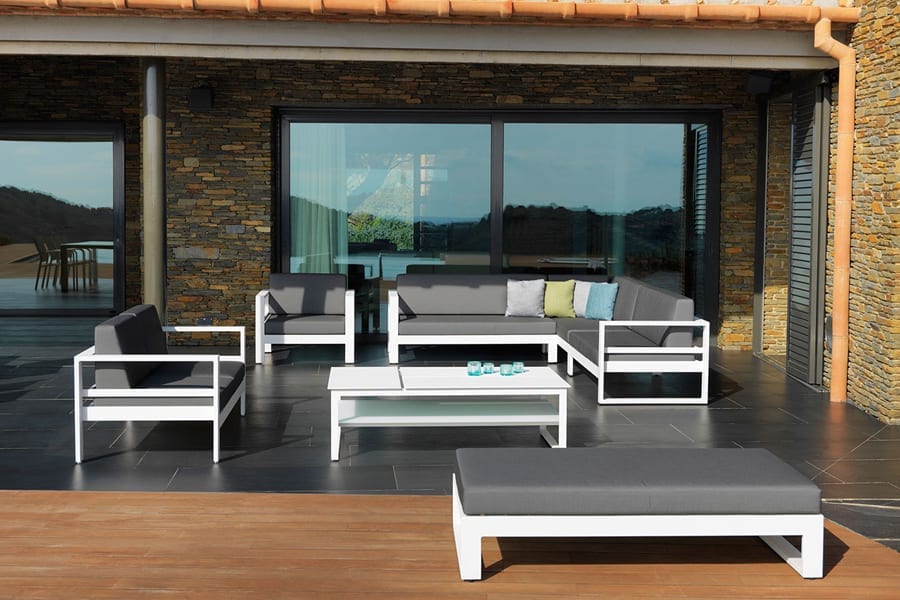
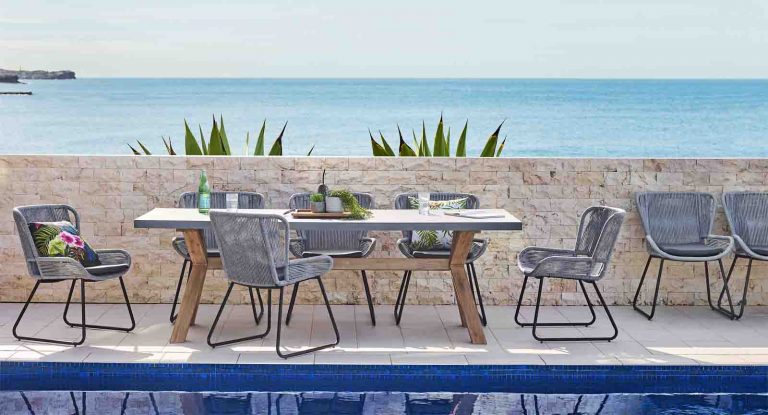
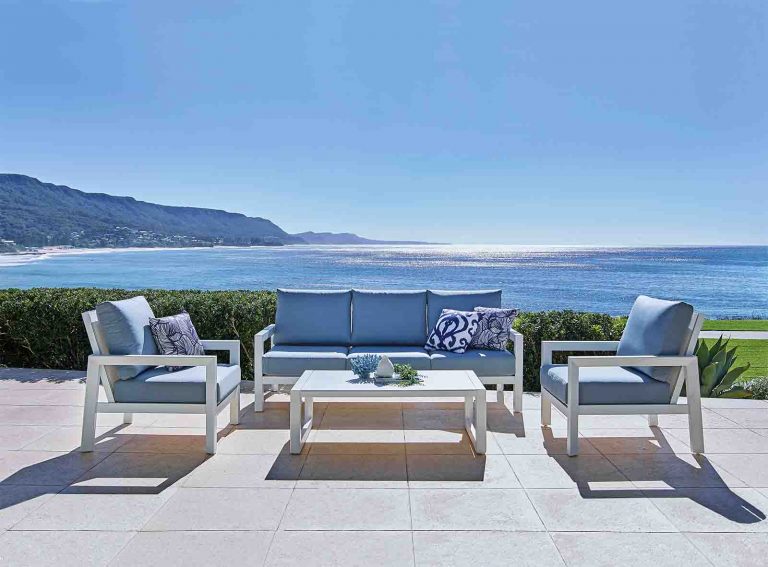
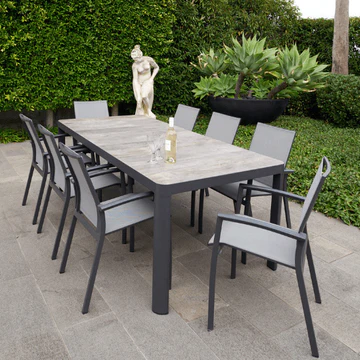
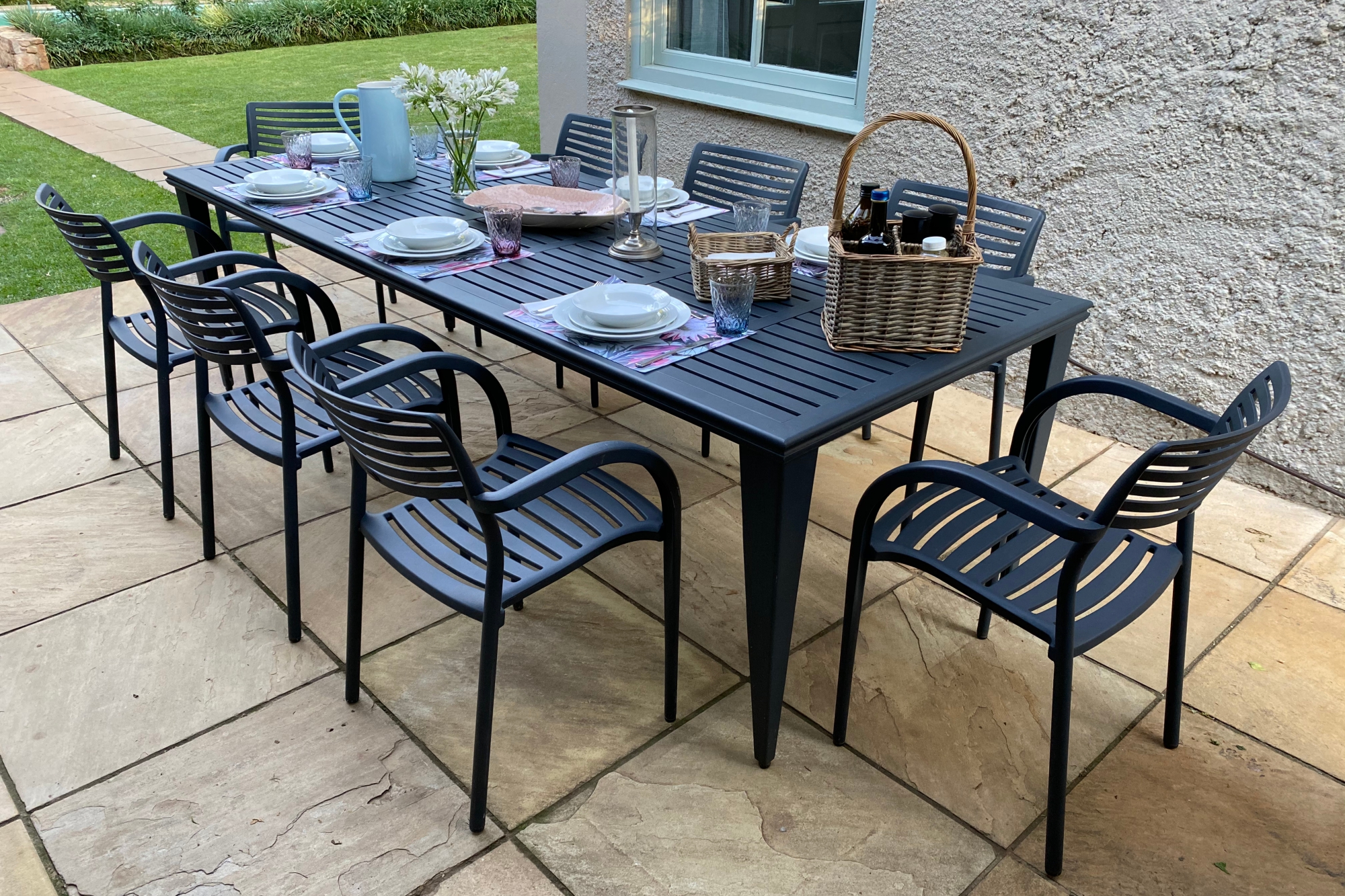
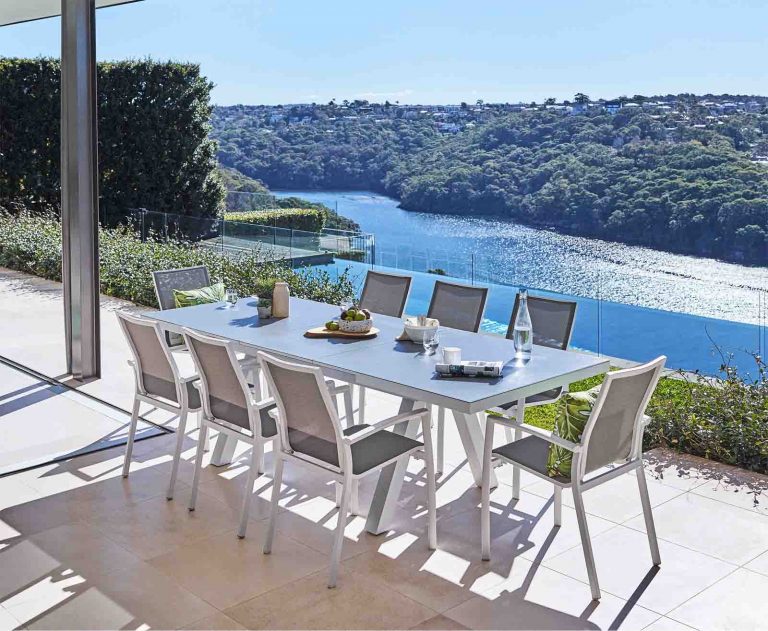
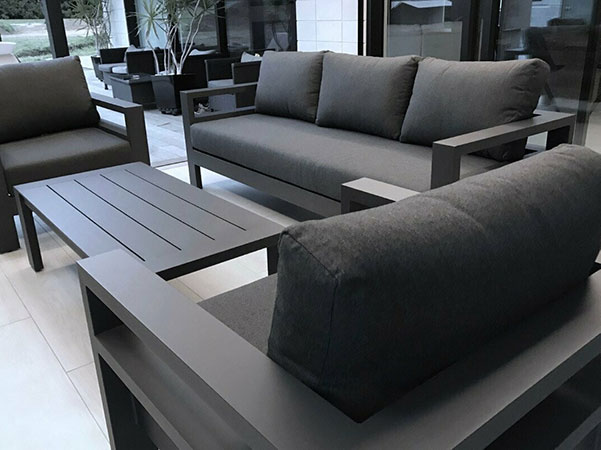
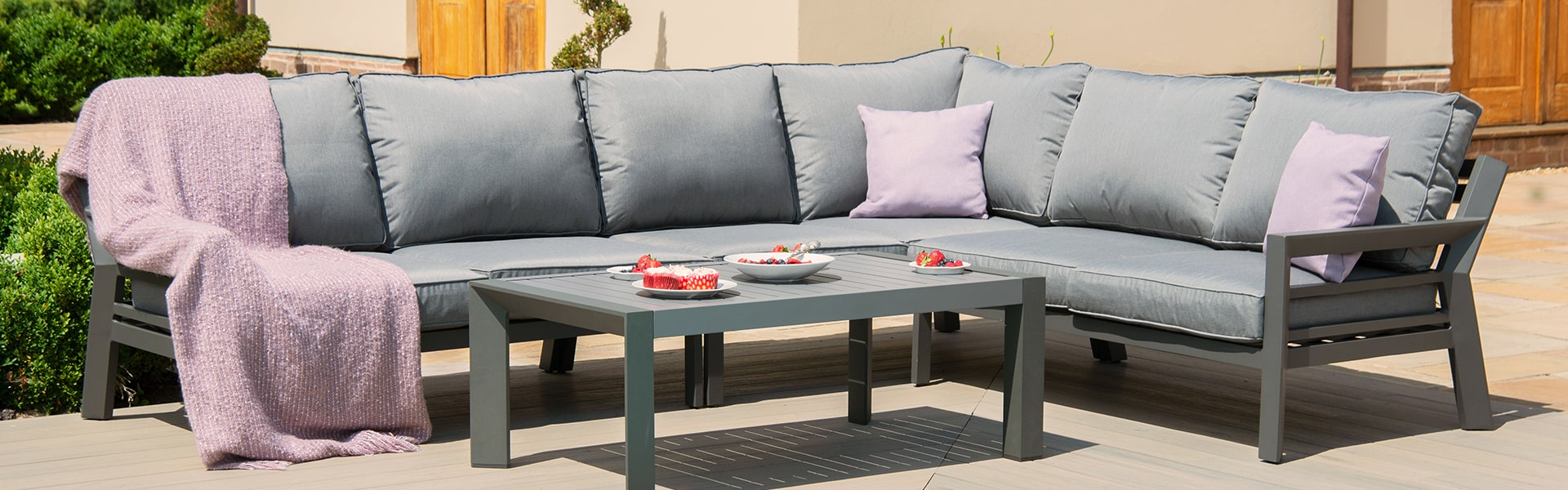
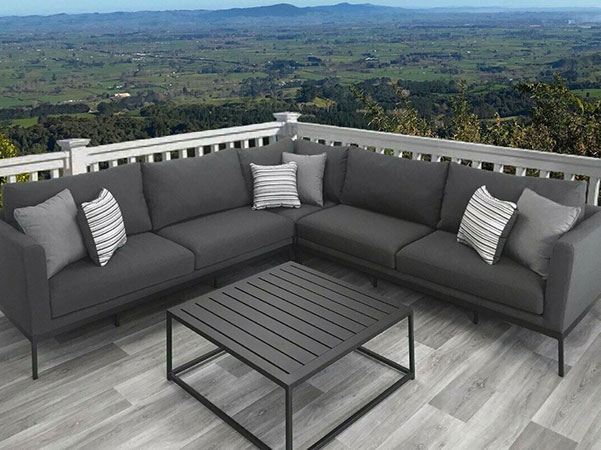
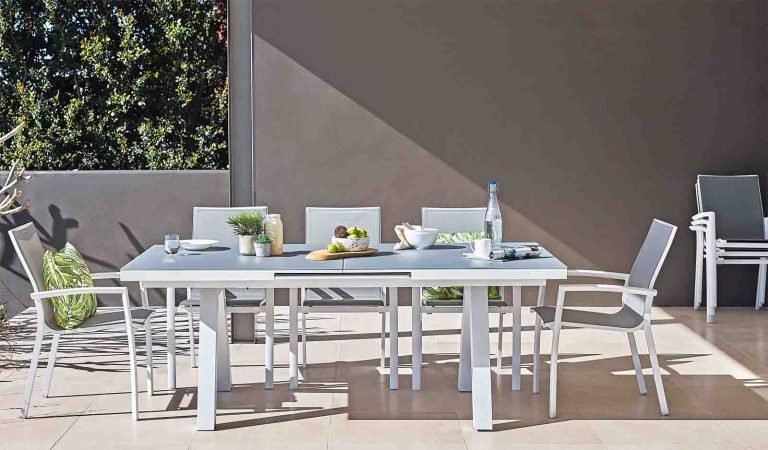
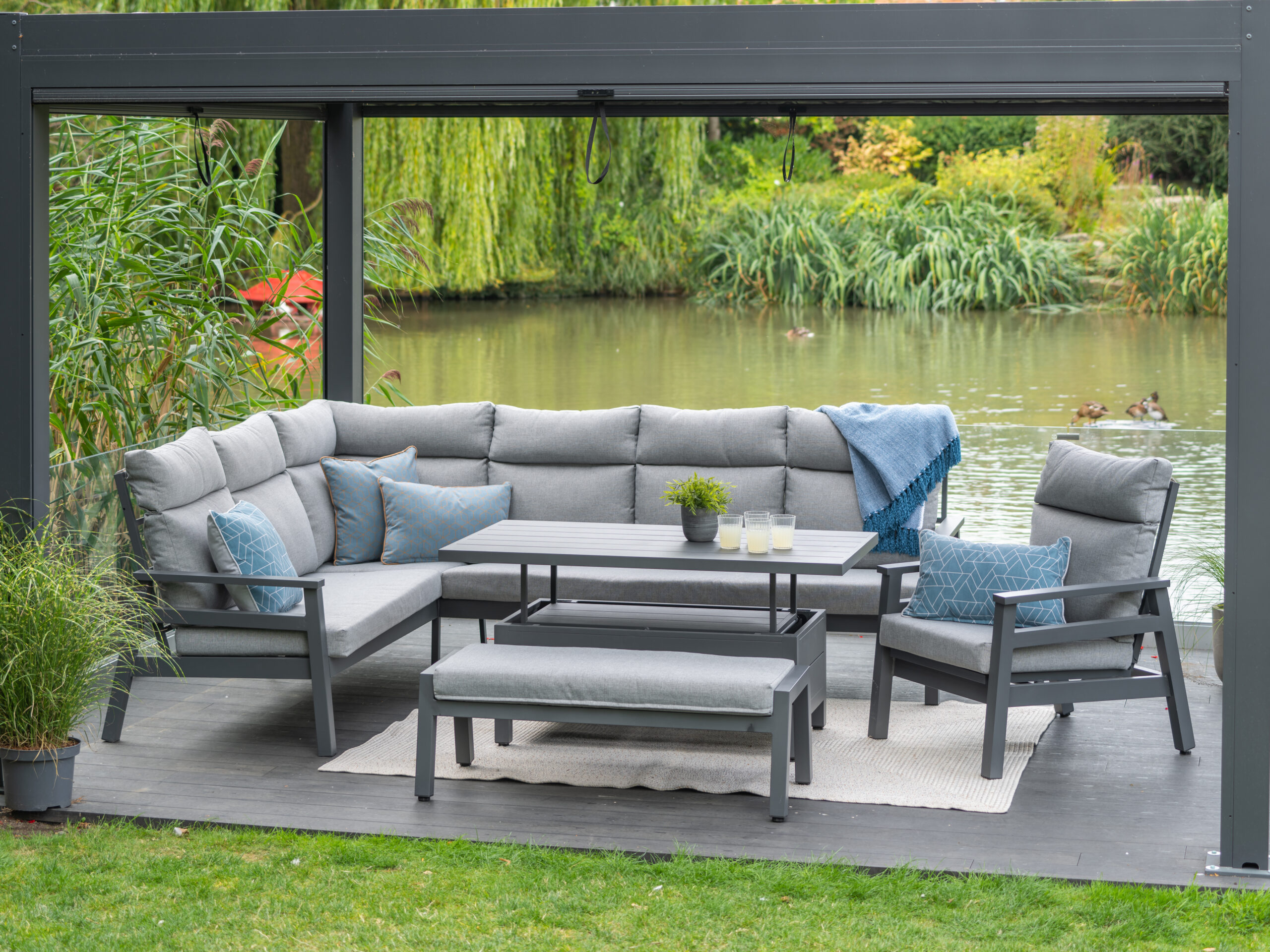
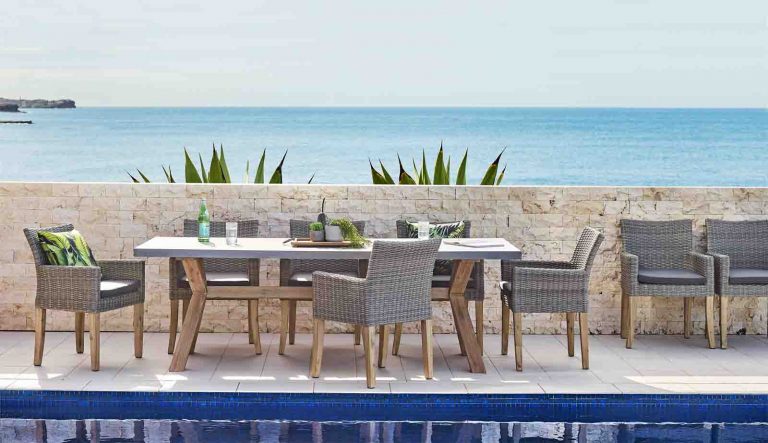
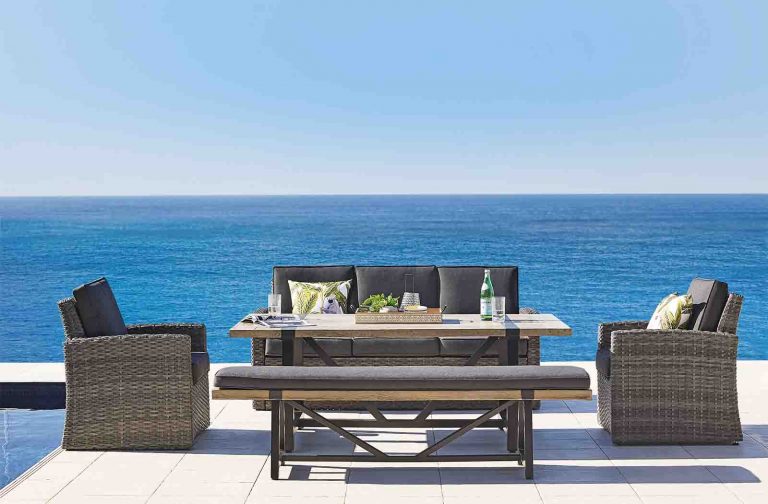
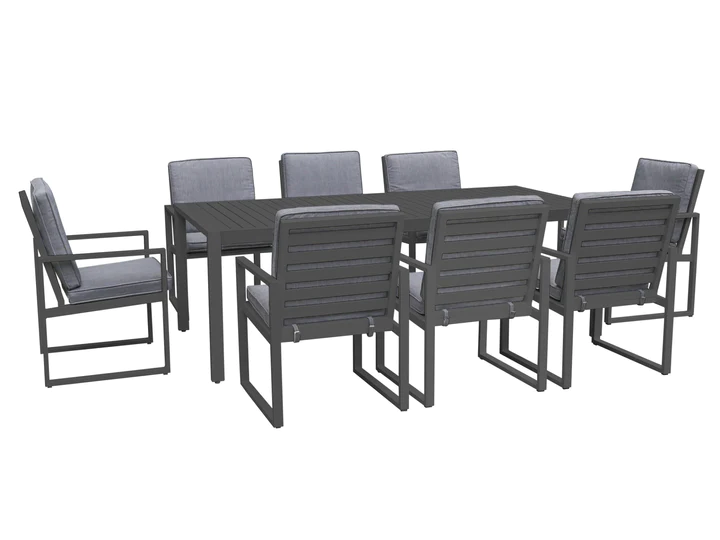
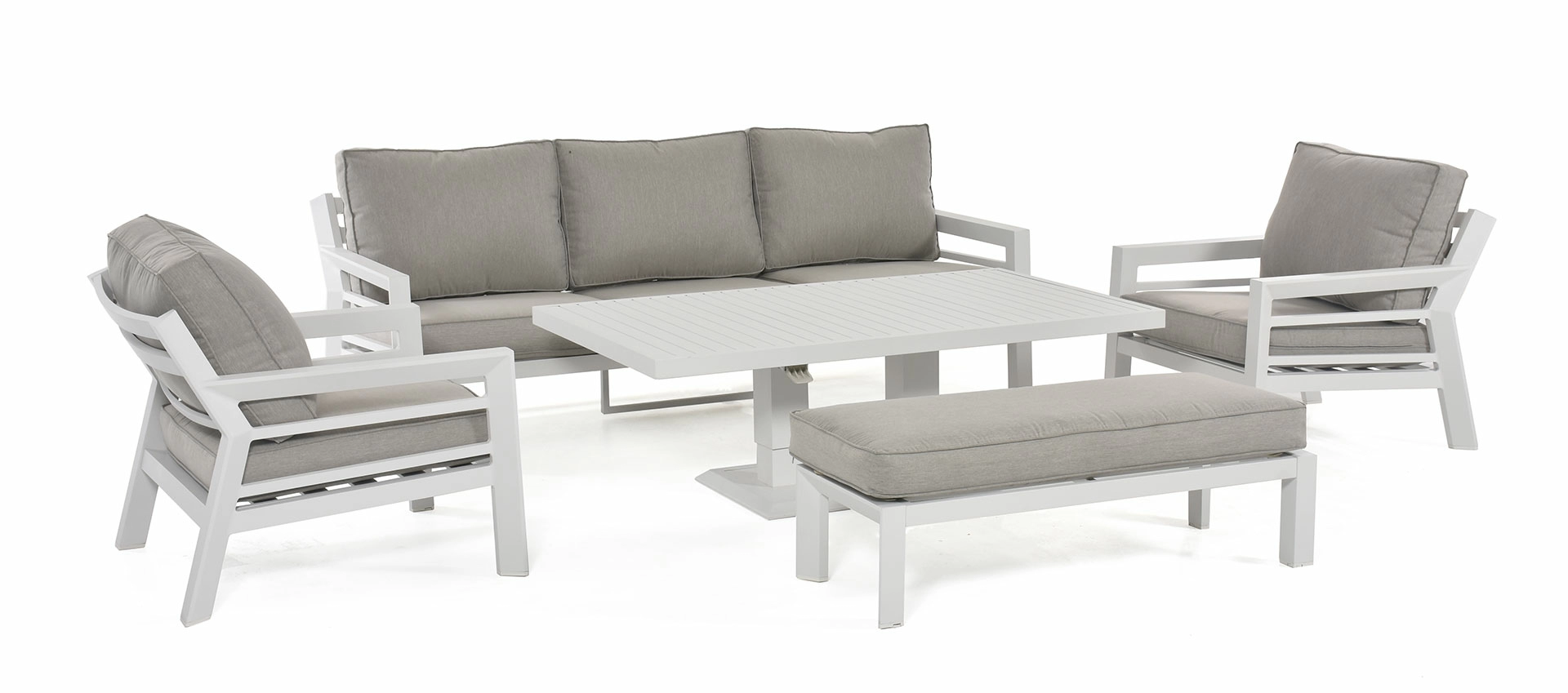
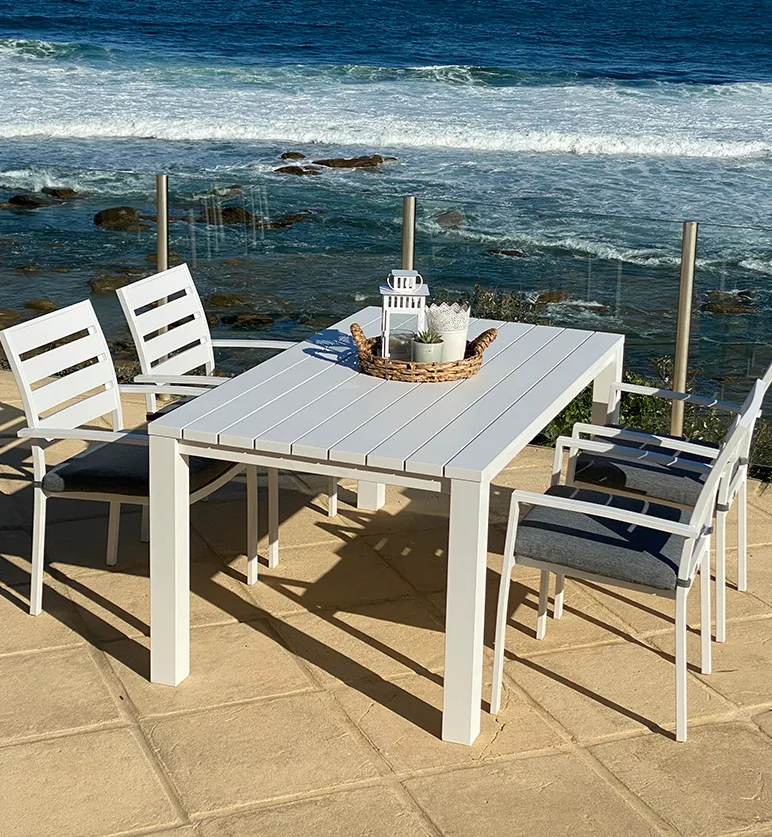
.webp)
.webp)
.webp)


.webp)
.webp)
.webp)
.webp)