Product Description
Customized Modern Outdoor Garden Chaise Lounge Hotel Resort Project Rattan Wicker Beach Chair
1. Rich OEM & ODM Experience
Our factory has 20years experience focus on producing high quality outdoor furniture, we will make your idea come true according to your design drawing or just photo share.
2. Strict Quality Standards
We have professional Quality Control Team, every our department has QC checking, and must be pass checking then through to next department. Before packing and loading we must have totally full checking.
3. Professional Sales Service Team
We will provide professional solution for every customer, gain more market share. We will be your backup and grow up together.
4. Competitive Price With Friendly MOQ
Competitive price highly support you to win more market share.
Sample order is also welcome.
5. Delivery On Time
25-45days delivery time
6. Quick Response
We will response you within 0.5-12hours, will never later than 24hours.
7. Before & After Service
Professional suggestion and information help you choose the right styles.
Provide high resolution photos service.
Provide detail photos for your close checking from order beginning to loading
8. One-Stop Service
We have established long term business with more than 30 raw material suppliers in China. We have an efficient supply chain management system to make sure the delivery on time. We focus on producing outdoor furniture, but also supply Sun-umbrella, bean bags, hammock etc. to support with one-stop shopping service to save your time and cost.
| Material: | Aluminum+Wicker |
|---|---|
| Style: | Modern |
| Type: | Single |
| Folded: | Unfolded |
| Armrest: | Without Armrest |
| Customized: | Customized |
| Samples: |
US$ 230/Piece
1 Piece(Min.Order) | |
|---|
| Customization: |
Available
|
|
|---|

Where can consumers find reputable suppliers or retailers offering a wide selection of aluminum chaise lounges?
When searching for reputable suppliers or retailers offering a wide selection of aluminum chaise lounges, consumers have several options. Here’s a detailed explanation:
1. Furniture Stores: Consumers can start their search at local furniture stores that specialize in outdoor furniture. These stores often carry a variety of chaise lounges, including aluminum options. Visiting furniture stores allows consumers to see and test the lounges in person, ensuring the quality and comfort of the products before making a purchase.
2. Home Improvement Stores: Large home improvement stores, such as Home Depot or Lowe’s, often have dedicated outdoor living sections that feature a range of chaise lounges. These stores typically offer a variety of styles and price points, making it convenient for consumers to compare options and find a lounge that suits their preferences and budget.
3. Online Retailers: Online retailers provide a convenient way to explore a wide selection of aluminum chaise lounges from the comfort of one’s home. Reputable e-commerce platforms like Amazon, Wayfair, and Overstock offer a vast array of options and provide customer reviews and ratings to help consumers make informed decisions. Additionally, many furniture manufacturers have their own websites where consumers can browse and purchase lounges directly.
4. Specialty Outdoor Retailers: Specialty outdoor retailers often carry a curated selection of high-quality outdoor furniture, including aluminum chaise lounges. These retailers typically focus on outdoor living and offer a wide range of designs, materials, and price points. Shopping at specialty outdoor retailers allows consumers to access expert advice and guidance from staff who are knowledgeable about outdoor furniture.
5. Trade Shows and Exhibitions: Attending trade shows and exhibitions related to furniture and home decor is another way to discover reputable suppliers or retailers offering aluminum chaise lounges. These events bring together manufacturers, designers, and retailers, providing an opportunity to explore a wide range of products and establish connections with reputable suppliers.
6. Recommendations and Referrals: Seeking recommendations and referrals from friends, family, or professionals in the interior design or landscaping industry can lead consumers to reputable suppliers or retailers. Personal recommendations often come with insights and experiences that can help inform the purchasing decision and ensure a positive buying experience.
It’s important for consumers to conduct research and consider factors such as reputation, customer reviews and ratings, product warranties, and return policies when choosing a supplier or retailer. Additionally, comparing prices, quality, and available designs across different sources can help consumers find the best value for their investment.
In summary, consumers can find reputable suppliers or retailers offering a wide selection of aluminum chaise lounges at furniture stores, home improvement stores, online retailers, specialty outdoor retailers, trade shows and exhibitions, and through recommendations and referrals. Exploring multiple sources, considering key factors, and conducting thorough research can help consumers find the right supplier or retailer to purchase their desired aluminum chaise lounge.
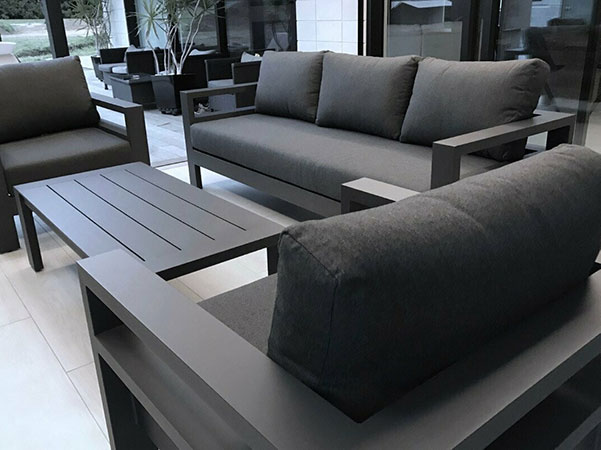
Are there size variations available for aluminum chaise lounges to fit different spaces?
Yes, there are size variations available for aluminum chaise lounges to fit different spaces. Here’s a detailed explanation:
Manufacturers of aluminum chaise lounges understand that different spaces have varying dimensions and requirements. To accommodate these diverse spaces, they offer size variations in chaise lounges to ensure a proper fit and optimal functionality.
When it comes to size variations, there are typically options available in terms of the overall length, width, and height of the chaise lounges. The specific dimensions of the lounges can vary between different models and brands, and it’s important to consider the available space and your specific needs when selecting a size.
Here are some common size variations you may come across when shopping for aluminum chaise lounges:
1. Length: Aluminum chaise lounges can vary in length to accommodate different body sizes and preferences. Some lounges are designed to be more compact and suitable for smaller spaces, while others are longer and provide more room for stretching out. The length of the lounge can range from around 60 inches (152 cm) to over 80 inches (203 cm) or more, depending on the model.
2. Width: The width of aluminum chaise lounges can also vary to fit different spaces and allow for comfortable seating. Some lounges are narrower, which is ideal for smaller balconies or narrow poolside areas. Others are wider, providing more space for relaxation and accommodating multiple users. The width of chaise lounges can range from around 20 inches (51 cm) to over 30 inches (76 cm) or more, depending on the design.
3. Height: The height of aluminum chaise lounges can vary as well. The height is an important consideration, as it affects both the comfort and the aesthetic appeal of the lounges. Some lounges are designed with a lower profile, which can be more suitable for a modern and sleek look. Others have a higher backrest or an adjustable height feature, providing greater support and customization. The height of chaise lounges can range from around 15 inches (38 cm) to over 40 inches (102 cm) or more, depending on the style.
Additionally, some manufacturers offer customization options where you can choose specific dimensions or request modifications to fit your unique space requirements. This can be particularly useful if you have a small or oddly shaped area where standard-sized lounges may not fit optimally.
When selecting the size of an aluminum chaise lounge, it’s essential to consider the available space where the lounge will be placed. Measure the area carefully, taking into account any potential obstacles or clearance requirements. This will help you determine the appropriate dimensions that will fit comfortably and allow for easy movement around the lounge.
It’s also important to consider the intended use of the chaise lounge. If you plan to use it primarily for sunbathing or lounging by the pool, a longer and wider lounge may be more suitable. On the other hand, if you have limited space or intend to use the lounge for sitting rather than fully reclining, a more compact size may be preferable.
In summary, there are size variations available for aluminum chaise lounges to fit different spaces. These variations can include differences in length, width, and height. Considering the available space and your specific needs will help you choose the right size of chaise lounge that fits comfortably and complements your outdoor area.
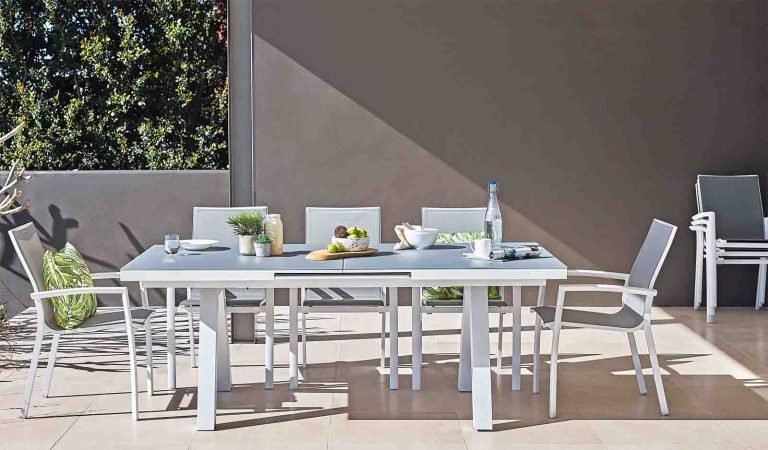
What are the advantages of choosing an aluminum chaise lounge over other materials?
When it comes to selecting outdoor furniture, an aluminum chaise lounge offers several advantages over other materials. Here’s a detailed explanation:
1. Durability: Aluminum chaise lounges are known for their durability. Aluminum is a robust and long-lasting material that can withstand outdoor conditions such as sunlight, rain, and temperature fluctuations. Unlike materials like wood or wicker, aluminum is resistant to rot, rust, and corrosion, making it highly durable and suitable for long-term use.
2. Lightweight: One of the significant advantages of aluminum chaise lounges is their lightweight nature. Compared to materials like wrought iron or teak, aluminum is much lighter, making it easier to move and rearrange your outdoor furniture as needed. This can be particularly beneficial if you like to frequently reconfigure your outdoor space or if you need to store the chaise lounges during the off-season.
3. Weather Resistance: Aluminum chaise lounges excel in terms of weather resistance. They are designed to withstand various weather conditions without deteriorating. Aluminum is not affected by moisture, humidity, or UV rays, ensuring that the chaise lounge maintains its appearance and structural integrity over time. This weather resistance makes aluminum chaise lounges suitable for outdoor use in different climates.
4. Low Maintenance: Aluminum chaise lounges are relatively low maintenance compared to other materials. They require minimal upkeep to keep them looking their best. Aluminum does not require staining, sealing, or painting, saving you time and effort. Regular cleaning with mild soap and water is usually sufficient to maintain the appearance of the chaise lounge. This ease of maintenance is particularly convenient for those who prefer hassle-free outdoor furniture.
5. Variety of Designs: Aluminum chaise lounges are available in a wide range of designs, styles, and finishes. Whether you prefer a sleek and modern look or a more traditional and ornate design, you can find an aluminum chaise lounge to suit your aesthetic preferences. This versatility allows you to complement your outdoor space’s overall style and create a cohesive look.
6. Comfort and Ergonomics: Aluminum chaise lounges are often designed with comfort and ergonomics in mind. They typically feature adjustable backrests and sometimes even adjustable leg sections, allowing you to find the most comfortable position for relaxation. Additionally, many aluminum chaise lounges come with cushions or padding for added comfort, ensuring a pleasant lounging experience.
7. Cost-Effective: Compared to materials like teak or wrought iron, aluminum chaise lounges are generally more affordable while still offering durability and style. If you’re looking for a cost-effective option for outdoor furniture without compromising on quality, aluminum chaise lounges are a practical choice.
8. Environmentally Friendly: Aluminum is a recyclable material, making aluminum chaise lounges an eco-friendly option. Choosing aluminum furniture contributes to reducing waste and promoting sustainability.
Overall, choosing an aluminum chaise lounge over other materials provides several advantages, including durability, lightweight construction, weather resistance, low maintenance, design versatility, comfort, cost-effectiveness, and environmental friendliness. These factors make aluminum chaise lounges a popular choice for outdoor relaxation and enjoyment.
editor by CX 2023-11-30
China Standard Cheap Portable Car Tire Inflator Pump Air Compressor air compressor oil
Product Description
Supply Ability
Supply Ability:
1000000 Piece/Pieces per Month
Packaging & Delivery
Packaging Details
opp bag+carton
Port
HangZhou, ZheJiang , HangZhou, Tianjiang
Lead Time :
| Quantity(Sets) | 1 – 5000 | >5000 |
| Est. Time(days) | 25 | To be negotiated |
Product Description
Descriptions
Heavy Duty Portable 12V 140PSI Auto Tire Inflator Pump Air Compressor Item specifics: Powered from your 12V cigarette lighter socket. Made from high quality metal and rubber, durable and long lasting. 140 CHINAMFG mini compressor and fast inflation of tires, rafts and sports equipment. (General car tire pressure is 223 kpa = 35PSI) Little handy unit, great for outdoor sports, camping and much more. Easy-to-read pressure gauge and easy to use.
Operating Instructions:
1. Start the car engine.
2.Connect the clamps to car battery (Red+/Black-)
3. Insert the inflation port into the tire valve core. (Connect extension coil air hose if needed)
4. Turn the switch ON
Notice:
Due to the high power of this product, do not insert into the cigarette lighter.
1.If you start the pump, tire pressure quickly rise to 50-100PSI, it is the air blocked, must immediately remove the screw connector and re-operation.
2. Power source option (car battery), Tips: Using battery clamps when current is under 15A.
| Product Spec. | |
| *Brand | AUTOALL |
| *Fit Car | Universal |
| *Model | C57109 |
| *Power supply | DC12V/24V |
| *Rated current | 14A |
| *Cylinder diameter | 30mm |
| *Max pressure | 100PSI |
| Job Classification: | Tire Pressure Gauge |
|---|---|
| Certificaton: | Ce |
| Product Name: | Metal Air Compressor |
| Color: | Gold |
| Size: | Metal |
| Warranty: | 2 Years |
| Samples: |
US$ 10/Piece
1 Piece(Min.Order) | |
|---|
| Customization: |
Available
|
|
|---|
.webp)
How are air compressors employed in the petrochemical industry?
Air compressors play a vital role in the petrochemical industry, where they are employed for various applications that require compressed air. The petrochemical industry encompasses the production of chemicals and products derived from petroleum and natural gas. Here’s an overview of how air compressors are utilized in the petrochemical industry:
1. Instrumentation and Control Systems:
Air compressors are used to power pneumatic instrumentation and control systems in petrochemical plants. These systems rely on compressed air to operate control valves, actuators, and other pneumatic devices that regulate processes such as flow control, pressure control, and temperature control. Compressed air provides a reliable and clean source of energy for these critical control mechanisms.
2. Pneumatic Tools and Equipment:
Petrochemical plants often utilize pneumatic tools and equipment for various tasks such as maintenance, repair, and construction activities. Air compressors supply the necessary compressed air to power these tools, including pneumatic drills, impact wrenches, grinders, sanders, and painting equipment. The versatility and convenience of compressed air make it an ideal energy source for a wide range of pneumatic tools used in the industry.
3. Process Air and Gas Supply:
Petrochemical processes often require a supply of compressed air and gases for specific applications. Air compressors are employed to generate compressed air for processes such as oxidation, combustion, and aeration. They may also be used to compress gases like nitrogen, hydrogen, and oxygen, which are utilized in various petrochemical reactions and treatment processes.
4. Cooling and Ventilation:
Petrochemical plants require adequate cooling and ventilation systems to maintain optimal operating conditions and ensure the safety of personnel. Air compressors are used to power cooling fans, blowers, and air circulation systems that help maintain the desired temperature, remove heat generated by equipment, and provide ventilation in critical areas.
5. Nitrogen Generation:
Nitrogen is widely used in the petrochemical industry for applications such as blanketing, purging, and inerting. Air compressors are utilized in nitrogen generation systems, where they compress atmospheric air, which is then passed through a nitrogen separation process to produce high-purity nitrogen gas. This nitrogen is used for various purposes, including preventing the formation of explosive mixtures, protecting sensitive equipment, and maintaining the integrity of stored products.
6. Instrument Air:
Instrument air is essential for operating pneumatic instruments, analyzers, and control devices throughout the petrochemical plant. Air compressors supply compressed air that is treated and conditioned to meet the stringent requirements of instrument air quality standards. Instrument air is used for tasks such as pneumatic conveying, pneumatic actuators, and calibration of instruments.
By employing air compressors in the petrochemical industry, operators can ensure reliable and efficient operation of pneumatic systems, power various tools and equipment, support critical processes, and maintain safe and controlled environments.
.webp)
How do you maintain proper air quality in compressed air systems?
Maintaining proper air quality in compressed air systems is essential to ensure the reliability and performance of pneumatic equipment and the safety of downstream processes. Here are some key steps to maintain air quality:
1. Air Filtration:
Install appropriate air filters in the compressed air system to remove contaminants such as dust, dirt, oil, and water. Filters are typically placed at various points in the system, including the compressor intake, aftercoolers, and before point-of-use applications. Regularly inspect and replace filters to ensure their effectiveness.
2. Moisture Control:
Excessive moisture in compressed air can cause corrosion, equipment malfunction, and compromised product quality. Use moisture separators or dryers to remove moisture from the compressed air. Refrigerated dryers, desiccant dryers, or membrane dryers are commonly employed to achieve the desired level of dryness.
3. Oil Removal:
If the compressed air system utilizes oil-lubricated compressors, it is essential to incorporate proper oil removal mechanisms. This can include coalescing filters or adsorption filters to remove oil aerosols and vapors from the air. Oil-free compressors eliminate the need for oil removal.
4. Regular Maintenance:
Perform routine maintenance on the compressed air system, including inspections, cleaning, and servicing of equipment. This helps identify and address any potential issues that may affect air quality, such as leaks, clogged filters, or malfunctioning dryers.
5. Air Receiver Tank Maintenance:
Regularly drain and clean the air receiver tank to remove accumulated contaminants, including water and debris. Proper maintenance of the tank helps prevent contamination from being introduced into the compressed air system.
6. Air Quality Testing:
Periodically test the quality of the compressed air using appropriate instruments and methods. This can include measuring particle concentration, oil content, dew point, and microbial contamination. Air quality testing provides valuable information about the effectiveness of the filtration and drying processes and helps ensure compliance with industry standards.
7. Education and Training:
Educate personnel working with compressed air systems about the importance of air quality and the proper procedures for maintaining it. Provide training on the use and maintenance of filtration and drying equipment, as well as awareness of potential contaminants and their impact on downstream processes.
8. Documentation and Record-Keeping:
Maintain accurate records of maintenance activities, including filter replacements, drying system performance, and air quality test results. Documentation helps track the system’s performance over time and provides a reference for troubleshooting or compliance purposes.
By implementing these practices, compressed air systems can maintain proper air quality, minimize equipment damage, and ensure the integrity of processes that rely on compressed air.
.webp)
Can you explain the basics of air compressor terminology?
Understanding the basic terminology related to air compressors can help in better comprehension of their operation and discussions related to them. Here are some essential terms related to air compressors:
1. CFM (Cubic Feet per Minute): CFM is a unit of measurement that denotes the volumetric flow rate of compressed air. It indicates the amount of air a compressor can deliver within a minute and is a crucial factor in determining the compressor’s capacity.
2. PSI (Pounds per Square Inch): PSI is a unit of measurement used to quantify pressure. It represents the force exerted by the compressed air on a specific area. PSI is a vital specification for understanding the pressure capabilities of an air compressor and determining its suitability for various applications.
3. Duty Cycle: Duty cycle refers to the percentage of time an air compressor can operate in a given time period. It indicates the compressor’s ability to handle continuous operation without overheating or experiencing performance issues. For instance, a compressor with a 50% duty cycle can run for half the time in a given hour or cycle.
4. Horsepower (HP): Horsepower is a unit used to measure the power output of a compressor motor. It indicates the motor’s capacity to drive the compressor pump and is often used as a reference for comparing different compressor models.
5. Receiver Tank: The receiver tank, also known as an air tank, is a storage vessel that holds the compressed air delivered by the compressor. It helps in stabilizing pressure fluctuations, allowing for a more consistent supply of compressed air during peak demand periods.
6. Single-Stage vs. Two-Stage: These terms refer to the number of compression stages in a reciprocating air compressor. In a single-stage compressor, air is compressed in a single stroke of the piston, while in a two-stage compressor, it undergoes initial compression in one stage and further compression in a second stage, resulting in higher pressures.
7. Oil-Free vs. Oil-Lubricated: These terms describe the lubrication method used in air compressors. Oil-free compressors have internal components that do not require oil lubrication, making them suitable for applications where oil contamination is a concern. Oil-lubricated compressors use oil for lubrication, enhancing durability and performance but requiring regular oil changes and maintenance.
8. Pressure Switch: A pressure switch is an electrical component that automatically starts and stops the compressor motor based on the pre-set pressure levels. It helps maintain the desired pressure range in the receiver tank and protects the compressor from over-pressurization.
9. Regulator: A regulator is a device used to control and adjust the output pressure of the compressed air. It allows users to set the desired pressure level for specific applications and ensures a consistent and safe supply of compressed air.
These are some of the fundamental terms associated with air compressors. Familiarizing yourself with these terms will aid in understanding and effectively communicating about air compressors and their functionality.


editor by CX 2023-11-30
China Custom Safety Practical Heavy Duty Air Tools Oil Free Air Compressor air compressor CHINAMFG freight
Product Description
Product Description
| Voltage | 220V/50Hz |
| Current | 20.4A |
| Power | 1450W |
| Rotating speed | 2800R/Min |
| Noise level | 88db |
| Working pressure | 0.7Mpa |
| Max. working pressure | 0.8Mpa |
| Opening pressure of safety valve | 0.88Mpa |
| Restart pressure | 0.5Mpa |
| Working pressure range | 0-0.8Mpa |
| Outlet connector | G1/4 G1/2 |
| Tank capacity | 120L |
| Weight | 68kg |
| Tank size | 350x800mm |
Detailed Photos
Our Factory
Application
Company Profile
HangZhou CHINAMFG AUTOMOBILE TECHNOLOGY CO.,LTD. was founded in 1996, which is
located in HangZhou city. It specializes in auto body repair system, auto lift and tire equipment with
technology development, product development, production, sales and service.
Our company has passed the ISO9001, and our products has got CE approved, now we have
some national patents, which show that we have a professional R&D Team. Our auto body repair
system has been widely exported all over the world and are widely used in various domestic and
foreign repair shops and 4S vehicle maintenance stations. We has participated in domestic
professional equipment exhibitions and global body repairs in Las Vegas for several years. The
Equipment Exhibition (NACE) has won unanimous praise and has become a world-renowned
professional equipment manufacturer.
Welcome you choose “JINTUO” brand, We will provide you with our heart.
FAQ
Q: How do you control your production quality?
A: We have an independent QC team. Our QC teams do sample inspection, part inspection during
production and 100% final inspection before delivery.
Q: Can I have a visit to your company before placing an order?
A: Sure, welcome to visit CHINAMFG AUTO TECH. There is a showroom in our factory, you can get all
what you want about the auto equipment.
Q: May I know the Lead time?
A:The lead time of our machine is 7 to 20 days.
Q: What is your payment terms?
We accept Alibaba Trade Assurance, TT, LC, etc.
Q: Can you provide the whole workshop automotive equipment?
A: Yes. we have 8 series of product contains nearly all kinds of automotive equipment. Also we have
helped many customers to open their body shop.
Q: How long is the warranty?
A: Our warranty period is 18 months,we will send free parts for replacement within it, and supply spare
parts for lifetime.
Q: Are you a factory?
A: CHINAMFG has invested a factory with an area of 12,000 square meters, specializing in the production of
various frame machine, car lift,wheel alignment,car wash machine etc.
| After-sales Service: | Technical Support |
|---|---|
| Warranty: | 18 Months |
| Lubrication Style: | Oil-less |
| Cooling System: | Air Cooling |
| Cylinder Arrangement: | Duplex Arrangement |
| Cylinder Position: | Vertical |
| Samples: |
US$ 760/Piece
1 Piece(Min.Order) | |
|---|
| Customization: |
Available
|
|
|---|
.webp)
Can air compressors be used for shipbuilding and maritime applications?
Air compressors are widely used in shipbuilding and maritime applications for a variety of tasks and operations. The maritime industry relies on compressed air for numerous essential functions. Here’s an overview of how air compressors are employed in shipbuilding and maritime applications:
1. Pneumatic Tools and Equipment:
Air compressors are extensively used to power pneumatic tools and equipment in shipbuilding and maritime operations. Pneumatic tools such as impact wrenches, drills, grinders, sanders, and chipping hammers require compressed air to function. The versatility and power provided by compressed air make it an ideal energy source for heavy-duty tasks, maintenance, and construction activities in shipyards and onboard vessels.
2. Painting and Surface Preparation:
Air compressors play a crucial role in painting and surface preparation during shipbuilding and maintenance. Compressed air is used to power air spray guns, sandblasting equipment, and other surface preparation tools. Compressed air provides the force necessary for efficient and uniform application of paints, coatings, and protective finishes, ensuring the durability and aesthetics of ship surfaces.
3. Pneumatic Actuation and Controls:
Air compressors are employed in pneumatic actuation and control systems onboard ships. Compressed air is used to operate pneumatic valves, actuators, and control devices that regulate the flow of fluids, control propulsion systems, and manage various shipboard processes. Pneumatic control systems offer reliability and safety advantages in maritime applications.
4. Air Start Systems:
In large marine engines, air compressors are used in air start systems. Compressed air is utilized to initiate the combustion process in the engine cylinders. The compressed air is injected into the cylinders to turn the engine’s crankshaft, enabling the ignition of fuel and starting the engine. Air start systems are commonly found in ship propulsion systems and power generation plants onboard vessels.
5. Pneumatic Conveying and Material Handling:
In shipbuilding and maritime operations, compressed air is used for pneumatic conveying and material handling. Compressed air is utilized to transport bulk materials, such as cement, sand, and grain, through pipelines or hoses. Pneumatic conveying systems enable efficient and controlled transfer of materials, facilitating construction, cargo loading, and unloading processes.
6. Air Conditioning and Ventilation:
Air compressors are involved in air conditioning and ventilation systems onboard ships. Compressed air powers air conditioning units, ventilation fans, and blowers, ensuring proper air circulation, cooling, and temperature control in various ship compartments, cabins, and machinery spaces. Compressed air-driven systems contribute to the comfort, safety, and operational efficiency of maritime environments.
These are just a few examples of how air compressors are utilized in shipbuilding and maritime applications. Compressed air’s versatility, reliability, and convenience make it an indispensable energy source for various tasks and systems in the maritime industry.
.webp)
What is the role of air compressors in manufacturing and industrial processes?
Air compressors play a crucial role in various manufacturing and industrial processes, providing a reliable source of compressed air that powers a wide range of equipment and tools. Here are some key roles of air compressors in manufacturing and industrial settings:
1. Pneumatic Tools and Equipment:
Air compressors power a wide range of pneumatic tools and equipment used in manufacturing processes. These tools include impact wrenches, air drills, sanders, grinders, nail guns, and spray guns. Compressed air provides the necessary force and energy for these tools, enabling efficient and precise operations.
2. Automation and Control Systems:
Compressed air is used in automation and control systems within manufacturing facilities. Pneumatic actuators and valves use compressed air to control the movement of machinery and components. These systems are widely used in assembly lines, packaging operations, and material handling processes.
3. Air Blowing and Cleaning:
Compressed air is employed for blowing and cleaning applications in manufacturing and industrial processes. Air blowguns and air nozzles are used to remove debris, dust, and contaminants from surfaces, machinery, and products. Compressed air is also used for drying, cooling, and purging operations.
4. Air Separation and Gas Generation:
Air compressors are used in air separation plants to generate industrial gases such as nitrogen, oxygen, and argon. These gases are essential for various industrial processes, including metal fabrication, chemical production, and food packaging.
5. HVAC Systems:
Compressed air is utilized in heating, ventilation, and air conditioning (HVAC) systems. It powers pneumatic actuators for damper control, pneumatic controls for pressure regulation, and pneumatic valves for flow control in HVAC applications.
6. Air Compression for Storage and Transport:
Compressed air is used for storage and transport purposes in manufacturing and industrial settings. It is often used to pressurize storage tanks or containers that hold gases or liquids. Compressed air also facilitates the transfer of materials through pipelines and pneumatic conveying systems.
7. Process Instrumentation:
Compressed air is utilized in process instrumentation and control systems. It powers pneumatic instruments such as pressure gauges, flow meters, and control valves. These instruments play a critical role in monitoring and regulating various parameters in industrial processes.
8. Material Handling and Pneumatic Conveying:
In manufacturing and industrial facilities, compressed air is used for material handling and pneumatic conveying systems. It enables the movement of bulk materials such as powders, granules, and pellets through pipelines, facilitating efficient and controlled material transfer.
Overall, air compressors are vital components in manufacturing and industrial processes, providing a versatile and efficient source of power for a wide range of applications. The specific role of air compressors may vary depending on the industry, process requirements, and operational needs.
.webp)
What are the key components of an air compressor system?
An air compressor system consists of several key components that work together to generate and deliver compressed air. Here are the essential components:
1. Compressor Pump: The compressor pump is the heart of the air compressor system. It draws in ambient air and compresses it to a higher pressure. The pump can be reciprocating (piston-driven) or rotary (screw, vane, or scroll-driven) based on the compressor type.
2. Electric Motor or Engine: The electric motor or engine is responsible for driving the compressor pump. It provides the power necessary to operate the pump and compress the air. The motor or engine’s size and power rating depend on the compressor’s capacity and intended application.
3. Air Intake: The air intake is the opening or inlet through which ambient air enters the compressor system. It is equipped with filters to remove dust, debris, and contaminants from the incoming air, ensuring clean air supply and protecting the compressor components.
4. Compression Chamber: The compression chamber is where the actual compression of air takes place. In reciprocating compressors, it consists of cylinders, pistons, valves, and connecting rods. In rotary compressors, it comprises intermeshing screws, vanes, or scrolls that compress the air as they rotate.
5. Receiver Tank: The receiver tank, also known as an air tank, is a storage vessel that holds the compressed air. It acts as a buffer, allowing for a steady supply of compressed air during peak demand periods and reducing pressure fluctuations. The tank also helps separate moisture from the compressed air, allowing it to condense and be drained out.
6. Pressure Relief Valve: The pressure relief valve is a safety device that protects the compressor system from over-pressurization. It automatically releases excess pressure if it exceeds a predetermined limit, preventing damage to the system and ensuring safe operation.
7. Pressure Switch: The pressure switch is an electrical component that controls the operation of the compressor motor. It monitors the pressure in the system and automatically starts or stops the motor based on pre-set pressure levels. This helps maintain the desired pressure range in the receiver tank.
8. Regulator: The regulator is a device used to control and adjust the output pressure of the compressed air. It allows users to set the desired pressure level for specific applications, ensuring a consistent and safe supply of compressed air.
9. Air Outlet and Distribution System: The air outlet is the point where the compressed air is delivered from the compressor system. It is connected to a distribution system comprising pipes, hoses, fittings, and valves that carry the compressed air to the desired application points or tools.
10. Filters, Dryers, and Lubricators: Depending on the application and air quality requirements, additional components such as filters, dryers, and lubricators may be included in the system. Filters remove contaminants, dryers remove moisture from the compressed air, and lubricators provide lubrication to pneumatic tools and equipment.
These are the key components of an air compressor system. Each component plays a crucial role in the generation, storage, and delivery of compressed air for various industrial, commercial, and personal applications.
editor by CX 2023-11-29
China Custom High Pressure Oil Free Air Compressor Unit System for Pet Water Tank Beverage Medicine Cosmetic Chemical Bottle Blowing Making Manufacturing wholesaler
Product Description
Product Description
| ITEM | GOODS DESCRIPTION | QTY | TECHNICAL SPECIFICAITON AND DESCRIPTION |
| 1 | Oil free air compressor | 2 | L type oil free air compressor capacity:12M3/min, air pressure:4.0Mpa |
| 2 | Air tank C-2.0/40 | 1 | It is the storage of compressed air, buffering and temperature cooling(when the air stored in the air tank, the air temperature will cool down, it can also partly separate the air dirt and water) |
| 3 | Pre-filter | 1 | Protect of air dryer, capacity 24m3/min, pressure:4.0Mpa. |
| 4 | Air dryer | 1 | Clear all the water in air,capacity 24m3/min ,pressure: 4.0Mpa.meantime, the oil dirt would be partly separate alone with the water. |
| 5 | Post-filter | 1 | Post filter Capacity: 24m3/min,pressure:4.0Mpa. |
| 6 | Precise filter | 1 | Precise filter Capacity 24m3/min,pressure:4.0Mpa. |
| 7 | Caton filter | 1 | Caton filter Capacity 24m3/min,pressure:4.0Mpa. |
| 8 | Combine pallet for item 3-7 | 1 | Item 3-7 are combine in 1 pallet, installation is quite simple. This unit have automatic water drain valve. |
specifications
model:HLW-25/40
| item | description | |
| model | HLW-12/40 | |
| type | Water-cooling L type piston 3cylinder 3stage compressor | |
| Compress material | air | |
| capacity | m3/min | 12(input air Capacity) |
| pressure | Mpa | 0.1(A) |
| temperature | ºC | ≤40 |
| pressure | Mpa | 4.0 |
| Installation power | KW | 132 |
| noise | dB(A) | 75 |
| voltage | V/Ph/Hz | 380/3/50 |
| Cooling type | Water cooling | |
| Output Air temperature | ºC | ≤ 150(before cooling) ≤ 60(after cooling) |
| Lubricating oil temperature | ºC | ≤ 60 |
| Lubricating way | gear pump pressuring lubrication | |
| Motor protecting level | IP54 | |
| Impact level | mm | ≤28 |
| Crankshaft rotate speed | r/min | 580 |
| Output outlet diameter | 1.5″ | |
| Cooling outlet diameter | 1.5″ | |
| Inlet water temperature | ºC | 10-32 |
| Output water temperate | ºC | 15-37 |
| Cooling tower | T/h | 30 |
| Machine size | mm | 4050*1750*2380 |
| weight | kg | 6000 |
Air tank
1,high pressure air tank
model:2.0m3/4.0Mpa
specifications
| capacity | M3/min | 2.0 | ||
| Max pressure | MPA | 4.0 | ||
| Max inlet air temperature | ºC | <100 | ||
| Max environment temperature | ºC | 38 | ||
| Safety valve,gauge,manual water drain. | TANK Certificate | |||
| SIZE | mm | Inner diameter 800*2319 height | ||
| Function of air tank |
It is the storage of compressed air, buffering and temperature cooling(when the air stored in the air tank, the air temperature will cool down, it can also partly separate the air dirt and water) | |||
-
- repressure air treatment system
1 dryer
| capacity | 25Nm3/min | |
| Work specifications | Max input air pressure | 4.0Mpa |
| Input air temperature | ≤80ºC | |
| Pressure dew point | 10-15ºC | |
| Working environment temperature | <46ºC | |
| refrigerant | R22 | |
| power | 4.8kw | |
| Cooling way | Air cooling | |
| Compressor | japan | panisonic |
| Power | voltage | 3phase/380V/50Hz |
| Piping | Inlet diameter | DN80 |
2, filter
Pre-filter
| capacity | 25 m3/min |
| Max air pressure | 4.0Mpa |
| Input air temperature | ≤60ºC |
| Dirt rate | normal |
| Oil rate | normal |
| Work temperature | ≤45ºC |
| structure | Filter element |
| Inlet and outlet diameter | DN80 |
| installataion | Inside room |
(2)post filter
| capacity | 25 m3/min |
| Max air pressure | 4.0Mpa |
| Input air temperature | ≤60ºC |
| Dirt rate | normal |
| Oil rate | normal |
| Work temperature | ≤45ºC |
| structure | Filter element |
| Inlet and outlet diameter | DN80 |
| installataion | Inside room |
(3)precise filter
| capacity | 25 m3/min |
| Max air pressure | 4.0Mpa |
| Input air temperature | ≤60ºC |
| Dirt rate | normal |
| Oil rate | normal |
| Work temperature | ≤45ºC |
| structure | Filter element |
| Inlet and outlet diameter | DN80 |
| installataion | Inside room |
(4)carton filter
| capacity | 25 m3/min |
| Max air pressure | 4.0Mpa |
| Input air temperature | ≤60ºC |
| Dirt rate | normal |
| Oil rate | normal |
| Work temperature | ≤45ºC |
| structure | Filter element |
| Inlet and outlet diameter | DN80 |
| installataion | Inside room |
Detailed Photos
Installation Instructions
We have a professional after-sale service team, before the machine arrive, we will give consulting service about the machine’s place, electricity, and water preparation works. after the machine arrives in the customer’s factory, we also send the engineer for installation and make training for the customer’s engineer, customer should take charge of the engineer’s travel cost, board and lodging , and labor cost.
Our Advantages
| item | description |
| Save energy | The water-cooling type oil free air compressor is the most functional, energy-saving compressor, the compressor air capacity can auto-adjust range from 1/4 to full loading. Eg: the 12m3/min is adjusted from 3-12m3, the starting current is 15A, it can save 80%-90% energy. After start, the half- frequency idle, can save 50% energy. When the air reachesl the setting air pressure, the machine is in half- frequency idle model, if the machine is in long time idle model, the machine will stop automatic, save 100% energy. |
| Low rotating speed | The rotating speed is only 390-580, ensure the run stale with very small vibration, low abrasion, low noise, It can keep the life of piston ring and valve longer. |
|
Simplify the structure, and make the maintenance easier |
In the first stage, the operation is drop from up to down by free fall, this can save the energy cost, normally the first stage would consume 45% energy of the complete machine, free fall design can reduce the abrasion of the piston ring, lengthen the spare part life time. |
| The machine is design in L structure, the third stage is without piston filler, it is very helpful for high pressure air sea, and very convenient for maintenance | |
| The system equipment is combined in 1 pallet, simplify the installation, no need special foundation. |
|
| The air compressor is in 3 stages compress, ensure stable running, easy maintenance and low down the maintenance cost. | |
| material |
The whole piping inside the compressor system is with stainless steel in S304.No rust powder inside the whole system, that is great protect for the food and beverage industry. |
| Temperature control | The first stage compress air in cool temperature, it is cooled by 3-4kg cool water. We need to stable the second stage cylinder temperature, to make sure the cylinder temperature is same with the air, to protect the forming of condensate. The third stage temperature is with oil cooling, so lengthen the piston life time. |
After Sales Service
After checking, within the quality guarantee time, free offer wearing parts and offer other parts at the lowest price. In quality guarantee, the technician of buyers should operate and maintain the equipment according to seller’s demand, debug some failures. If you could not solve the problems, we will guide you by phone; if the problems are still can not solve, we will arrange technician to your factory solving the problems. The cost of technician arrangement you could see the cost treatment method of technician.
After quality guarantee, we offer technology support and after sales service. Offer wearing parts and other spare parts at favorable price; after quality guarantee, the technician of buyers should operate and maintain the equipment according to seller’s demand, debug some failures. If you could not solve the problems, we will guide you by phone; if the problems are still can not solve, we will arrange technician to your factory solving the problems
Training: customers can send technician to CHINAMFG factory for 7-10 days training by buyers own charge. Vfine(Chumful) engineer will also make training for customer techinician during installation time.
HangZhou CHINAMFG MACHINERY CO LTD
HangZhou CHUMFUL MACHINERY CO LTD
| After-sales Service: | Includes |
|---|---|
| Warranty: | 1year |
| Principle: | Centrifugal Compressor |
.shipping-cost-tm .tm-status-off{background: none;padding:0;color: #1470cc}
| Shipping Cost:
Estimated freight per unit. |
about shipping cost and estimated delivery time. |
|---|
| Payment Method: |
|
|---|---|
|
Initial Payment Full Payment |
| Currency: | US$ |
|---|
| Return&refunds: | You can apply for a refund up to 30 days after receipt of the products. |
|---|
How are air compressors employed in the petrochemical industry?
Air compressors play a vital role in the petrochemical industry, where they are employed for various applications that require compressed air. The petrochemical industry encompasses the production of chemicals and products derived from petroleum and natural gas. Here’s an overview of how air compressors are utilized in the petrochemical industry:
1. Instrumentation and Control Systems:
Air compressors are used to power pneumatic instrumentation and control systems in petrochemical plants. These systems rely on compressed air to operate control valves, actuators, and other pneumatic devices that regulate processes such as flow control, pressure control, and temperature control. Compressed air provides a reliable and clean source of energy for these critical control mechanisms.
2. Pneumatic Tools and Equipment:
Petrochemical plants often utilize pneumatic tools and equipment for various tasks such as maintenance, repair, and construction activities. Air compressors supply the necessary compressed air to power these tools, including pneumatic drills, impact wrenches, grinders, sanders, and painting equipment. The versatility and convenience of compressed air make it an ideal energy source for a wide range of pneumatic tools used in the industry.
3. Process Air and Gas Supply:
Petrochemical processes often require a supply of compressed air and gases for specific applications. Air compressors are employed to generate compressed air for processes such as oxidation, combustion, and aeration. They may also be used to compress gases like nitrogen, hydrogen, and oxygen, which are utilized in various petrochemical reactions and treatment processes.
4. Cooling and Ventilation:
Petrochemical plants require adequate cooling and ventilation systems to maintain optimal operating conditions and ensure the safety of personnel. Air compressors are used to power cooling fans, blowers, and air circulation systems that help maintain the desired temperature, remove heat generated by equipment, and provide ventilation in critical areas.
5. Nitrogen Generation:
Nitrogen is widely used in the petrochemical industry for applications such as blanketing, purging, and inerting. Air compressors are utilized in nitrogen generation systems, where they compress atmospheric air, which is then passed through a nitrogen separation process to produce high-purity nitrogen gas. This nitrogen is used for various purposes, including preventing the formation of explosive mixtures, protecting sensitive equipment, and maintaining the integrity of stored products.
6. Instrument Air:
Instrument air is essential for operating pneumatic instruments, analyzers, and control devices throughout the petrochemical plant. Air compressors supply compressed air that is treated and conditioned to meet the stringent requirements of instrument air quality standards. Instrument air is used for tasks such as pneumatic conveying, pneumatic actuators, and calibration of instruments.
By employing air compressors in the petrochemical industry, operators can ensure reliable and efficient operation of pneumatic systems, power various tools and equipment, support critical processes, and maintain safe and controlled environments.
.webp)
How does the horsepower of an air compressor affect its capabilities?
The horsepower of an air compressor is a crucial factor that directly impacts its capabilities and performance. Here’s a closer look at how the horsepower rating affects an air compressor:
Power Output:
The horsepower rating of an air compressor indicates its power output or the rate at which it can perform work. Generally, a higher horsepower rating translates to a greater power output, allowing the air compressor to deliver more compressed air per unit of time. This increased power output enables the compressor to operate pneumatic tools and equipment that require higher air pressure or greater airflow.
Air Pressure:
The horsepower of an air compressor is directly related to the air pressure it can generate. Air compressors with higher horsepower ratings have the capacity to produce higher air pressures. This is particularly important when operating tools or machinery that require specific air pressure levels to function optimally. For example, heavy-duty pneumatic tools like jackhammers or impact wrenches may require higher air pressure to deliver the necessary force.
Air Volume:
In addition to air pressure, the horsepower of an air compressor also affects the air volume or airflow it can provide. Higher horsepower compressors can deliver greater volumes of compressed air, measured in cubic feet per minute (CFM). This increased airflow is beneficial when using pneumatic tools that require a continuous supply of compressed air, such as paint sprayers or sandblasters.
Duty Cycle:
The horsepower rating of an air compressor can also influence its duty cycle. The duty cycle refers to the amount of time an air compressor can operate continuously before it needs to rest and cool down. Higher horsepower compressors often have larger and more robust components, allowing them to handle heavier workloads and operate for longer periods without overheating. This is particularly important in demanding applications where continuous and uninterrupted operation is required.
Size and Portability:
It’s worth noting that the horsepower rating can also affect the physical size and portability of an air compressor. Higher horsepower compressors tend to be larger and heavier due to the need for more substantial motors and components to generate the increased power output. This can impact the ease of transportation and maneuverability, especially in portable or mobile applications.
When selecting an air compressor, it is essential to consider the specific requirements of your intended applications. Factors such as desired air pressure, airflow, duty cycle, and portability should be taken into account. It’s important to choose an air compressor with a horsepower rating that aligns with the demands of the tools and equipment you plan to operate, ensuring optimal performance and efficiency.
Consulting the manufacturer’s specifications and guidelines can provide valuable information on how the horsepower rating of an air compressor corresponds to its capabilities and suitability for different tasks.
.webp)
What are the safety considerations when operating an air compressor?
Operating an air compressor requires careful attention to safety to prevent accidents, injuries, and equipment damage. Here are some important safety considerations to keep in mind:
1. Read the Manual: Before operating an air compressor, thoroughly read and understand the manufacturer’s instruction manual. Familiarize yourself with the specific safety guidelines, recommended operating procedures, and any specific precautions or warnings provided by the manufacturer.
2. Proper Ventilation: Ensure that the area where the air compressor is operated has adequate ventilation. Compressed air can produce high levels of heat and exhaust gases. Good ventilation helps dissipate heat, prevent the buildup of fumes, and maintain a safe working environment.
3. Personal Protective Equipment (PPE): Always wear appropriate personal protective equipment, including safety glasses or goggles, hearing protection, and non-slip footwear. Depending on the task, additional PPE such as gloves, a dust mask, or a face shield may be necessary to protect against specific hazards.
4. Pressure Relief: Air compressors should be equipped with pressure relief valves or devices to prevent overpressurization. Ensure that these safety features are in place and functioning correctly. Regularly inspect and test the pressure relief mechanism to ensure its effectiveness.
5. Secure Connections: Use proper fittings, hoses, and couplings to ensure secure connections between the air compressor, air tools, and accessories. Inspect all connections before operation to avoid leaks or sudden hose disconnections, which can cause injuries or damage.
6. Inspect and Maintain: Regularly inspect the air compressor for any signs of damage, wear, or leaks. Ensure that all components, including hoses, fittings, and safety devices, are in good working condition. Follow the manufacturer’s recommended maintenance schedule to keep the compressor in optimal shape.
7. Electrical Safety: If the air compressor is electric-powered, take appropriate electrical safety precautions. Use grounded outlets and avoid using extension cords unless approved for the compressor’s power requirements. Protect electrical connections from moisture and avoid operating the compressor in wet or damp environments.
8. Safe Start-Up and Shut-Down: Properly start and shut down the air compressor following the manufacturer’s instructions. Ensure that all air valves are closed before starting the compressor and release all pressure before performing maintenance or repairs.
9. Training and Competence: Ensure that operators are adequately trained and competent in using the air compressor and associated tools. Provide training on safe operating procedures, hazard identification, and emergency response protocols.
10. Emergency Preparedness: Have a clear understanding of emergency procedures and how to respond to potential accidents or malfunctions. Know the location of emergency shut-off valves, fire extinguishers, and first aid kits.
By adhering to these safety considerations and implementing proper safety practices, the risk of accidents and injuries associated with operating an air compressor can be significantly reduced. Prioritizing safety promotes a secure and productive working environment.
editor by CX 2023-11-29
China Custom Dental Equipment Silence Oil Free Air Compressor for Four Dental Chairs wholesaler
Product Description
Product Description
Dental Equipment Silence Oil Free Air Compressor
Model: MCD0055
Description
1. High quality, big flow oil free swing piston compressor as a source of power, can provide stable oilless air and avoid the oil stain into hunman body .
2. The parts are selecting high quality components and the machine made acc.
3. To the requirement of dental clinic , focus on the features of large flow, low noise, clean air ,smooth operation, long time continuous work, long life, full automatic control .
4.In the operation process, when air tank pressure reach to the minimum or maximum value ,the compressor will be automatically started or shut down . It’s widely used for dental Comprehensive art therapy air , and is ideal choise for small dental hospital and private clinics .
Features
1. Ultra-quiet: The sound is very low when the air compressor is working to meet all requirements for indoor use.
2. Ultra-clean: Pure oil-free design, original oil lubricated piston system, high efficiency, low loss, ultra-clean exhaust gas, to meet the needs of the equipment, and protect the safety of the operator, so far as to response to the “green” global call.
3. Anti-rust coating: Inside the gas tank has rust, anti-bacterial treatment, to ensure gas cleanliness and product safety.
4. Low energy consumption: Pressure and gas production take on the CHINAMFG ratio, under the conditions of the least energy consumption fastest output up to the gas source, and automated design for starting and stopping , not only save power, the more you do not need worry.
5. Technology: cylinder liner system exclusive development of nano-coating technology to abandon ordinary oil-free material manufacturers, quieter, cleaner, longer life, to meet the more demanding areas, such as food, medicine industry.
6. Dry sterilization: Special double vacuum drying and filtration equipment, not just the removal of particulate impurities, little more than a sterilization effect, to meet the supply of high purity gas source and protect the user equipment.
7. Safety in Use: The machine is equipped with multiple automatic protection system, when use
environment voltage, pressure or current any exception will automatically shut down to protect the safety of equipment and personal.
8. Easy to use: Electrical connection with automated design, working without staff on duty; pressure can be adjusted freely according to requirements, without complicated maintenance, just regular water supply and drainage.
Stylish.
9. Appearance: CHINAMFG Medical Air Compressor have fashion design, good performance and practical, regulate the operation of the working life of 20,000 hours or more; various design are the industry’s top engineers for natural Thatcher.
Specification
| Item | Value |
| technical | 4EW 60L for 4 dental chairs |
| Power supply | 110V/220V AC 60Hz/50Hz |
| Operation speed | 1390/Min |
| Nominal volume | 210L/min |
| Starting pressure | 0.5+-0.05Mpa |
| Rated exhaust pressure | 0.8+-0.05Mpa |
| Gas tank volume | 60L |
| Noise | 65- 68dB |
| Gross weight | 73Kg |
| Packing size | 90*44*77cm (wooden box) |
Company Profile
| Certification: | CE |
|---|---|
| Type: | Air Compressor |
| Material: | Metal |
| Current: | 7.4A |
| Technical Specification: | 4ew 60L |
| Power Consumption: | 1680W |
| Customization: |
Available
|
|
|---|
.webp)
Can air compressors be used for gas compression and storage?
Yes, air compressors can be used for gas compression and storage. While air compressors are commonly used to compress and store air, they can also be utilized for compressing and storing other gases, depending on the specific application requirements. Here’s how air compressors can be used for gas compression and storage:
Gas Compression:
Air compressors can compress various gases by utilizing the same principles applied to compressing air. The compressor takes in the gas at a certain pressure, and through the compression process, it increases the pressure and reduces the volume of the gas. This compressed gas can then be used for different purposes, such as in industrial processes, gas pipelines, or storage systems.
Gas Storage:
Air compressors can also be used for gas storage by compressing the gas into storage vessels or tanks. The compressed gas is stored at high pressure within these vessels until it is needed for use. Gas storage is commonly employed in industries where a continuous and reliable supply of gas is required, such as in natural gas storage facilities or for storing compressed natural gas (CNG) used as a fuel for vehicles.
Gas Types:
While air compressors are primarily designed for compressing air, they can be adapted to handle various gases, including but not limited to:
- Nitrogen
- Oxygen
- Hydrogen
- Carbon dioxide
- Natural gas
- Refrigerant gases
It’s important to note that when using air compressors for gas compression and storage, certain considerations must be taken into account. These include compatibility of the compressor materials with the specific gas being compressed, ensuring proper sealing to prevent gas leaks, and adhering to safety regulations and guidelines for handling and storing compressed gases.
By leveraging the capabilities of air compressors, it is possible to compress and store gases efficiently, providing a reliable supply for various industrial, commercial, and residential applications.
Can air compressors be used for medical and dental applications?
Yes, air compressors can be used for various medical and dental applications. Compressed air is a reliable and versatile utility in healthcare settings, providing power for numerous devices and procedures. Here are some common applications of air compressors in medical and dental fields:
1. Dental Tools:
Air compressors power a wide range of dental tools and equipment, such as dental handpieces, air syringes, air scalers, and air abrasion devices. These tools rely on compressed air to generate the necessary force and airflow for effective dental procedures.
2. Medical Devices:
Compressed air is used in various medical devices and equipment. For example, ventilators and anesthesia machines utilize compressed air to deliver oxygen and other gases to patients. Nebulizers, used for respiratory treatments, also rely on compressed air to convert liquid medications into a fine mist for inhalation.
3. Laboratory Applications:
Air compressors are used in medical and dental laboratories for various purposes. They power laboratory instruments, such as air-driven centrifuges and sample preparation equipment. Compressed air is also used for pneumatic controls and automation systems in lab equipment.
4. Surgical Tools:
In surgical settings, compressed air is employed to power specialized surgical tools. High-speed air-driven surgical drills, saws, and bone-cutting instruments are commonly used in orthopedic and maxillofacial procedures. Compressed air ensures precise control and efficiency during surgical interventions.
5. Sterilization and Autoclaves:
Compressed air is essential for operating sterilization equipment and autoclaves. Autoclaves use steam generated by compressed air to sterilize medical instruments, equipment, and supplies. The pressurized steam provides effective disinfection and ensures compliance with rigorous hygiene standards.
6. Dental Air Compressors:
Specialized dental air compressors are designed specifically for dental applications. These compressors have features such as moisture separators, filters, and noise reduction mechanisms to meet the specific requirements of dental practices.
7. Air Quality Standards:
In medical and dental applications, maintaining air quality is crucial. Compressed air used in healthcare settings must meet specific purity standards. This often requires the use of air treatment systems, such as filters, dryers, and condensate management, to ensure the removal of contaminants and moisture.
8. Compliance and Regulations:
Medical and dental facilities must comply with applicable regulations and guidelines regarding the use of compressed air. These regulations may include requirements for air quality, maintenance and testing procedures, and documentation of system performance.
It is important to note that medical and dental applications have specific requirements and standards. Therefore, it is essential to choose air compressors and associated equipment that meet the necessary specifications and comply with industry regulations.
How do oil-lubricated and oil-free air compressors differ?
Oil-lubricated and oil-free air compressors differ in terms of their lubrication systems and the presence of oil in their operation. Here are the key differences:
Oil-Lubricated Air Compressors:
1. Lubrication: Oil-lubricated air compressors use oil for lubricating the moving parts, such as pistons, cylinders, and bearings. The oil forms a protective film that reduces friction and wear, enhancing the compressor’s efficiency and lifespan.
2. Performance: Oil-lubricated compressors are known for their smooth and quiet operation. The oil lubrication helps reduce noise levels and vibration, resulting in a more comfortable working environment.
3. Maintenance: These compressors require regular oil changes and maintenance to ensure the proper functioning of the lubrication system. The oil filter may need replacement, and the oil level should be regularly checked and topped up.
4. Applications: Oil-lubricated compressors are commonly used in applications that demand high air quality and continuous operation, such as industrial settings, workshops, and manufacturing facilities.
Oil-Free Air Compressors:
1. Lubrication: Oil-free air compressors do not use oil for lubrication. Instead, they utilize alternative materials, such as specialized coatings, self-lubricating materials, or water-based lubricants, to reduce friction and wear.
2. Performance: Oil-free compressors generally have a higher airflow capacity, making them suitable for applications where a large volume of compressed air is required. However, they may produce slightly more noise and vibration compared to oil-lubricated compressors.
3. Maintenance: Oil-free compressors typically require less maintenance compared to oil-lubricated ones. They do not need regular oil changes or oil filter replacements. However, it is still important to perform routine maintenance tasks such as air filter cleaning or replacement.
4. Applications: Oil-free compressors are commonly used in applications where air quality is crucial, such as medical and dental facilities, laboratories, electronics manufacturing, and painting applications. They are also favored for portable and consumer-grade compressors.
When selecting between oil-lubricated and oil-free air compressors, consider the specific requirements of your application, including air quality, noise levels, maintenance needs, and expected usage. It’s important to follow the manufacturer’s recommendations for maintenance and lubrication to ensure the optimal performance and longevity of the air compressor.
editor by CX 2023-11-28
China manufacturer Home Rattan Half Moon Outdoor PE Wicker Sofa Garden Furniture Set Semi Circle L Shape Rattan Sofa Outdoor Furniture Garden Sets vacuum pump oil near me
Product Description
HangZhou CHINAMFG Furniture Co., Ltd. is a factory specializing in the production of outdoor furniture. It has nearly 20 years of experience in the production of outdoor furniture. There are some experienced teachers in the factory. They are very professional and have guaranteed quality. We can customize them. If you have pictures, we can produce them. Welcome to contact us. We are very confident that we can make your order. Welcome to inquire! Price gives you very affordable price and guaranteed quality products! If necessary, you can send a picture inquiry! We very much welcome you to visit
| Material: | Rattan / Wicker |
|---|---|
| Style: | Simple |
| Usage: | Bar, Hotel, Dining Room, Outdoor |
| Samples: |
US$ 432/Piece
1 Piece(Min.Order) | Order Sample Can customize colors
|
|---|
| Customization: |
Available
|
|
|---|
.shipping-cost-tm .tm-status-off{background: none;padding:0;color: #1470cc}
|
Shipping Cost:
Estimated freight per unit. |
about shipping cost and estimated delivery time. |
|---|
| Payment Method: |
|
|---|---|
|
Initial Payment Full Payment |
| Currency: | US$ |
|---|
| Return&refunds: | You can apply for a refund up to 30 days after receipt of the products. |
|---|

How do I choose the best outdoor furniture for a beachfront property?
Choosing the best outdoor furniture for a beachfront property requires considering several factors to ensure durability, functionality, and aesthetic appeal. Here are some tips to help you make the right choice:
1. Material Selection:
Opt for materials that can withstand the harsh beachfront environment, including exposure to salt, sun, and moisture. Good options for beachfront properties include teak, aluminum, stainless steel, synthetic wicker, and outdoor-grade fabrics designed to resist fading and mildew.
2. Rust and Corrosion Resistance:
Given the proximity to saltwater, it’s essential to choose outdoor furniture that is resistant to rust and corrosion. Look for furniture with rust-resistant coatings, such as powder coating or stainless steel construction, to ensure longevity in the beachfront setting.
3. Easy Maintenance:
Consider the maintenance requirements of the outdoor furniture. Beachfront properties can be prone to sand, salt, and wind-blown debris. Opt for furniture that is easy to clean and maintain, such as materials that can be wiped down with a damp cloth or hosed off.
4. UV Resistance:
Ensure that the outdoor furniture is designed to withstand prolonged exposure to the sun’s UV rays. Look for materials and fabrics that have UV-resistant properties to prevent fading, discoloration, and deterioration over time.
5. Comfort and Functionality:
Choose outdoor furniture that offers comfort and functionality. Consider factors such as cushion thickness, ergonomic design, adjustable features, and the ability to stack or fold for easy storage. Comfortable seating and lounging options will enhance the enjoyment of your beachfront property.
6. Wind Resistance:
Given the potential for strong coastal winds, select outdoor furniture that is sturdy and wind-resistant. Look for furniture with heavy-duty construction, sturdy frames, and the ability to secure or anchor the furniture to prevent tipping or damage during gusty conditions.
7. Design and Aesthetics:
Consider the overall design and aesthetics of the outdoor furniture to ensure it complements the beachfront property. Choose styles and colors that align with your personal preferences and the surrounding landscape. Coastal-inspired designs or neutral tones often work well in beachfront settings.
8. Test for Stability:
Prioritize stability when selecting outdoor furniture for a beachfront property. Test the furniture for stability and sturdiness before making a purchase. Sit on the chairs, lounge on the loungers, and check for any wobbling or instability that could be problematic in windy conditions.
9. Consider Storage Options:
Think about storage options for your outdoor furniture during seasons of non-use or inclement weather. Consider whether you have adequate storage space or if the furniture is easily stackable or foldable for compact storage.
By considering these factors, you can choose outdoor furniture that is well-suited to the demands of a beachfront property, providing both durability and comfort for years to come.
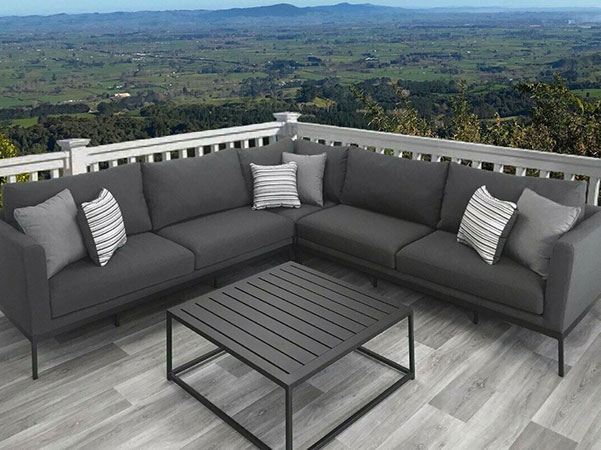
Are there any DIY projects for building custom outdoor furniture pieces?
Yes, there are plenty of DIY projects available for building custom outdoor furniture pieces. If you enjoy woodworking and crafting, creating your own outdoor furniture can be a rewarding and cost-effective option. Here are a few DIY project ideas for building custom outdoor furniture:
1. Adirondack Chairs: Adirondack chairs are classic and comfortable outdoor seating options. There are numerous plans and tutorials available online that provide step-by-step instructions for building Adirondack chairs from scratch. You can customize the design, size, and finish to match your outdoor aesthetic.
2. Pallet Furniture: Repurposing wooden pallets is a popular DIY trend for creating outdoor furniture. With pallets, you can build various pieces like benches, sofas, coffee tables, and even vertical gardens. Look for pallet furniture plans and tutorials that provide guidance on dismantling and assembling pallets into functional and stylish furniture pieces.
3. Outdoor Dining Table: Building your own outdoor dining table allows you to create a custom piece that fits your space and style preferences. You can choose from various materials such as reclaimed wood, cedar, or treated lumber. Look for plans that provide detailed instructions on construction techniques, sizing, and finishing options.
4. Hammock Stand: If you enjoy lounging in a hammock, consider building a hammock stand. This DIY project typically involves working with wood or metal to create a sturdy and stable structure to hang your hammock. Plans and tutorials are available to guide you through the construction process.
5. Outdoor Bar Cart: Building an outdoor bar cart can be a fun and practical DIY project. You can construct a mobile cart with storage for drinks, glasses, and other bar essentials. Look for plans that include details on materials, measurements, and assembly instructions.
6. Outdoor Bench: Building a bench for your outdoor space provides additional seating and can be a versatile piece of furniture. You can create a simple or intricate design based on your skill level and preferences. Look for bench plans that provide guidance on dimensions, joinery techniques, and finishing.
7. Planters and Trellises: DIY planters and trellises can add both functionality and beauty to your outdoor space. You can build custom-sized planters to fit specific areas or construct trellises to support climbing plants. Plans and tutorials are available for different styles and materials.
When undertaking any DIY project, it’s important to prioritize safety. Ensure you have the necessary tools, materials, and skills for the project. Follow the instructions carefully and take proper safety precautions, such as wearing protective gear and working in a well-ventilated area.
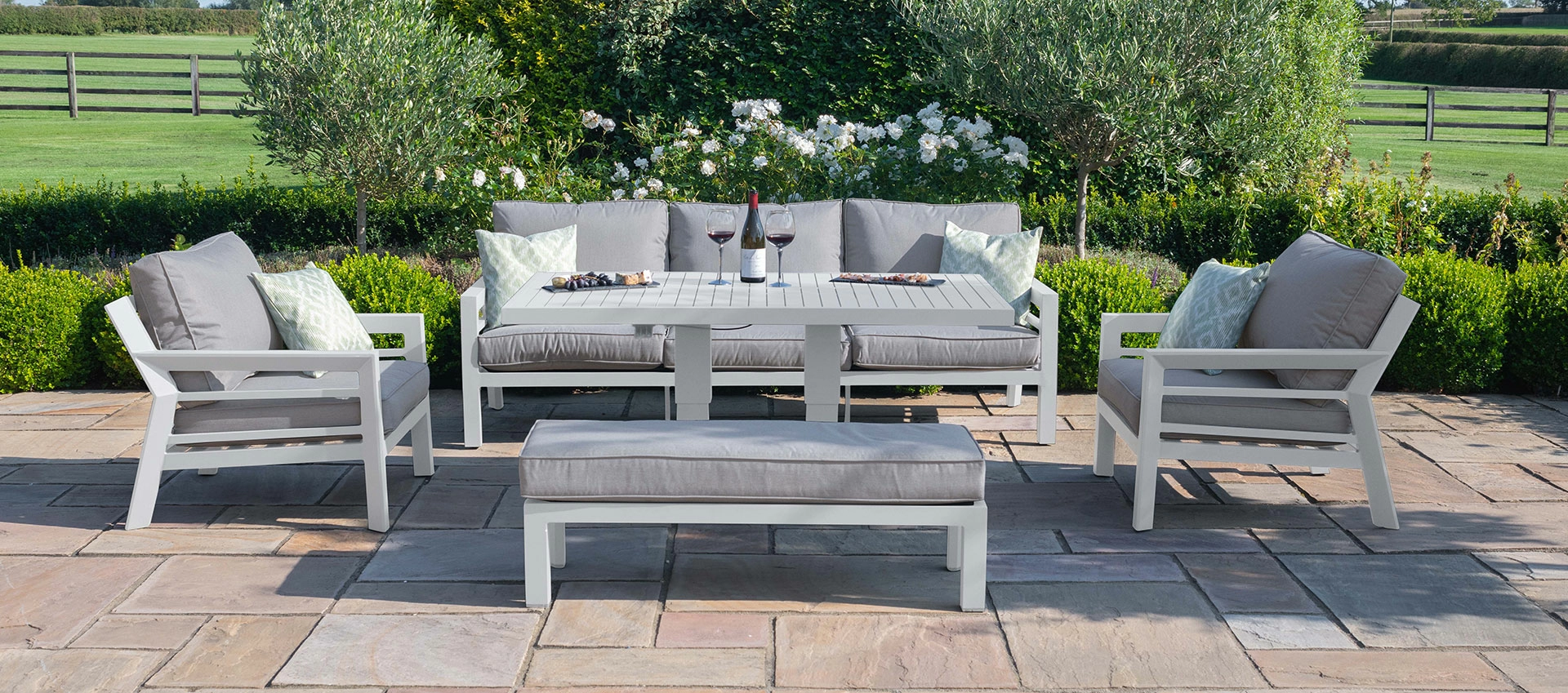
What are the different types of outdoor furniture, such as dining sets and loungers?
Outdoor furniture comes in various types and styles to suit different needs and preferences. Here are some common types of outdoor furniture:
1. Dining Sets: Outdoor dining sets typically consist of a table and chairs designed for outdoor dining. They come in various sizes and materials such as wood, metal, or wicker. Dining sets are ideal for enjoying meals with family and friends in your outdoor space.
2. Loungers and Chaise Lounge: Loungers and chaise lounges are designed for relaxation and sunbathing. They often feature adjustable backrests and can be made from materials like wood, aluminum, or wicker. These pieces are perfect for sunbathing, reading, or taking a nap outdoors.
3. Outdoor Sofas and Sectionals: Outdoor sofas and sectionals provide comfortable seating for lounging and socializing in your outdoor space. They are available in various sizes and configurations, allowing you to customize your seating arrangement. Outdoor sofas and sectionals can be made from materials such as wicker, aluminum, or teak.
4. Outdoor Chairs and Benches: Outdoor chairs and benches are versatile seating options for your outdoor space. They come in different styles, including Adirondack chairs, rocking chairs, and benches. These pieces can be made from materials like wood, metal, or plastic.
5. Outdoor Tables: Outdoor tables are available in different shapes and sizes, including coffee tables, side tables, and accent tables. They can be made from materials such as wood, metal, or glass. Outdoor tables provide surfaces for placing drinks, snacks, or decor items.
6. Outdoor Umbrellas and Shade Structures: Outdoor umbrellas and shade structures offer protection from the sun and provide shade for your outdoor space. They come in various sizes and styles, including market umbrellas, cantilever umbrellas, and pergolas. These structures are often made from materials like aluminum, wood, or fabric.
7. Outdoor Storage: Outdoor storage solutions, such as storage benches or cabinets, are designed to store cushions, pillows, gardening tools, and other outdoor accessories. They provide a convenient storage option while keeping your outdoor space organized.
8. Swings and Hammocks: Swings and hammocks offer a relaxing and playful element to your outdoor space. They come in different designs, including porch swings, hanging hammock chairs, and freestanding hammocks. These pieces are perfect for unwinding and enjoying gentle rocking motions.
These are just a few examples of the different types of outdoor furniture available. When selecting outdoor furniture, consider your space, intended use, and personal preferences to choose the pieces that best suit your needs and style.
editor by CX 2023-11-28
China OEM Oil-Free Air Compressor Centrifugal Air Booster Machine for Hydrogen Fuel Cell wholesaler
Product Description
Product Description
Pressurized oil-free centrifugal air compressor
The fuel cell air compressor is mainly used in the fuel cell air circuit to compress the external gas to obtain a suitable inlet pressure and flow rate for the operation of the stack.Oil free air compressors have the following advantages:
1. The oil-free air compressor adopts small cylinders, with a smaller volume and more compact structure;
2. The oil-free air compressor has excellent balance performance and does not require too many parts;
3. Low vibration, but high operating efficiency;
4. The oil-free silent design is used in the design of oil-free air compressors, which will not produce excessive noise during long-term operation;
5. Unmanned duty can be achieved during the work process;
6. The design of oil-free air compressors intentionally avoids excessive components, so they do not require a lot of manpower and material resources for maintenance and upkeep.
Product Parameters
| Pressurized oil-free centrifugal air compressor |
| model | XT-FCC160 | XT-FCC300 | XT-FCC300S | XT-FCC300P |
| Rated Pressure Ratio(PR) | 2.5 | 2.5 | 2.5 | 2.8 |
| Flow (g/s) | 58 | 108 | 108 | 97 |
| Air compressor rated power( KW) | 9 | <15 | <15 | 15.94 |
| Matching system power (KW) | 30-50 | 50-100 | 50-100 | 50-100 |
| Intake air temperature ºC |
-30-45ºC | -30-45ºC | -30-45ºC | -30-45ºC |
| voltage ( VDC) | 450-750 | 450-750 | 450-750 | 450-750 |
| Start/stop Life (times) | >100000 | >100000 | >100000 | >100000 |
Company Profile
HangZhou Sinopower Technologies Co., Ltd. develops and distributes various products in the hydrogen energy industry chain, including but not limited to hydrogen production, hydrogen storage, hydrogen supply, stacks and BOP parts, fuel cell system assemblies, fuel cell vehicles, etc. We have an experienced professional technical research and development team, which can provide professional services from product selection and matching, system design, product customization development and technical support. We provide hydrogen fuel cell design and R&D services and finished hydrogen fuel cell products for mainstream forklift companies in China. We have experience in stack integration and packaging services and are well received by customers at home and abroad.
Packaging & Shipping
The packaging of the items is strong and intact, avoiding breakage, leakage, and loss during the shipping process; avoiding damage to the internal items caused by external climate changes.Customize packaging according to the actual product to ensure that the product arrives at the customer’s designated place without damage.
Our Advantages
| After-sales Service: | Available |
|---|---|
| Warranty: | 1year |
| Installation Type: | Stationary Type |
| Lubrication Style: | Oil-free |
| Cylinder Position: | Vertical |
| Rated Pressure Ratio: | 2.5-2.8 |
| Samples: |
US$ 1469/Piece
1 Piece(Min.Order) | |
|---|
| Customization: |
Available
|
|
|---|
.webp)
Are there special considerations for air compressor installations in remote areas?
Yes, there are several special considerations to take into account when installing air compressors in remote areas. These areas often lack access to infrastructure and services readily available in urban or well-developed regions. Here are some key considerations:
1. Power Source:
Remote areas may have limited or unreliable access to electricity. It is crucial to assess the availability and reliability of the power source for operating the air compressor. In some cases, alternative power sources such as diesel generators or solar panels may need to be considered to ensure a consistent and uninterrupted power supply.
2. Environmental Conditions:
Remote areas can present harsh environmental conditions that can impact the performance and durability of air compressors. Extreme temperatures, high humidity, dust, and corrosive environments may require the selection of air compressors specifically designed to withstand these conditions. Adequate protection, insulation, and ventilation must be considered to prevent damage and ensure optimal operation.
3. Accessibility and Transport:
Transporting air compressors to remote areas may pose logistical challenges. The size, weight, and portability of the equipment should be evaluated to ensure it can be transported efficiently to the installation site. Additionally, the availability of suitable transportation infrastructure, such as roads or air transportation, needs to be considered to facilitate the delivery and installation process.
4. Maintenance and Service:
In remote areas, access to maintenance and service providers may be limited. It is important to consider the availability of trained technicians and spare parts for the specific air compressor model. Adequate planning for routine maintenance, repairs, and troubleshooting should be in place to minimize downtime and ensure the longevity of the equipment.
5. Fuel and Lubricants:
For air compressors that require fuel or lubricants, ensuring a consistent and reliable supply can be challenging in remote areas. It is necessary to assess the availability and accessibility of fuel or lubricant sources and plan for their storage and replenishment. In some cases, alternative or renewable fuel options may need to be considered.
6. Noise and Environmental Impact:
Remote areas are often characterized by their natural beauty and tranquility. Minimizing noise levels and environmental impact should be a consideration when installing air compressors. Selecting models with low noise emissions and implementing appropriate noise reduction measures can help mitigate disturbances to the surrounding environment and wildlife.
7. Communication and Remote Monitoring:
Given the remote location, establishing reliable communication channels and remote monitoring capabilities can be essential for effective operation and maintenance. Remote monitoring systems can provide real-time data on the performance and status of the air compressor, enabling proactive maintenance and troubleshooting.
By addressing these special considerations, air compressor installations in remote areas can be optimized for reliable operation, efficiency, and longevity.
How are air compressors employed in the mining industry?
Air compressors play a crucial role in the mining industry, providing reliable and efficient power for various mining operations. Here are some common applications of air compressors in mining:
1. Exploration and Drilling:
Air compressors are used during exploration and drilling activities in the mining industry. Compressed air is used to power drilling rigs, pneumatic hammers, and other drilling equipment. The high-pressure air generated by the compressor helps in drilling boreholes, extracting core samples, and exploring potential mineral deposits.
2. Ventilation and Air Quality Control:
Air compressors are employed in underground mining to provide ventilation and control air quality. Compressed air is used to operate ventilation fans and air circulation systems, ensuring adequate airflow and removing harmful gases, dust, and fumes from the mining tunnels and work areas.
3. Material Conveyance:
In mining operations, air compressors are used for material conveyance. Pneumatic systems powered by air compressors are utilized to transport materials such as coal, ore, and other minerals. Compressed air is used to operate pneumatic conveyors, pumps, and material handling equipment, allowing for efficient and controlled movement of bulk materials.
4. Dust Suppression:
Air compressors are employed for dust suppression in mining areas. Compressed air is used to spray water or other suppressants to control dust generated during mining activities. This helps in maintaining a safe and healthy work environment, reducing the risks associated with dust inhalation and improving visibility.
5. Instrumentation and Control:
Air compressors are used for instrumentation and control purposes in mining operations. Compressed air is utilized to power pneumatic control systems, control valves, and actuators. These systems regulate the flow of fluids, control equipment movements, and ensure the proper functioning of various mining processes.
6. Explosive Applications:
In mining, air compressors are used for explosive applications. Compressed air is employed to power pneumatic tools used for rock fragmentation, such as rock drills and pneumatic breakers. The controlled power of compressed air enables safe and efficient rock breaking without the need for traditional explosives.
7. Maintenance and Repair:
Air compressors are essential for maintenance and repair activities in the mining industry. Compressed air is used for cleaning machinery, removing debris, and powering pneumatic tools for equipment maintenance and repair tasks. The versatility and portability of air compressors make them valuable assets in maintaining mining equipment.
It is important to note that different mining operations may have specific requirements and considerations when selecting and using air compressors. The size, capacity, and features of air compressors can vary based on the specific mining application and environmental conditions.
By utilizing air compressors effectively, the mining industry can benefit from increased productivity, improved safety, and efficient operation of various mining processes.
What are the safety considerations when operating an air compressor?
Operating an air compressor requires careful attention to safety to prevent accidents, injuries, and equipment damage. Here are some important safety considerations to keep in mind:
1. Read the Manual: Before operating an air compressor, thoroughly read and understand the manufacturer’s instruction manual. Familiarize yourself with the specific safety guidelines, recommended operating procedures, and any specific precautions or warnings provided by the manufacturer.
2. Proper Ventilation: Ensure that the area where the air compressor is operated has adequate ventilation. Compressed air can produce high levels of heat and exhaust gases. Good ventilation helps dissipate heat, prevent the buildup of fumes, and maintain a safe working environment.
3. Personal Protective Equipment (PPE): Always wear appropriate personal protective equipment, including safety glasses or goggles, hearing protection, and non-slip footwear. Depending on the task, additional PPE such as gloves, a dust mask, or a face shield may be necessary to protect against specific hazards.
4. Pressure Relief: Air compressors should be equipped with pressure relief valves or devices to prevent overpressurization. Ensure that these safety features are in place and functioning correctly. Regularly inspect and test the pressure relief mechanism to ensure its effectiveness.
5. Secure Connections: Use proper fittings, hoses, and couplings to ensure secure connections between the air compressor, air tools, and accessories. Inspect all connections before operation to avoid leaks or sudden hose disconnections, which can cause injuries or damage.
6. Inspect and Maintain: Regularly inspect the air compressor for any signs of damage, wear, or leaks. Ensure that all components, including hoses, fittings, and safety devices, are in good working condition. Follow the manufacturer’s recommended maintenance schedule to keep the compressor in optimal shape.
7. Electrical Safety: If the air compressor is electric-powered, take appropriate electrical safety precautions. Use grounded outlets and avoid using extension cords unless approved for the compressor’s power requirements. Protect electrical connections from moisture and avoid operating the compressor in wet or damp environments.
8. Safe Start-Up and Shut-Down: Properly start and shut down the air compressor following the manufacturer’s instructions. Ensure that all air valves are closed before starting the compressor and release all pressure before performing maintenance or repairs.
9. Training and Competence: Ensure that operators are adequately trained and competent in using the air compressor and associated tools. Provide training on safe operating procedures, hazard identification, and emergency response protocols.
10. Emergency Preparedness: Have a clear understanding of emergency procedures and how to respond to potential accidents or malfunctions. Know the location of emergency shut-off valves, fire extinguishers, and first aid kits.
By adhering to these safety considerations and implementing proper safety practices, the risk of accidents and injuries associated with operating an air compressor can be significantly reduced. Prioritizing safety promotes a secure and productive working environment.
editor by CX 2023-11-28
China factory Moon Chair Lighted Plastic Furniture Motif Light for Garden Use vacuum pump and compressor
Product Description
Product Description
Moon Chair Lighted Plastic Furniture Motif Light For Garden Use
Product Parameters
| Item | Value |
| Place of Origin | ZheJiang , China |
| Lamp Luminous Efficiency(lm/w) | 90 |
| Color Rendering Index(Ra) | 70 |
| Support Dimmer | NO |
| Lifespan (hours) | 50000 |
| Working Time (hours) | 30000 |
| Model Number | LST-SY-HJYZ-01 |
| Working Temperature(ºC) | -120 |
| Lamp Luminous Flux(lm) | / |
| Working Lifetime(Hour) | 50000 |
| Input Voltage(V) | AC 85-265V |
| IP Rating | IP65 |
| Holiday Name | Other |
| Color | Other |
| Lighting solutions service | Other |
| Warranty(Year) | 1-Year |
| Product Name | led moon chair |
| Keywords | Plastic chair |
| Type | Recreation Facilities |
| Voltage | 5V |
Company Profile
About us
SKYLARK NETWORK CO.,LTD Growth from Market Union Group, after 20 years of rapid development, it’s 1 of leading export companies in HangZhou and HangZhou.
With 200 experienced sales person, we cooperate with international customers over 1000 which from 150 countries, including USA, Canada, France,Spain,Germany, UK , Italy, Poland, Mexico, Panama, Chile, Brazil, Australia, Saudi Arabia, U.A.E, Thailand, Japan, Korea, South Africa, etc… Our main customer: Kaufland, Flying Tiger, Metro, ALDI…
We have offices in HangZhou & HangZhou, which have 2600 square kilometers showroom located in the city center. To help customers buy toys from factories, we operate branch offices in HangZhou and HangZhou as well.
After years of development, we already have strong and mature supply chain management. We have the best service team and powerful sourcing net. Our product categories including Houseware & Garden, Outdoor, Tools, Stationery, Gift&craft, Toys, beauty products, Fashion Accessories. More than 10000 factories provide us with a wide range of high quality products and competitive prices. Meanwhile, we have strict quality control system and individual warehouse. Qualified design department to provide artwork, also offer good idea and design for our clients.
Flexible payment terms, D/P, T/T, L/C
We also support our good credit customer to do OA payment to help them rapid growth.
Now, we focus on serving online Sellers, we believe it’s the best sales way and business in the future. We can give full play of our advantages in various product categories to quickly and professionally adapt to customers’ needs.
Call or email us any time for questions, support, or with feedback about how we can serve you even better. Common development with clients is our business philosophy.
FAQ
1. who are we?
We are based in ZHangZhoug, China, start from 2007,sell to North America(30.00%), Western Europe(10.00%), Northern Europe(10.00%), Southern Europe(10.00%), Eastern Europe(10.00%), Oceania(10.00%), Domestic Market(10.00%), Africa(10.00%) There are
total about 200+ people in our office.
2. how can we guarantee quality?
Always a pre-production sample before mass production;
Always final Inspection before shipment;
3.what can you buy from us?
Kitchen Supplies,Home Storage Products,Stationery,Beauty Tools,Creative DIY Products
4. why should you buy from us not from other suppliers?
HangZhou division is good at the optimization of the product supply chain, Professional services online sales customers,one containercan load many kinds of products,Minimize customer inventory.
5. what services can we provide?
Accepted Delivery Terms: FOB;
Accepted Payment Currency:USD,EUR,CNY;
Accepted Payment Type: T/T,L/C,D/P D/A;
Language Spoken:English,Chinese,Spanish,French…
SKYLARK NETWORK CO.,LTD Growth from Market Union Group, after 20 years of rapid development, it’s 1 of leading export companies in HangZhou and HangZhou.
| Certification: | CE, RoHS, EMC, LVD, CCC, FCC, VDE, SAA, GS, FDA |
|---|---|
| Voltage: | AC 85-265V |
| Emitting Color: | Changeable |
| Samples: |
US$ 200/Piece
1 Piece(Min.Order) | Order Sample If you need samples,please contact us
|
|---|
| Customization: |
Available
|
|
|---|
.shipping-cost-tm .tm-status-off{background: none;padding:0;color: #1470cc}
|
Shipping Cost:
Estimated freight per unit. |
about shipping cost and estimated delivery time. |
|---|
| Payment Method: |
|
|---|---|
|
Initial Payment Full Payment |
| Currency: | US$ |
|---|
| Return&refunds: | You can apply for a refund up to 30 days after receipt of the products. |
|---|

How do I secure my garden furniture to prevent it from tipping over during windy weather?
Securing your garden furniture is important to prevent it from tipping over during windy weather. Here are some methods you can use to secure your furniture:
1. Weighted Bases or Sandbags:
For lightweight furniture such as chairs or small tables, consider using weighted bases or sandbags. These can be placed on the furniture’s legs or base to provide additional stability and prevent tipping. Make sure the weights are securely attached or positioned to avoid any accidents.
2. Anchoring Systems:
For larger furniture pieces or items that are prone to tipping, using anchoring systems can be highly effective. Anchoring kits are available in hardware stores and typically include straps, cables, or brackets that can be attached to the furniture and secured to the ground or a sturdy structure like a wall or deck.
3. Staking or Ground Pegs:
If your garden furniture has legs or supports that can be inserted into the ground, consider using stakes or ground pegs. These can be driven into the soil to provide additional stability and prevent tipping. Ensure that the stakes or pegs are securely anchored and properly inserted into the ground.
4. Windproof Umbrellas and Canopies:
If you have umbrellas or canopies as part of your garden furniture, choose windproof options that are designed to withstand gusty conditions. These typically have sturdy frames, reinforced joints, and vented canopies that allow wind to pass through, reducing the risk of tipping.
5. Storage or Temporary Removal:
During severe or stormy weather, consider storing your garden furniture in a secure, covered area or temporarily removing it from exposed areas. This can prevent damage caused by strong winds and ensure the safety of both the furniture and your surroundings.
6. Regular Inspections:
Regularly inspect your garden furniture for any signs of wear, damage, or loose components. Tighten screws, bolts, or joints as necessary to maintain stability. Replace any damaged parts or repair weak areas promptly to prevent tipping accidents.
7. Positioning and Layout:
When arranging your garden furniture, consider the layout and positioning to minimize the impact of wind. Place taller or heavier furniture pieces against walls or other sturdy structures to provide additional support. Avoid positioning furniture in open, exposed areas where wind gusts are more likely.
8. Weather Alerts and Precautions:
Stay informed about weather conditions in your area and take necessary precautions when severe weather is expected. Bring in or secure your garden furniture well in advance to prevent damage caused by strong winds or storms.
By implementing these measures, you can help secure your garden furniture and minimize the risk of tipping over during windy weather. Remember to assess the specific needs of your furniture and adjust the methods accordingly for optimal stability and safety.

Are there any sustainable or recycled garden furniture options available?
Yes, there are several sustainable and recycled options available for garden furniture. These eco-friendly alternatives help reduce the environmental impact of furniture production and promote the use of recycled materials. Here are some examples:
1. Reclaimed Wood:
Reclaimed wood is sourced from old structures, such as barns, warehouses, and railway sleepers, and repurposed into garden furniture. Using reclaimed wood helps reduce the demand for new timber and minimizes deforestation. Additionally, it adds a rustic and unique character to the furniture.
2. Recycled Plastic:
Garden furniture made from recycled plastic is a popular sustainable choice. It is typically manufactured from post-consumer plastic waste, such as recycled bottles and packaging materials. Recycled plastic furniture is durable, weather-resistant, and requires minimal maintenance. By using recycled plastic, it helps reduce plastic waste and promotes a circular economy.
3. Bamboo:
Bamboo is a fast-growing and highly renewable material that can be used to make garden furniture. It has a similar appearance to wood and offers comparable strength and durability. Bamboo furniture is often treated to withstand outdoor conditions and can provide a sustainable alternative to traditional wood furniture.
4. Metal Furniture with Recycled Content:
Some metal garden furniture is manufactured using recycled metal content. This involves using recycled metals, such as aluminum or steel, in the production process. Choosing metal furniture with recycled content helps reduce the energy and resource requirements associated with mining and refining new metals.
5. Upcycled Furniture:
Upcycled garden furniture involves transforming discarded or old furniture into new, functional pieces. This can include refurbishing and repainting existing furniture or creatively repurposing materials to create unique designs. Upcycling reduces waste and gives new life to furniture that might have otherwise been discarded.
6. Sustainable Certification:
Look for garden furniture that carries sustainable certifications or labels, such as Forest Stewardship Council (FSC) certification for wood products. These certifications indicate that the furniture is sourced from responsibly managed forests or meets specific sustainability standards.
7. Local and Artisanal Options:
Consider purchasing garden furniture from local artisans or craftsmen who prioritize sustainable practices. Local sourcing reduces transportation emissions, supports local economies, and allows for direct communication with the makers to ensure sustainable production methods.
When selecting sustainable or recycled garden furniture, it’s important to ensure that the materials used are durable and suitable for outdoor environments. Additionally, consider the overall lifecycle of the furniture, including its end-of-life disposal options.
By choosing sustainable or recycled garden furniture, you can contribute to a more environmentally friendly outdoor space while still enjoying beautiful and functional furniture.
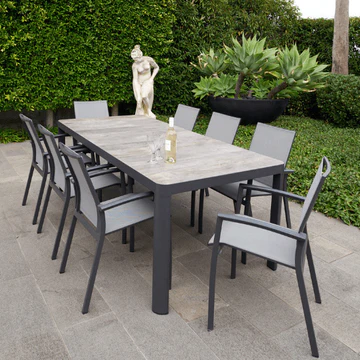
What types of cushions and fabrics are ideal for garden furniture?
When choosing cushions and fabrics for your garden furniture, it’s important to consider durability, weather resistance, comfort, and ease of maintenance. Here are some types of cushions and fabrics that are ideal for garden furniture:
1. Outdoor-Specific Fabrics:
Look for fabrics specifically designed for outdoor use. These fabrics are typically made from synthetic materials that are resistant to fading, mold, mildew, and moisture. They are often treated to be UV-resistant, which helps prevent color fading due to sun exposure. Examples of outdoor-specific fabrics include solution-dyed acrylic, polyester, or vinyl-coated fabrics.
2. Sunbrella:
Sunbrella is a well-known brand of outdoor fabric that is highly durable and fade-resistant. It is made from solution-dyed acrylic fibers, which are known for their resistance to UV rays, moisture, and stains. Sunbrella fabrics come in a wide range of colors and patterns, allowing you to find options that suit your style.
3. Olefin:
Olefin is another popular synthetic fabric for outdoor use. It is resistant to water, stains, and fading. Olefin fabric is often used for cushions and upholstery due to its durability and affordability. It is available in a variety of colors and patterns.
4. Quick-Drying Foam:
When it comes to cushion fillings, quick-drying foam is an excellent choice for garden furniture. This type of foam has an open-cell structure that allows water to drain quickly, preventing the buildup of moisture. Quick-drying foam helps keep your cushions dry and prevents the growth of mold or mildew.
5. Water-Resistant Cushion Covers:
Ensure that your cushion covers are water-resistant to protect the foam filling from getting wet. Look for covers made from fabrics that repel water and are easy to clean. Water-resistant cushion covers help maintain the integrity of the cushions and make them more resistant to the outdoor elements.
6. Removable and Washable Covers:
Opt for cushions with removable and washable covers. This allows you to easily clean the fabric and remove any stains or dirt that may accumulate over time. Removable covers also give you the flexibility to change the look of your garden furniture by swapping out covers or patterns.
7. Mildew-Resistant Materials:
Choose fabrics and cushion fillings that are resistant to mildew. Mildew can thrive in damp environments, so selecting materials that inhibit its growth is important for maintaining a clean and hygienic outdoor seating area.
When selecting cushions and fabrics for your garden furniture, consider the specific climate and weather conditions in your area. Additionally, follow the manufacturer’s instructions for care and maintenance to ensure the longevity of your cushions and fabrics.
editor by CX 2023-11-28
China supplier Garden Backyard Awning CHINAMFG Pergola Freestanding Retractable Roof Pergola with Outdoor Furniture a/c vacuum pump
Product Description
Aluminum alloy outdoor shutter pavilion is our company independent research and development and production of a kind of outdoor leisure with multi-functional shading products, all CHINAMFG alloy manufacturing, manual or electric control, can add light, wind and rain intelligent control system, with shading, lighting, ventilation, rain and other functions, can fully meet the needs of outdoor leisure places.
Aluminum alloy electric shutter pavilion combined with the characteristics of all kinds of outdoor pavilion, all around and the column are CHINAMFG alloy square pipe profile, the top laying electric shading shutter, the blade is CHINAMFG alloy material, surface spraying treatment, a variety of color choice (can be customized according to customer requirements).
Aluminum alloy louver blades are designed with water conduction structure, and drainage flume is arranged around and below the blade, which can import rainwater into the column and discharge it to the outside of the pavilion through the column. The pavilion is equipped with LED lighting system, wind-proof rolling curtains can be configured around it, and fans, heaters and other functional configurations can be configured to meet customers’ various needs for outdoor leisure.
The Louvered pergola system is an ideal application in parks, courtyards, terraces, commercial restaurants and cafes, hotels, nightclubs and bars that will provide CHINAMFG and protect activity Spaces for your family, friends and customers. They can also be used for weddings, parties and corporate events.
Product model description:
VM: Manual control series
VE: Electric control series
VC:Customer customized series
| Bioclimatic Pergola Product Information | |
| Product Name | Opening Louver Roof CHINAMFG Gazebos Courtyard Attached Pergola With Folding Glass Door |
| Type | Arches, Arbours, Pergolas & Sunroom |
| Model NO | Custom Serise (VC series) |
| Material | Aluminium Alloy |
| Sizes | The sizes is available custom CHINAMFG according to customers’ request |
| Finish | Powder coated (warranty 3-5 years) & PVDF (waranty 7-10 years) |
| Colors | Dark gray,White,also other colors is available |
| Operation Method | Electric & Manual |
| Optional Accessories | Electric wind proof roller blind, glass, shutter /LED light/weather sensor/heater, etc |
| Rainfall intensity | 0.04 to 0.05 l/s/m2 |
| Snow load | Up to 160 kg/m2 |
| Wind resistance | Up to 180 km/h for closed blades |
| Packaging Details | Awning parts pack with PE packaging bag / woven belt / Carton / wooden case |
| Delivery time | Usual 10-15 days after receiving deposit and drawings confirmed |
| Installation | The installation instruction or video will be provided |
| Supply Ability | 25 Set/Sets per Day |
| Commercial Buyer | Caterers & Canteens, Fast Food and Takeaway Food Services, Food & Beverage Stores,Cake shops and bakeries , Cafes and Coffee Shops, Beer,Wine,Liquor Stores |
| customized services according to customer requirements | |
Detailed Photos
The pictures are taken in real life, not retouched, to present the actual effect more realistically and intuitively.
Product Parameters
Packaging & Shipping
|
Packaging & Delivery |
|
|
Packaging Details |
Awning parts pack with PE packaging bag / woven belt / Carton |
| Shipping |
Express / Sea freight / Land freight / Air freight |
|
Port |
ZheJiang / HangZhou / ZheJiang g / HangZhou /Or the port specified by the customer |
|
Lead Time |
Usual 10-15 days after receiving deposit and drawings confirmed |
Installation Instructions
It is easy to install,and the installation instruction or video will be provided.
Installation mode
Accessory product
Company Profile
We are a trustworthy and experienced manufacturer and supplier, the company has a group of experienced professional technical team, advanced production CHINAMFG and sophisticated equipment, using advanced management, strict control of quality and cost, multiple inspections, reduce Waste, can provide you with satisfactory price and service.
We keep moving forward, pursuing innovation and practicality, demand-oriented and adopting modern appearance design, so as to make the products more beautiful and practical, with high quality and low price.
We have established a good cooperative partnerships with clients from more than 30 countries and regions, including American,European and Asian countries.
We sincerely welcome customers from all over the world to inquire and cooperate!
Our Advantages
* It is our pursuit to provide customers with high-quality products and services and meet their needs.
* We focus on building glass products, such as all kinds of building glass, doors and Windows, curtain wall, partition, sun room, and so on, as well as supporting CHINAMFG accessories, with more than 30 countries and regions of the world customers to establish a good cooperation.
* We have our own R&D and technical team , can design and produce according to clients special requirements, OEM and ODM are available.
* We have many years of technical experience, and make every product with heart soul, focus on product quality.
* We can guarantee timely delivery and provide customers with quality products and services at competitive prices.
After Sales Service
We think pre-sale service is more important than after-sale service. We will understand customers’ needs for products in detail before sales and try to solve the problems that may occur during the use of products before sales.
At any time, we will respond to your inquiry within 12 hours.
After delivery, we will track the products for you every 7 days until you receive them.
When you receive the products, test them and give us feedback.
At any time, if you have any questions about the product , contact with us, we will offer the solve way for you.
FAQ
Q1: How to guarantee the product quality ?
A1: We have a quality control team responsible for inspection, all products must be inspected and qualified before packing.
Q2: How long does it take to install a set of louvres?
A2: It CHINAMFG on the skills of the installer, the site and tools, 2-3 workers can install 30 square metres of louvres in 1 day.
Q3:Is this sunshade rainproof?
A3:Yes, usually it is rainproof and won’t leak.
Q4:How does the wind and rain sensor work?
A4: The wind and rain sensor sends a signal when it is raining or windy, and the control system will close the blinds automatically when it receives the signal.
Q5: Are the sunshade blinds energy efficient?
A5: Adjustable louvre blades help to reduce indoor heat and control the amount of direct sunlight.
Q6: Can this louvre cover frame be used at the beach?
A6: All fittings are CHINAMFG of aluminium alloy and 304# stainless steel to avoid rust and corrosion.
Q7. What is the rainfall strength, snow load and wind resistance of the louvers?
A7: Rainfall strength: 0.04 to 0.05 l/s/m2, snow load: 120 kg/m2, wind resistance: 120 km/h
Q8. What is the warranty of the product?
A8: The shutter structure is guaranteed for 15 years, the electrical system is guaranteed for 2 years.
Q9. Do you provide installation instructions with the product?
A9: Yes, detailed installation instructions or installation videos are provided for reference.
| Shape: | Quad |
|---|---|
| Frame Material: | Aluminum Alloy |
| Sail Material: | Aluminum Alloy |
| Samples: |
US$ 300/Square Meter
1 Square Meter(Min.Order) | Order Sample |
|---|
| Customization: |
Available
|
|
|---|
.shipping-cost-tm .tm-status-off{background: none;padding:0;color: #1470cc}
| Shipping Cost:
Estimated freight per unit. |
about shipping cost and estimated delivery time. |
|---|
| Payment Method: |
|
|---|---|
|
Initial Payment Full Payment |
| Currency: | US$ |
|---|
| Return&refunds: | You can apply for a refund up to 30 days after receipt of the products. |
|---|

How do I clean mold and mildew from outdoor furniture cushions?
Mold and mildew can develop on outdoor furniture cushions due to exposure to moisture and lack of proper ventilation. Here’s a step-by-step guide to cleaning mold and mildew from your outdoor furniture cushions:
1. Safety Precautions:
Before starting the cleaning process, make sure to wear protective gloves and a mask to avoid direct contact with mold spores.
2. Brushing:
Begin by using a soft-bristle brush or a toothbrush to gently scrub the affected areas of the cushions. This will help loosen the mold or mildew and remove any surface debris.
3. Vacuuming:
Use a vacuum cleaner with a brush attachment to thoroughly vacuum the cushions. This will help remove any loose mold spores or debris.
4. Cleaning Solution:
Prepare a cleaning solution by mixing one part mild dish soap or laundry detergent with four parts warm water. Avoid using bleach or harsh chemicals, as they can damage the fabric.
5. Spot Testing:
Before applying the cleaning solution to the entire cushion, perform a spot test on a small, inconspicuous area to ensure that it does not cause any discoloration or damage.
6. Cleaning:
Dip a sponge or soft cloth into the cleaning solution and gently scrub the affected areas of the cushions. Work in small sections and avoid oversaturating the fabric.
7. Rinsing:
After cleaning, rinse the cushions thoroughly with clean water to remove any soap residue. This can be done using a garden hose or by wiping the cushions with a damp cloth.
8. Drying:
Allow the cushions to air dry completely in a well-ventilated area. Avoid placing them in direct sunlight, as this can cause fading or damage to the fabric.
9. Prevention:
To prevent future mold and mildew growth, ensure proper ventilation for your outdoor furniture. Avoid leaving cushions exposed to prolonged moisture or rain. If possible, store the cushions in a dry place during periods of non-use.
If the mold or mildew stains persist after cleaning, you may need to repeat the process or consider using a specialized mold and mildew cleaner. Follow the instructions provided by the manufacturer for best results.
Regular maintenance and cleaning of outdoor furniture cushions can help prevent mold and mildew growth. It’s recommended to clean the cushions at least once a season or more frequently if needed.
Are there any innovative outdoor furniture designs or trends to consider?
Outdoor furniture designs and trends are constantly evolving, offering innovative and exciting options for your outdoor space. Here are some notable designs and trends to consider:
1. Modular and Flexible Designs: Modular outdoor furniture allows for versatility and customization. These designs often feature sectional pieces that can be rearranged and combined to fit different spaces and preferences. Flexible designs enable you to create various seating configurations and adapt to different outdoor activities.
2. Mixing Materials: Mixing different materials is a growing trend in outdoor furniture. Combining materials such as wood, metal, wicker, and upholstery creates a visually interesting and dynamic look. For example, pairing a teak frame with metal accents or combining wicker and aluminum can add unique style and texture to your outdoor space.
3. Minimalist and Contemporary Aesthetics: Minimalist and contemporary designs continue to be popular in outdoor furniture. Clean lines, sleek profiles, and simple silhouettes create a modern and sophisticated look. Furniture with minimalist aesthetics often focuses on functionality and comfort while maintaining a visually appealing design.
4. Indoor-Outdoor Blurring: The line between indoor and outdoor living is becoming increasingly blurred in outdoor furniture design. Furniture pieces that resemble indoor furniture in terms of style, comfort, and materials are gaining popularity. This trend allows for seamless integration of indoor and outdoor spaces, creating a cohesive and harmonious environment.
5. Smart and Tech-Integrated Features: With the advancement of technology, outdoor furniture is incorporating smart and tech-integrated features. These may include built-in speakers, USB charging ports, LED lighting, and integrated heating or cooling elements. These innovative features enhance comfort, convenience, and entertainment options in your outdoor space.
6. Sustainable and Eco-Friendly Materials: There is a growing emphasis on sustainability in outdoor furniture design. Manufacturers are using eco-friendly materials such as reclaimed wood, recycled plastics, and responsibly sourced teak. Additionally, furniture that is designed for durability and longevity, reducing the need for frequent replacements, is becoming more popular.
7. Outdoor Living Rooms: Creating outdoor living room spaces is a trend that focuses on enhancing comfort and relaxation. This includes large sofas, coffee tables, outdoor rugs, and even outdoor fireplaces or fire pits. Outdoor living rooms provide a cozy and inviting atmosphere for lounging and entertaining guests.
8. Bold Colors and Patterns: While neutral tones have been popular in outdoor furniture, there is a rising trend of using bold colors and patterns. Vibrant hues like tropical greens, deep blues, and warm oranges, as well as eye-catching patterns like geometric designs or floral prints, can add a playful and lively touch to your outdoor space.
These are just a few examples of innovative designs and trends in outdoor furniture. It’s important to choose designs and trends that align with your personal style, preferences, and the overall aesthetic of your outdoor space.
What are the key features to consider when shopping for outdoor furniture?
When shopping for outdoor furniture, there are several key features to consider to ensure you choose the right pieces for your needs and preferences. Here are the key features to keep in mind:
1. Material: The material of the outdoor furniture is crucial as it determines its durability, resistance to the elements, and maintenance requirements. Common materials include teak, aluminum, wrought iron, HDPE wicker, steel, and recycled plastic. Consider the weather conditions, level of maintenance you’re willing to invest, and the desired aesthetic when selecting the material.
2. Comfort: Outdoor furniture should be comfortable for you and your guests to enjoy. Look for features such as ergonomic design, supportive cushions, and adjustable elements like reclining chairs or ottomans. Test the furniture in person, if possible, to ensure it provides the desired level of comfort.
3. Style and Design: Outdoor furniture comes in a variety of styles and designs to suit different tastes and outdoor aesthetics. Consider the overall style of your outdoor space and choose furniture that complements it. Whether you prefer modern, traditional, rustic, or eclectic designs, select furniture that enhances the visual appeal of your patio, deck, or garden.
4. Size and Scale: Before purchasing outdoor furniture, measure the available space and consider the scale of the furniture in relation to the area. Oversized furniture can make a small space feel cramped, while furniture that is too small may look out of place. Ensure the furniture fits well and allows for comfortable movement around it.
5. Functionality: Think about how you plan to use your outdoor space and choose furniture that caters to those needs. Whether you want a dining set for outdoor meals, a lounge area for relaxation, or versatile pieces that can serve multiple purposes, prioritize functionality when selecting outdoor furniture.
6. Maintenance Requirements: Different types of outdoor furniture have varying maintenance requirements. Consider the level of maintenance you’re willing to undertake. Some materials may require regular cleaning, staining, or protective treatments, while others are low-maintenance and only need occasional cleaning. Choose furniture that aligns with your maintenance preferences and capabilities.
7. Budget: Set a budget for your outdoor furniture purchase and consider the quality and longevity of the furniture within that budget. While affordability is important, prioritize quality and durability to ensure your outdoor furniture lasts for years to come.
By considering these key features when shopping for outdoor furniture, you can make informed decisions and select pieces that meet your needs, style, and budget.
editor by CX 2023-11-28
China manufacturer New Mini Rechargeable Wireless Car Air Pump Compressor for Car Tires with Tire Repair Function with Good quality
Product Description
Newly launched 12V Digital touch screen portable wireless car tyre inflator
1 Rated voltage DC 12V
2 Rated power 120W
3 Maximum current 10A
4 Maximum pressure More than 100PSI/4 kilogram
5 Work current ≤10A
6 time for inflating 195/65R15 tires <10minutes 30seconds(for reference)
7 time for inflating 35L tin 0-2.5BAR <14minutes (current<10A)
8 Cycle life 300 hours
9 Put air nozzle or not Put air nozzle
10 Light With light
11 Input Type-C 5V/2A
12 Output USB 5V/2A
13 Tracheal length 230mm (EPDM-Black outer woven rubber hose)
14 Movement specification 1916 movement, 390 motor
15 Product unit weight 0.5kg
16 Start Touch
17 Tire pressure display Digital display
18 Full power 0-8PSI Work over an hour
19 Support mobilephone charging or not Support
20 Battery 18650-7800mAh
Product Description
Company Profile
ZheJiang EDSUN ELECTRICAL SCIENCE AND TECHNOLOGY CO.,LTD, established in 2011 and located in HangZhou CITY,ZheJiang PROVINCE. EDSUN is a professional company engaged in the manufacture of power supply systems and power supply device for the power supply engineering , and also focus on research, manufacturing, marketing and after-service of
DC Power Supply ,Power Supply Equipment, Portable ev charger,car jump starter ,portable power station, Home energy storage system ,lifepo4 home energy storage battery ,inverter,solar panel,ups power ,emergency backup power supply,vehicle parts &accessories etc. Along with its rapid development recent years, we have the production workshop and research laboratory around 2000 square meters, 6 cycle production lines and 6 cycle test lines. Our company has registered the trademarks of “EDSUN, DURANT, LECXIHU (WEST LAKE) DIS.CHE”, owned 10 software copyrights, 9 utility model patents and 3 invention patents with highly reputation in domestic and overseas. At the same time, we are dedicated to strict quality control and thoughtful customer service and obtained I S O 9 0 0 1, I S O 4 5 0 0 1, I S O 1 4 0 0 1 , 3 A class and CE certificates. And our company even has established extensive cooperation and further communication with colleges, universities, and research institutions, it has formed a school-enterprise scientific research alliance to achieved great results. Never being satisfied and keep making progress is the core spirit of EDSUN, and we will still insist on contributing its strength to our country and even for the world in the field of Power Supply, ev charger ,home energy storage.auto parts
FAQ
A) How could I get a sample? You will be charged a sample price plus all related shipping costs. Express delivery charge depends on the quantity of the samples.
B)What can you buy from us? Intelligent Control System, Direct Current Power Supply,Power Supply Equipment, Portable Charging Pile, All kinds of Automatic Components,
C)Why should you buy from us not from other suppliers?
we can provide affordable prices, reliable quality, customized service, professional after-service.
D)What services can we provide? MOQ:One sample order is available. Delivery terms:EXW, FOB, CIF. Packing:standard export packing,including instructions and certificate. OEM/ODM is available. Shipment:Express(Fedex, DHL, UPS &TNT)or forwarder Warranty:At least 1 year free repair for quality warranty, and lifetime free online after-service
E)How can we guarantee quality? Strict detection during production. Strict sampling inspection on products before shipment and intact product packaging ensured.
| After-sales Service: | Yes |
|---|---|
| Warranty: | 6 Months |
| Voltage: | 12V |
| Samples: |
US$ 23/Set
1 Set(Min.Order) | Order Sample |
|---|
| Customization: |
Available
|
|
|---|
.shipping-cost-tm .tm-status-off{background: none;padding:0;color: #1470cc}
|
Shipping Cost:
Estimated freight per unit. |
about shipping cost and estimated delivery time. |
|---|
| Payment Method: |
|
|---|---|
|
Initial Payment Full Payment |
| Currency: | US$ |
|---|
| Return&refunds: | You can apply for a refund up to 30 days after receipt of the products. |
|---|
What role do air dryers play in compressed air systems?
Air dryers play a crucial role in compressed air systems by removing moisture and contaminants from the compressed air. Compressed air, when generated, contains water vapor from the ambient air, which can condense and cause issues in the system and end-use applications. Here’s an overview of the role air dryers play in compressed air systems:
1. Moisture Removal:
Air dryers are primarily responsible for removing moisture from the compressed air. Moisture in compressed air can lead to problems such as corrosion in the system, damage to pneumatic tools and equipment, and compromised product quality in manufacturing processes. Air dryers utilize various techniques, such as refrigeration, adsorption, or membrane separation, to reduce the dew point of the compressed air and eliminate moisture.
2. Contaminant Removal:
In addition to moisture, compressed air can also contain contaminants like oil, dirt, and particles. Air dryers help in removing these contaminants to ensure clean and high-quality compressed air. Depending on the type of air dryer, additional filtration mechanisms may be incorporated to enhance the removal of oil, particulates, and other impurities from the compressed air stream.
3. Protection of Equipment and Processes:
By removing moisture and contaminants, air dryers help protect the downstream equipment and processes that rely on compressed air. Moisture and contaminants can negatively impact the performance, reliability, and lifespan of pneumatic tools, machinery, and instrumentation. Air dryers ensure that the compressed air supplied to these components is clean, dry, and free from harmful substances, minimizing the risk of damage and operational issues.
4. Improved Productivity and Efficiency:
Utilizing air dryers in compressed air systems can lead to improved productivity and efficiency. Dry and clean compressed air reduces the likelihood of equipment failures, downtime, and maintenance requirements. It also prevents issues such as clogging of air lines, malfunctioning of pneumatic components, and inconsistent performance of processes. By maintaining the quality of compressed air, air dryers contribute to uninterrupted operations, optimized productivity, and cost savings.
5. Compliance with Standards and Specifications:
Many industries and applications have specific standards and specifications for the quality of compressed air. Air dryers play a vital role in meeting these requirements by ensuring that the compressed air meets the desired quality standards. This is particularly important in industries such as food and beverage, pharmaceuticals, electronics, and automotive, where clean and dry compressed air is essential for product integrity, safety, and regulatory compliance.
By incorporating air dryers into compressed air systems, users can effectively control moisture and contaminants, protect equipment and processes, enhance productivity, and meet the necessary quality standards for their specific applications.
Can air compressors be used for medical and dental applications?
Yes, air compressors can be used for various medical and dental applications. Compressed air is a reliable and versatile utility in healthcare settings, providing power for numerous devices and procedures. Here are some common applications of air compressors in medical and dental fields:
1. Dental Tools:
Air compressors power a wide range of dental tools and equipment, such as dental handpieces, air syringes, air scalers, and air abrasion devices. These tools rely on compressed air to generate the necessary force and airflow for effective dental procedures.
2. Medical Devices:
Compressed air is used in various medical devices and equipment. For example, ventilators and anesthesia machines utilize compressed air to deliver oxygen and other gases to patients. Nebulizers, used for respiratory treatments, also rely on compressed air to convert liquid medications into a fine mist for inhalation.
3. Laboratory Applications:
Air compressors are used in medical and dental laboratories for various purposes. They power laboratory instruments, such as air-driven centrifuges and sample preparation equipment. Compressed air is also used for pneumatic controls and automation systems in lab equipment.
4. Surgical Tools:
In surgical settings, compressed air is employed to power specialized surgical tools. High-speed air-driven surgical drills, saws, and bone-cutting instruments are commonly used in orthopedic and maxillofacial procedures. Compressed air ensures precise control and efficiency during surgical interventions.
5. Sterilization and Autoclaves:
Compressed air is essential for operating sterilization equipment and autoclaves. Autoclaves use steam generated by compressed air to sterilize medical instruments, equipment, and supplies. The pressurized steam provides effective disinfection and ensures compliance with rigorous hygiene standards.
6. Dental Air Compressors:
Specialized dental air compressors are designed specifically for dental applications. These compressors have features such as moisture separators, filters, and noise reduction mechanisms to meet the specific requirements of dental practices.
7. Air Quality Standards:
In medical and dental applications, maintaining air quality is crucial. Compressed air used in healthcare settings must meet specific purity standards. This often requires the use of air treatment systems, such as filters, dryers, and condensate management, to ensure the removal of contaminants and moisture.
8. Compliance and Regulations:
Medical and dental facilities must comply with applicable regulations and guidelines regarding the use of compressed air. These regulations may include requirements for air quality, maintenance and testing procedures, and documentation of system performance.
It is important to note that medical and dental applications have specific requirements and standards. Therefore, it is essential to choose air compressors and associated equipment that meet the necessary specifications and comply with industry regulations.
What are the different types of air compressors?
There are several different types of air compressors, each with its own unique design and operating principle. Here’s an overview of the most commonly used types:
1. Reciprocating Air Compressors: Reciprocating air compressors, also known as piston compressors, use one or more pistons driven by a crankshaft to compress air. They operate by drawing air into a cylinder, compressing it with the piston’s up-and-down motion, and discharging the compressed air into a storage tank. Reciprocating compressors are known for their high pressure capabilities and are commonly used in industrial applications.
2. Rotary Screw Air Compressors: Rotary screw air compressors utilize two interlocking screws to compress air. As the male and female screws rotate, the air is trapped between them and gradually compressed as it moves along the screw threads. These compressors are known for their continuous duty cycle, high efficiency, and quiet operation. They are widely used in industrial, commercial, and automotive applications.
3. Centrifugal Air Compressors: Centrifugal air compressors rely on the principle of centrifugal force to compress air. They use a high-speed impeller to accelerate the incoming air and then convert the kinetic energy into pressure energy. Centrifugal compressors are commonly used in large-scale industrial applications that require high volumes of compressed air.
4. Rotary Vane Air Compressors: Rotary vane air compressors employ a rotor with sliding vanes that compress the air. As the rotor rotates, the vanes slide in and out of the rotor, creating compression chambers. Air is drawn in, trapped, and compressed as the vanes move. These compressors are compact, reliable, and suitable for small to medium-sized applications.
5. Axial Flow Air Compressors: Axial flow air compressors are primarily used in specialized applications such as aircraft engines and gas turbines. They utilize a series of rotating and stationary blades to compress air in a continuous flow. Axial flow compressors are known for their high flow rates and are designed for applications that require large volumes of compressed air.
6. Scroll Air Compressors: Scroll air compressors consist of two interlocking spirals or scrolls that compress the air. One spiral remains stationary while the other orbits around it, creating a series of expanding and contracting pockets that compress the air. Scroll compressors are compact, reliable, and commonly used in applications where low noise and oil-free air are required, such as medical and dental equipment.
These are just a few examples of the different types of air compressors available. Each type has its own advantages, capabilities, and ideal applications. The choice of air compressor depends on factors such as required pressure, flow rate, duty cycle, noise level, oil-free operation, and specific application requirements.
editor by CX 2023-11-27